

Figuring out which metal fence post works best for your project can feel overwhelming. There are a few common shapes and materials to consider, each with its own strengths depending on your needs.
In this overview, you’ll learn the main types of posts—round, square, and T-shape—and how different materials like galvanized steel, aluminum, and wrought iron can impact durability and style.
Keep reading to find the best fit for your fencing goals.
Match Your Fence Type to the Right Post Shape
The shape of your fence posts should match the fencing style you choose. For ornamental and decorative fences, round posts create a timeless look that complements custom gates beautifully. Square posts provide clean, modern lines and flat faces that make adding decorative accents simple. Many colors are available for both styles, allowing you to coordinate with your home’s exterior. Chain-link fences typically use either round or square posts, with terminal posts placed at corners and gates to withstand tension hardware. Welded-wire and mesh fences, such as garden barriers, benefit from Y-shaped or U-shaped stakes that facilitate easy clipping. Be sure to select posts with enough strength for structural needs, especially at corners and gates, which require heavier-duty posts compared to straight run sections. To reduce material costs, consider using sturdy DIY feed bin designs for storing your post hardware and supplies. When using these stakes, mastering T post clips ensures a secure attachment of the fencing material to the post. If you later need to remove an old post, pulling fence posts in concrete can be made faster with a high-lift jack or post puller.
Round vs. Square vs. T-Post: Key Differences for Your Project
Round, square, and T-posts each have their unique advantages depending on your project needs. Round posts have a smooth profile, which reduces snag points and is especially suitable for gardens or boundary fences where appearance matters. However, they require careful alignment when setting in concrete to prevent leaning. Square posts offer flat sides that simplify attaching panels and help with layout planning; they resist twisting better and grip loose soil more firmly. Their corners, though, may trap moisture, risking rot over time. T-posts are perfect for wire fencing. They are designed to be driven quickly into the ground with a post driver and can be secured with clips, making them a cost-effective option for large agricultural areas. For material compatibility, round posts work well with chain-link or garden fabrics, while square posts are ideal for rigid panels. When installing, brace square posts at regular intervals to control load and use a driver for T-posts. Always check the alignment of round posts in concrete to avoid leaning issues. If you also keep poultry, be aware that turkeys can eat layer feed only in small, controlled portions to avoid nutritional imbalances. Additionally, if you use diatomaceous earth in your poultry area, choose food-grade diatomaceous earth to ensure it is safe for your pets when applied correctly. For a cleaner coop environment, consider using best hemp bedding for hens as an absorbent and dust-free option that supports respiratory health.

Precision Fit Design: Crafted to fit standard 2-inch square posts securely, these 2 inch fence brackets ensure a neat and professional look for any railing or fencing project...
Galvanized vs. Aluminum vs. Wrought Iron: Which One to Pick
Galvanized steel is the best choice if you need maximum strength and durability, especially for security fencing. It offers superior resistance to impacts and heavy use while providing long-lasting support. However, it’s prone to corrosion in saltwater environments unless additional protective coatings are applied. Galvanized steel tends to be more cost-effective than wrought iron but requires upkeep to prevent rust if exposed to moisture or salty air. Its weight can be a concern for installation, but its robustness makes it suitable for high-traffic areas or situations where strength is the top priority. For smaller-scale or mobile enclosures, you may prefer coops with runs that use lighter aluminum posts for easier relocation. Even when using galvanized steel, remember that hardware cloth can still rust over time if the zinc coating is scratched or exposed to harsh conditions. Unlike metal fence posts, diatomaceous earth does not expire, as its abrasive structure remains effective indefinitely when kept dry.

【Resist Bending Heavy Duty Steel Construction】 These fence posts are designed to provide strong support for wire fencing systems. The U-channel structure helps resist bending and improves durability during installation and long-term outdoor use.

【SIZE】Pack of 10.Available in 6 length sizes for you to choose from:3ft,4ft,4.8ft,5ft,6ft,7ft.

Not recommended for installation in rocky or sandy soil conditions, as these environments may reduce stability and secure anchoring needed for optimal performance
How Coatings Improve Metal Fence Post Longevity
Applying coatings correctly is essential for maximizing the lifespan of metal fence posts. Proper surface preparation—cleaning, removing rust, and smoothing the metal—is the first and most crucial step; without it, even the highest-quality coatings will fail prematurely. Zinc coatings offer corrosion protection through a sacrificial layer that slows rusting, even if scratched. Powder coating provides a continuous film that blocks water and air, offering an expected service life of 15 to 25 years under mild conditions. For environments with harsh exposure—such as road salt or coastal air—PVC coating is more effective than galvanized steel because it offers thicker, more resistant protection. Keep in mind that scratches or chips can expose metal, making regular inspections necessary to maintain protection. For birds kept in outdoor aviaries near such coastal air, remember that roosting bar height should also be carefully chosen to keep the perch dry and away from corrosive salt spray. In these setups, diatomaceous earth safety must be confirmed to avoid respiratory harm to birds from dust inhalation. Additionally, ensuring the coating remains intact is similar to providing an insoluble grit source that aids digestion but must be replaced if it becomes contaminated or worn. Ultimately, coatings only deliver their full lifespan when applied properly and maintained consistently, outperforming bare steel especially in aggressive environments.

【Precise Fit for 1-5/8" Round Posts】Designed to fit OD 1-5/8" round fence posts. Features a 3-5/8" OD base plate, 3-1/2" height, 3/15" base thickness, and 1/14" socket wall.Bottom pre drilled hole Φ3/15", so it anchors cleanly to concrete, wood, or any solid surface.

Efficient Fence Installation: Install fence posts faster with less effort. This manual T post driver uses controlled lift-and-drop motion to drive T posts, U channels, metal stakes and wooden posts securely into the ground without the need for a sledgehammer

⚡ Sleek Pyramid Design -- Upgrade your outdoor space with these stylish pyramid-shaped post caps! The elegant black powder-coated finish adds a professional touch to any fence, deck, or railing. The clever pyramid design isn't just for looks - it prevents water pooling and minimizes ugly rain stains. Finally, protection that actually enhances your property's curb appeal!
Matching Post Size to Fence Height and Use Case
The general rule is to bury about 450 mm to 600 mm of the post below ground, depending on the fence height and intended use. For a 1.8 m fence, you should typically use a 2.4 m post. Taller fences require larger diameters, such as 100 mm by 100 mm, and heavier-gauge steel to withstand wind loads and overall stress. Your post material options include wood, steel, or vinyl, but heavier gauges or thicker materials become essential as the fence height increases. Gate posts need to be heavier and more robust than line posts because they handle concentrated loads. For those building lightweight structures, studying a DIY Mobile Chicken Coop Guide can provide insights on cost-effective material choices and assembly techniques. For example, a chicken tractor design often uses lighter materials to reduce weight and improve mobility.
For exposed sites or fences in windy areas, embedment depth should be increased to up to 750 mm to ensure stability. Your installation method must accommodate these depths—bolt-down flanged posts are suitable for shallower setups, while in-ground posts should follow the one-third rule, meaning the post length should be the panel height plus the burial depth. Always match the post length to the panel height plus the required burial to create a secure, long-lasting fence.
Choosing the Best Fence Post for Farm, Home, or Business
Choosing the best fence post depends on what you need it for. For farm use, T-posts and star pickets are ideal for rotational grazing because they are lightweight and easy to install, making them suitable for temporary or movable fences. H-profile steel posts are better for high-tension woven wire fences, providing the strength needed to withstand pressure and prevent animals from pushing through. At home, galvanized or PVC-coated steel posts resist rust and often come with decorative finishes like black or green, offering both durability and a modern aesthetic for aesthetic fences. For commercial or industrial settings, heavy-duty C-posts or H-posts support chain link or security fencing, handling high tension and providing long-term stability. Just as cracked corn for ducks must be selected for its quality and suitability, fence posts require careful consideration of material and coating to match the intended use. For keepers managing both fencing and poultry areas, sprinkling a light dusting of diatomaceous earth around post bases can help control insect pests without harming animals, and a DIY automatic chicken waterer can be built nearby to ensure a consistent fresh water supply.
Keep installation tips in mind: lighter T-posts or star pickets allow for quick, straightforward setup, which is perfect for temporary fencing solutions or small areas. Square or round steel posts used for permanent fences typically require concrete footings to ensure stability and safety over time. Always match the coating to your site conditions: hot-dipped galvanized steel provides excellent corrosion resistance, while powder coating offers a consistent color finish that lasts longer in harsh environments. Adjust your choice based on the terrain, weather exposure, and whether your fence is intended to be temporary or permanent.

2-PACK 8' DOCK AND FENCE STEEL POSTS: Provides dependable structural support for docks and outdoor fencing projects, offering a strong and stable foundation for stationary dock framing and anchoring applications for any Multinautic dock kit
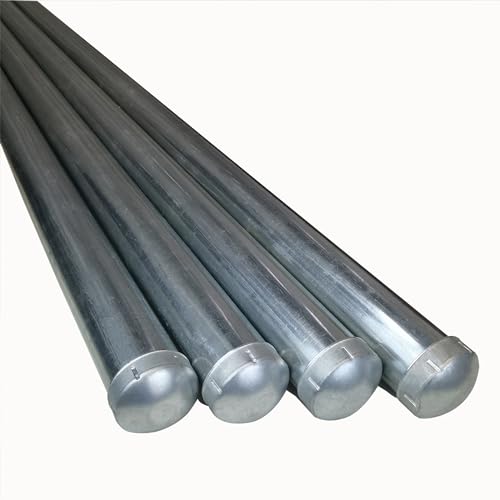
✔ Heavy-Duty 2.0mm Thick Steel Construction – Made with 60mm (2-3/8") outer diameter steel tubing and 2.0mm thick wall for superior strength and stability. Ideal for chain link fences, garden barriers, farm enclosures, driveway bollards, and construction site fencing, standing strong in wind, snow, and heavy use.

The fence post clamp fixes the wooden fence securely to the steel fence post
Comparing Fence Post Durability and Maintenance Needs
Galvanized steel posts typically last between 20 and 50 years with light maintenance. To keep them in good condition, you should inspect them twice a year, cleaning off dirt and spotting any scratches or chips. Repair small damages promptly by sanding and applying touch-up paint or zinc spray to prevent rust from forming. If pitting or corrosion exceeds 20% of the wall thickness, these posts should be replaced to maintain strength and safety. Their durability makes them a solid choice for long-term fencing, but they do require regular inspections and some minor upkeep to prevent deterioration. For a more hands-on approach, consider building your own plucker using galvanized steel components to further reduce long-term costs. A well-designed chicken run structure can benefit from the same galvanized steel posts for reliable, long-lasting support. This type of post also pairs well with engaging chicken toys that are designed to withstand outdoor wear and tear alongside the fence.

HEAVY‑DURABLE POWDER‑COATED STEEL CONSTRUCTION Built with thick heavy‑duty steel and black powder‑coated finish, anti‑rust and weather‑resistant for long‑term outdoor use. This fence post repair anchor stake provides strong holding power to stabilize wobbly, rotted or broken wood fence posts, no bending or deforming under harsh yard weather.

Sturdy & Durable Fence Post: Made from 2 mm (0.08") thick Q235 carbon steel, this fence post offers high strength and rigidity. The U-shaped channel design improves bending resistance, while the powder-coated finish provides UV protection and corrosion resistance, ensuring durability in all weather conditions.

STURDY FENCE POST - Made of heavy duty rugged steel, won't bend or dent. The surface is coated with anti-rust paint, won't rust, withstand any weather
Which Metal Fence Post Shape Is Right for Your Project?
Round posts are ideal for chain link, roll-top, and 3D security fences, especially in commercial or residential perimeter setups. Their curved shape provides strength and flexibility, making installation straightforward and ensuring durability against weather and impact. Because they fit well with these fence types, round posts are versatile and widely used where security and longevity are priorities. The smooth surfaces also help reduce corrosion, extending the life of your fencing project.