
A raccoon does not need a door. It needs a gap.
Build the run before you buy the birds.
Yard Flock is a gear guide for small backyard flocks. Six hens, one weekend, a run that actually holds. We read the manufacturer spec sheets, the published poultry and extension research, and thousands of verified owner reviews. Then we tell you what the numbers mean in plain words.
Here is the honest part. We do not test products in a coop of our own, and we will never pretend we do. What we do is read carefully, compare closely, and show our work. You get the mesh size, the wire gauge, and the reason it matters, before you spend a dollar.
The perimeter
Half inch mesh. 19 gauge. Galvanized after weld.
Chicken wire keeps chickens in. It does not keep raccoons out. A raccoon can reach through a one inch opening and pull.
The coop
4 square feet inside. 10 in the run.
Crowding shows up as feather picking long before it shows up as illness. Build for the flock you will have in a year.
Four territories, and a colour for each one
Keepers band their birds so they can tell them apart at a glance. We do the same with our content. Every card on this site carries a small coloured band along its top edge. Once you learn the four colours, you always know where you are.
Cedar
The Coop
Sizing, ventilation, roost bars, nest boxes, bedding and run design. The structure your birds sleep in and the choices that keep it dry.
Coops, runs and DIY builds
Pasture
The Flock
Feed, water, grit, mites, moulting and hatching. Everything that happens to the bird rather than to the building.
Feed, health and flock care
Zinc
The Perimeter
Hardware cloth, netting, electric fencing, latches and tools. The layer between your flock and everything that wants to eat it.
Fencing, wire and tools
Comb
Reviews
Buying guides and head to head comparisons. Every pick names who it suits and, just as important, who should skip it.
Buying guides and comparisons
Current picks, scored on the roost rail
Stars tell you nothing. A four star roll of netting and a four star roll of netting can be twenty years apart in service life. So we use a roost rail instead. Ten notches, one red marker, and a score you can compare across the whole guide.
Each score below belongs to the top pick inside that guide. It is an editorial judgement built from published specs and owner reports, not a lab result. Open the guide and you will see exactly which numbers moved the marker.
Most read guide
Best netting for poultry
Hawks do not test your fence. They come straight down through the open top of the run. Netting is the cheapest fix in poultry keeping and the one most people skip. This guide covers mesh aperture, UV rating, span limits and the anchoring mistake that turns good netting into a trap.
Top pick, overall
8.5
Research based score, 0 to 10
The coop
Best bedding for a chicken coop
Wet bedding is how ammonia builds and how frostbite starts. Moisture handling beats price here, every time.
Top pick
8.0
The coop
Best sand for a chicken coop
Coarse construction sand drains. Fine play sand packs down and creates dust. The grain size is the whole decision.
Top pick
7.5
The flock
Best hygrometer for an incubator
A cheap sensor that reads five points low will drown a whole hatch. Calibration matters more than features.
Top pick
9.0
The coop
Best roost for a chicken coop
Hens need a flat top bar wide enough to cover their toes in winter. A round dowel leaves them exposed.
Top pick
8.5
The flock
Best hemp bedding for hens
Hemp hurd costs more per bag and lasts longer per change. Low dust, high absorbency, small pieces.
Top pick
9.5
The perimeter
Best plucker machine for chicken
Only worth it past a certain bird count. Below that, a scalding pot and two hands still win on cost.
Top pick
7.0
The numbers you need before you buy anything
Four figures do most of the work in backyard poultry. Learn them once and half the shopping decisions make themselves. No product links live in this section on purpose. This is reference, not sales.
0.5 in
Mesh aperture
Half inch hardware cloth is the standard predator barrier. One inch openings let a raccoon reach through.
19 ga
Wire gauge
Lower number means thicker wire. Bargain rolls are often 23 gauge, which bends under a determined animal.
4 sq ft
Coop floor per bird
The common published minimum for a standard sized hen with daytime run access.
10 sq ft
Run space per bird
Below this, bare ground and boredom pecking arrive fast. More is always better outdoors.
Minimum floor space per bird, published backyard guidance
0
10 sq ft
20 sq ft
Bars are drawn on a 0 to 20 square foot scale. Figures reflect commonly published backyard poultry housing guidance, not our own measurements. Treat them as floors, not targets.
Bedding, side by side
Bedding is the first thing most keepers get wrong, and the cheapest thing to get right. The question is never which bag is best. It is which bag suits your climate, your coop floor and how often you actually clean.
Here is the short version. If your coop runs damp, buy for moisture handling. If someone in the house has a chest complaint, buy for low dust. If you clean weekly rather than daily, buy something that composts well in a deep litter. And if a bag smells strongly of pine oil, leave it on the shelf.
| Bedding | Moisture handling | Dust level | Relative cost | Suits |
|---|---|---|---|---|
| Pine shavings | Medium | Medium | Low | General use and deep litter systems |
| Hemp hurd | High | Low | High | Damp climates and dust sensitive households |
| Coarse sand | Drains rather than absorbs | Low if truly coarse | Medium | Dry climates with daily sifting |
| Chopped straw | Low | Medium | Low | Nest box lining and winter insulation |
| Cedar shavings | Medium | High | Low | Not recommended for coops or brooders |
Bird welfare
Aromatic cedar is widely advised against for coops and especially for brooders. The oils that make it smell pleasant to us are the same oils that irritate a chick’s airway in an enclosed space. Cheap is not cheap if it costs you a bird.
New to this? Take it in four steps
Almost everyone builds in the wrong order. They buy chicks in April, then rush a coop together in May, then patch the run in June after something gets in. Reverse it. Build the shelter, choose the floor, seal the perimeter, and only then bring birds home.
1
Size the coop and run
Work out floor space, roost length and ventilation before you cut a single board. Space is the one thing you cannot add later without a rebuild.
2
Choose the bedding
The floor decides how the coop smells, how dry it stays and how often you are out there with a rake in the rain.
3
Seal the perimeter
Wire the walls, skirt the base, cover the top, and fit a latch a raccoon cannot work. Predators find the weakest point, not the average one.
4
Set up feed and water
Feeders that stay dry, water that does not freeze, grit within reach. Get this right and most health problems never start.
Latest from the run
New guides and explainers as they go live. We show the category rather than the date, because a mesh gauge does not expire and a sizing table does not go stale.

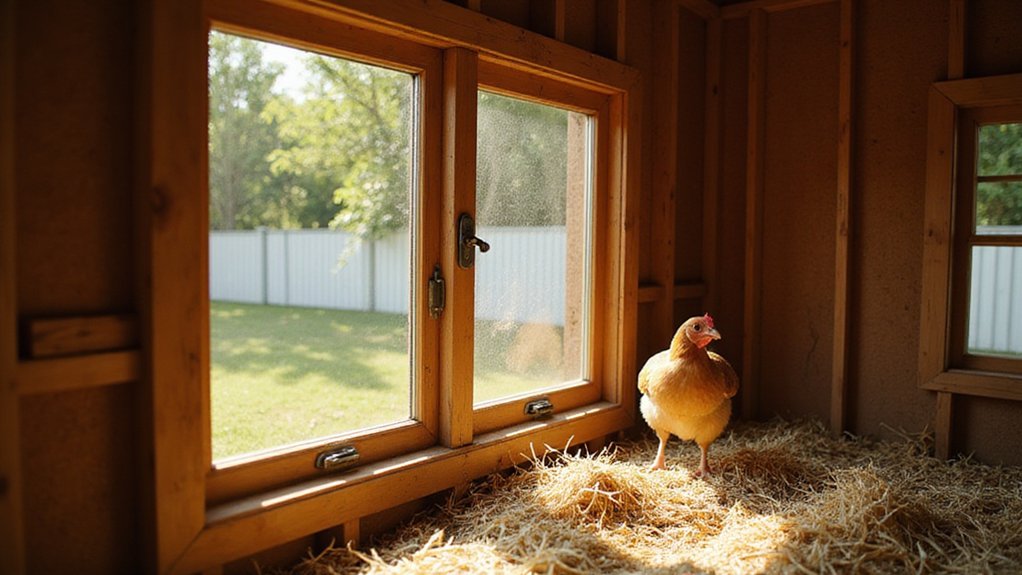
10 Best Windows That Keep Your Chicken Coop Bright and Cozy
Browse ten windows that brighten and cozy up your coop—your hens will thank you.
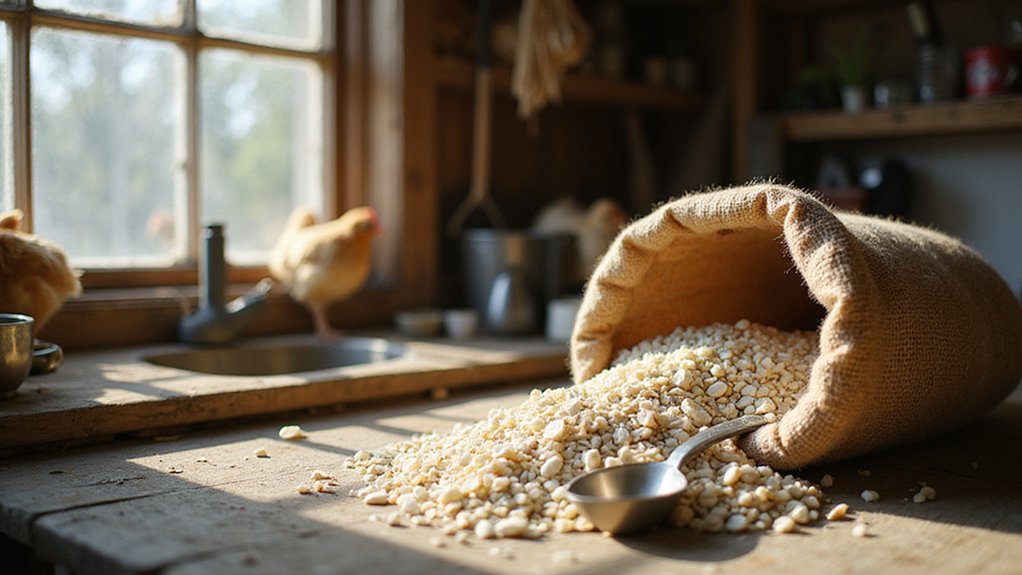
What Does an Oyster Shell Look Like? Here Is the Answer
Noting its rough exterior and pearly interior, oyster shells reveal a story you will want to read.
10 Best Oyster Shells That Keep Your Hens Laying Strong
Discover the 10 best oyster shells that prevent brittle bones while keeping your hens laying strong daily.
Red Heat Lamp Bulb vs Clear: Which One Wins?
Discover the real difference between red and clear heat lamp bulbs beyond just wattage and warmth.
10 Best Egg Incubators for Quail That Deliver Consistent Hatches
Perfectly engineered incubators for quail eggs guarantee steady hatches, but one type outperforms all others.
How to Make Fermented Chicken Feed: Step-by-Step Guide
Want to boost your flock’s health with fermented feed? Follow this simple step-by-step guide.



How we research
Plenty of poultry sites will tell you they spent a season testing netting in their own run. Some of them did. Most did not. We took the simpler road and just told you the truth about our method.
Source one
Manufacturer specifications
Gauge, aperture, coating method, roll dimensions, material and rated load, taken from published spec sheets and product documentation. Where a maker does not publish a figure, we write “not published” rather than guessing.
Source two
Published research
Extension service guidance and veterinary literature on housing, ventilation, stocking density, substrate and flock health. This is where our space and welfare thresholds come from, not from opinion.
Source three
Verified owner reports
Failure patterns across verified purchase reviews, read at scale. One angry review is noise. Forty people reporting the same clip snapping in the second winter is a specification problem.
We do not test products in a coop of our own, and we do not claim to. Every score, table and recommendation on Yard Flock is built from the three sources above. When we get something wrong, we correct it and say what changed.
Yard Flock takes part in affiliate programmes, including the Amazon Associates programme, and may earn a commission on qualifying purchases. This never costs you anything extra and it never decides which product wins a guide.