

Wondering how much diatomaceous earth you should use for different purposes? The right amount depends on whether you’re taking it internally, treating pests indoors, spraying outside, or mixing it into soil.
In this guide, you’ll find clear guidelines to help you apply it safely and effectively for each use. Keep reading to get the specifics for your needs.
Internal Use: How Much Diatomaceous Earth Should You Take?
A typical starting dose is about ½ teaspoon of diatomaceous earth once daily. Mix it into at least 8 ounces of water since it doesn’t dissolve. This amount is recommended to see how your body responds and to minimize potential discomfort. Some people increase the dose gradually, with suggestions ranging up to 1 teaspoon or even 1 tablespoon for maintenance. Protocols often recommend taking it on an empty stomach and drinking extra water to help ease digestion. Because there are no established clinical doses, these recommendations are mainly anecdotal. They are based on consumer guides rather than scientific studies. Always start low, and avoid assuming any single dose is safe or effective for everyone. For quail, a similar concern exists when using diatomaceous earth in quail egg incubators, as it must be applied carefully to avoid respiratory issues for the birds. Monitoring your body’s response and consulting a healthcare professional can help determine what works best for you. For comparison, the dosage for chickens in top chicken coops is often dusted directly onto litter or feathers rather than ingested.

✅ OMRI Listed for Organic Use – Certified by the Organic Materials Review Institute, ensuring compliance with strict organic standards for safe gardening and farming.
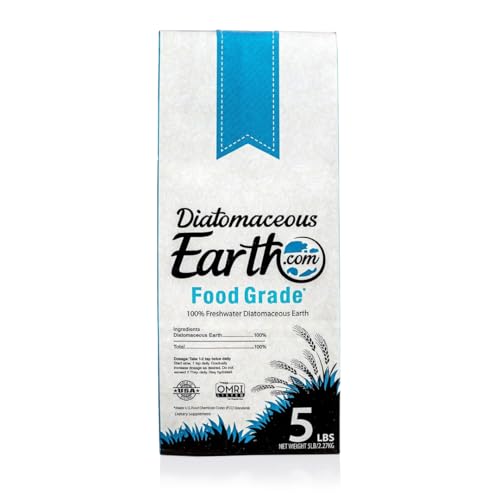
✅ OMRI Listed for Organic Use – Certified by the Organic Materials Review Institute, ensuring compliance with strict organic standards for safe gardening and farming.

PURE: 100% food-grade freshwater diatomaceous earth, nothing else. No anti-caking agents, fillers or additives.
How to Safely Increase Your Internal Dose From Starter to Maintenance Level
When increasing your diatomaceous earth intake from a starter to a maintenance level, it’s safest to do so gradually. Begin with about 1 teaspoon daily and observe how your body responds before making any adjustments. To minimize digestive discomfort, split your total daily dose into smaller servings spread throughout the day. Drinking plenty of water is essential, as the dry powder can cause throat irritation or constipation if you don’t stay well-hydrated. For context, just as fence posts need to be placed at the proper depth to ensure stability, your dosage must be gradually increased to avoid digestive issues. Many keepers wonder about the overall safety of adding this powder to their regimen, but food-grade diatomaceous earth is generally recognized as safe for internal use when handled correctly. For a similar approach to gradual heating, radiant heat panels for chicken coops provide a consistent and safe temperature increase for your birds.
Key safety considerations include stopping immediately if you experience abdominal pain, nausea, or difficulty swallowing. Avoid using diatomaceous earth during pregnancy or breastfeeding because safety data is limited. Children should not take it, as there’s no established safe dose for them. Increase your intake gradually over several weeks, keeping in mind that maintenance routines are not standardized. Consistency with your chosen product and proper hydration matter more than aiming for a specific dose. Always choose food-grade diatomaceous earth and take care to avoid inhaling the dust during handling.

100% Chemical-Free: Made from 8oz of food-grade freshwater diatomaceous earth with no additives or fillers. Safe for use around children, pets and farm animals when used as directed.

100% CHEMICAL-FREE: Made from 2lbs of food-grade freshwater diatomaceous earth with no additives or fillers. Safe for use around children and pets when used as directed.
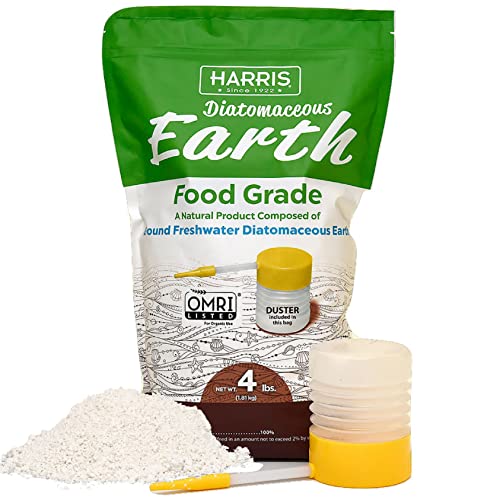
Natural Product - Composed of 4lbs of 100% ground freshwater diatomaceous earth with absolutely no additives or fillers.
Indoor Pest Control: How Much Diatomaceous Earth to Dust Per Area
Use a light dusting of diatomaceous earth—about 1 to 2 grams per square foot—targeting cracks, crevices, behind appliances, and along baseboards. This thin layer creates an abrasive barrier that pests cannot avoid. Focus on areas where pests travel or hide, such as ant trails, the bases of refrigerators, and plumbing penetrations. Keep the dust dry, and reapply once weekly if it becomes disturbed or is vacuumed away. To prevent messes and over-application, use a duster that’s about half full, ensuring a gentle, even coating without excess dust drifting into open floors or onto food surfaces. For best results, always wear a dust mask to avoid inhaling the fine silica particles during application. This same principle of a fine, dry coating applies when dusting a DIY backyard quail coop to control mites and keep birds safe from chemical residues. For quail, you can also mix the diatomaceous earth into their dust bath to enhance mite control while they naturally groom themselves.
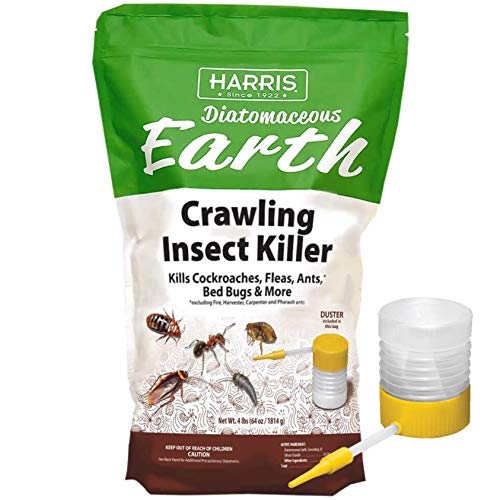
POWERFUL CRAWLING INSECT KILLER : Effectively kills a wide range of crawling insects including ants, bed bugs, cockroaches, fleas, earwigs, silverfish, and spiders. A natural solution for indoor and outdoor pest control without harsh chemicals.

POWERFUL CRAWLING INSECT KILLER : Effectively kills a wide range of crawling insects including ants, bed bugs, cockroaches, fleas, earwigs, silverfish, and spiders. A natural solution for indoor and outdoor pest control without harsh chemicals.

Light Dusting: Spreads diatomaceous earth evenly and efficiently on flat surfaces
Outdoor Garden Pest Control: How Much Per Square Foot
For outdoor garden pest control with diatomaceous earth, you’ll need about 0.16 to 0.32 ounces per square foot. This translates to roughly 1 to 2 pounds per 100 square feet and ensures a light, even dusting. Focus your application on plant bases, garden bed borders, and pest pathways rather than covering the entire yard. A thin film works best because pests are more likely to cross it easily, while over-application wastes product and diminishes its effectiveness.
Apply the DE as a delicate dust in cracks, crevices, shaded edges, and along crawling insect pathways. It’s important to reapply after rain or heavy dew since moisture deactivates diatomaceous earth. During dry weather, reapply every 4 to 7 days to maintain pest control. Always choose food-grade diatomaceous earth and avoid coating flowers or open areas where pollinators might be exposed.

🌿【𝐅𝐎𝐎𝐃 𝐆𝐑𝐀𝐃𝐄 & 𝐅𝐀𝐌𝐈𝐋𝐘 𝐒𝐀𝐅𝐄】Made with 100% pure diatomaceous earth and peppermint oil. Safe for use around children and pets. Helps control common household pests while leaving a fresh, clean scent for indoor use.

Natural and Effective Formula - Crafted from 100% pure diatomaceous earth and peppermint oil, ensuring safe and effective pest control for households

Soil and Plant Mixing: How Much Diatomaceous Earth to Add Per Gallon
For container gardening, add 1 tablespoon of diatomaceous earth per gallon of potting mix. This amount enhances drainage without overwhelming the soil. Many gardeners find that 1 to 2 tablespoons per gallon works well as a soil amendment to improve aeration and prevent compaction. For seed-starting mixes, use a lighter application—about 2 teaspoons per gallon—to avoid over-drying the delicate starter soil. Maintaining the correct cutting edge on your tools helps you achieve a clean, even mix when breaking up clumps of diatomaceous earth, much like sharpening wire cutters ensures precise cuts without crushing stems. For larger setups, selecting a heat lamp bulb with the right wattage helps maintain consistent soil temperatures for seed germination.
To achieve better aeration, you can aim for approximately 10 to 15 percent diatomaceous earth by volume in your mix. This level provides sufficient drainage and aeration for most container plants while keeping soil structure healthy. Dryly incorporate the DE evenly into your soil or potting mix, making sure to break up any clumps so it integrates smoothly.
Keep in mind that coarser diatomaceous earth, similar to perlite, can further boost drainage. When preparing small batches, stick to tablespoon measurements to maintain accuracy, and be cautious not to confuse these ratios with applications for spraying or dusting plants. For larger batches, you can apply the same cost-saving tips from building a DIY feed bin to source diatomaceous earth in bulk for less.

✅ OMRI Listed for Organic Use – Certified by the Organic Materials Review Institute, ensuring compliance with strict organic standards for safe gardening and farming.
Soil comes in an 8 qt. bag, includes Pro-Moisture Hydrate, is OMRI listed, MycoApply certified and perfectly safe for both pets and people

Diatomaceous Earth Safety: Maximum Limits for All Use Cases
For ingestion, limit your intake to food-grade diatomaceous earth (DE), with no more than 2% of it in your food. Avoid contamination by ensuring you do not use industrial or filter-grade DE, which contains higher levels of crystalline silica and poses a greater lung risk. When using DE for pest control, apply a very thin layer—just enough to cover cracks and crevices—without spreading it on open or exposed surfaces. Many pet keepers also find diatomaceous earth pet safe for external use when applied sparingly. For cosmetic applications, adhere strictly to the recommended usage limits and reapply only when the product’s effectiveness diminishes. Never allow dry powder to become airborne near your face or pets, as inhaling even a small amount can be hazardous. For removing heavy debris like concrete-encased fence posts, consider using a high-leverage post puller to minimize physical strain. For a more convenient application, you can mix the DE into a dust bath for your chickens to help control external parasites.