

You might wonder if it’s safe to feed your ducks layer feed regularly. While it’s designed for laying hens, it contains a high amount of calcium that can harm ducks if given in excess.
Only adult laying ducks can handle it temporarily once they start laying, but most ducks need a different balance.
Keep reading to learn about safe feeding practices.
Can Ducks Eat Layer Feed? The Short Answer
Ducks can technically eat layer feed, but it’s not generally recommended as their regular diet. Layer feed’s high calcium content is designed to support egg production in hens that are actively laying. Using it for ducklings, drakes, or non-laying adult ducks can cause health issues like kidney damage or urinary stones due to excessive calcium intake. For adult ducks that are laying eggs, layer feed might serve as a temporary supplement, but a complete waterfowl or waterfowl-specific layer ration is the better choice. Always consider your flock’s specific needs and avoid relying on layer feed as a universal diet, as its nutrient profile is tailored only for actively laying hens. Use layer feed cautiously and only when no better alternatives are available. Unlike chickens, ducks require a different calcium source, such as crushed oyster shell, to support eggshell strength without overloading their system. For optimal results, selecting the best heat lamp bulb ensures proper warmth for your ducks during brooding or cold weather. A brooder plate offers a safer and more durable alternative to heat lamps for young ducklings.
When Can Adult Laying Ducks Safely Eat Layer Feed?
You can safely switch adult laying ducks to layer feed once they start laying eggs, which typically occurs around 18 to 22 weeks of age. However, the exact timing depends more on your flock’s individual development than on a strict calendar. Genetic factors influence when your ducks reach sexual maturity; some modern breeds mature earlier than others, so observe their behavior and readiness rather than relying solely on age. Feather coloration does not indicate reproductive status and should not influence your decision to change feed. Just as you would carefully select top chicken toys for a coop to keep hens engaged, consider your ducks’ specific nutritional needs during the laying period. When evaluating housing for your flock, look for quality and value in a coop with run to ensure safe and comfortable shelter. Layer feed is formulated to meet the higher calcium requirements of laying birds, which supports strong eggshells.
Once your ducks begin laying, layer feed should be their main diet. It provides the necessary 3.5 to 4 percent calcium to support strong eggshell formation and maintain consistent egg quality. Always ensure fresh water is available and consider providing free-choice oyster shells so your ducks can regulate their calcium intake as needed. Continue feeding layer feed during their laying period until they stop producing eggs regularly.
Why Should Ducklings and Non-Laying Ducks Avoid Layer Feed?
Layer feed is formulated specifically for adult laying hens and contains high levels of calcium and protein. Feeding it to ducklings and non-laying ducks is harmful because it does not meet their nutritional needs during growth and maintenance phases. Ducklings require a starter ration with higher protein levels, typically around 20-22%, and increased niacin for proper skeletal development. Layer feed, which is lower in these nutrients, can lead to leg deformities, poor growth rates, and skeletal issues in young ducks.
Non-laying ducks, which are not producing eggs, benefit from grower or maintenance feeds that balance their lower calcium requirements and promote healthy development without overburdening their kidneys. Providing layer feed to these ducks can strain their renal systems and offers no nutritional advantage. When supplementing duck diets with calcium, you can follow How to Feed Oyster Shells to Chickens Safely to provide a separate source of grit without overloading their feed.
Ensuring your ducks receive the right diet at each stage of life supports their overall health, growth, and reproductive success. Using age-appropriate feed avoids developmental problems and helps prevent long-term health issues linked to improper nutrition.
The Calcium Problem: Why Layer Feed Has Too Much Calcium for Most Ducks
Layer feed’s calcium content—typically 3.5% to 6%—is far higher than what most ducks need. Non-laying ducks only require about 1.2%, and even laying ducks need just 2.75% to 3.0%. This excess calcium can cause health problems because duck-specific calcium needs are much lower. Layer feed formulated for chickens is designed to support eggshell production, not the health of ducks at various life stages. Feeding this high-calcium feed to non-laying ducks or young growing ducks forces their kidneys to work overtime to process and excrete the surplus mineral. Over time, this organ strain can lead to kidney damage. Similar to pulling metal fence posts efficiently, choosing the right tool for the job prevents wasted effort and damage. Building your own DIY Feed Bin allows you to store different feed types separately and control costs. Using diatomaceous earth for mites on chickens is a specific pest control method that should not be confused with dietary calcium management for ducks. To prevent this, you should not rely on layer feed as a universal diet. Instead, provide oyster shell only to laying ducks, allowing each bird to regulate its own calcium intake. This approach helps avoid chronic calcium overload, reducing the risk of health issues while still supporting egg production when needed.

BLEND OF SOURCES OF CALCIUM : Chick’N Calcium from the Chick’N Swell product line is made from a blend of sources of calcium: calcium chloride and calcium propionate to provide essential calcium for all laying poultry including chickens, ducks, and quails; from backyard flock to commercial farms, our product is the perfect addition to your chicken water.

Optimal Health and Egg Production - Enriched with 16% protein from organic grains, this feed provides a balanced and complete diet for laying chickens and ducks, promoting growth and nutritious, supports strong eggshells

100% NATURAL LIMESTONE CALCIUM: Made from 100% natural limestone calcium carbonate, our grit for chickens provides a practical calcium source for chickens, ducks and birds. A natural alternative to oyster shell, they are suitable for backyard poultry, aviaries and bird-keeping setups.
Duck-Specific Feed: What to Look for in Protein, Niacin, and Calcium
Duckling feed should contain about 20% to 22% crude protein, with niacin levels between 55 and 60 mg per kilogram, and around 1% calcium. These nutrient ranges are crucial for proper growth and development at this stage. Check the nutrient analysis label, especially the guaranteed analysis panel, to ensure the feed meets these specifications. Duck-specific feed often includes added niacin, which is essential because without it, ducklings are at risk of weak legs and poor development. Always select feed labeled for waterfowl or ducks rather than general poultry, and adjust the protein and calcium levels according to your duck’s age and specific needs. For duck egg production, using a dedicated incubator like a top quail egg incubator ensures proper temperature and humidity control for healthy hatch rates.

Waterfowl Feed pellets float in water- pellets will float for over 1 hour
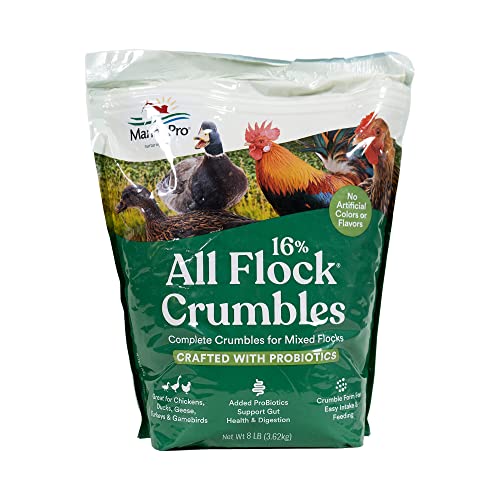
COMPLETE ALL FLOCK FEED FOR MIXED BACKYARD FLOCKS: Versatile poultry feed & all flock feed designed to support chickens, ducks, turkeys, geese, & more; a balanced bird food that simplifies feeding a diverse species in your backyard or homestead

Waterfowl Feed pellets float in water- pellets will float for over 1 hour
Better Daily Options: Choosing a Duck-Specific Feed Over Layer Feed
Crumbles or pellets are your best option because they reduce selective eating, ensuring your ducks receive consistent nutrients. Duck-specific feeds already contain the right balance of minerals like niacin, so you won’t need to add extra supplements. For growing ducklings or non-laying adults, use starter or grower feeds that match their exact developmental stage, avoiding the excess calcium found in layer feed. This tailored approach keeps your ducks’ diet simple, accurate, and aligned with their breed and purpose. Similarly, when incubating eggs, selecting the right equipment, such as a forced air incubator, can ensure consistent temperature and humidity for successful hatching.

COMPLETE STARTER FEED FOR CHICKS: Specifically formulated for chicks from hatching to 16 weeks, this non-medicated chick starter feed delivers balanced nutrition and essential nutrients to support strong, healthy early growth and development.

Unique and complete formula - Balanced formula with all the specific nutrients ducklings need to grow and adult ducks need to maintain proper health

MEDICATED CHICK STARTER FEED: This complete chicken feed is made with added Amprolium to aid in the prevention of coccidiosis, and contains 18% protein for weight gain, our chicken food is essential for your young birds.
How to Safely Mix Layer Feed With a Balanced Duck Diet
Layer feed typically provides 16-17% protein, which is suitable for laying hens but can be too high for ducks or young growers. When mixing feeds, ensure your overall ration contains at least 13-15% protein to support healthy growth without excess. To address niacin needs, supplement your mixed feed with brewer’s yeast, since standard chicken-layer feed often lacks sufficient niacin for ducks. Gradually introduce the new feed to avoid digestive upset, always provide fresh water, and never rely solely on layer feed for a mixed flock, as it may not meet the nutritional needs of all birds. For durability, consider setting posts in concrete as you would for a long-lasting fence structure. Ducks also benefit from having a sturdy coop built with weather-resistant materials to protect them from predators and damp conditions. To further reduce costs, you can build your own feeder using recycled containers to save money on equipment.

{Healthy Flock} Proper nutrition and a well-balanced microbiome can help your poultry defend against dangerous pathogens. Brewer's Yeast with Probiotics, Prebiotics and Niacin can help achieve exceptional health in your flock

BREWER'S YEAST WITH NIACIN FOR DUCKS – Nutritional feed supplement made with brewer's yeast and niacin. A convenient way to add supplemental nutrients to the regular diet of ducklings and adult ducks.

Help your chickens, ducks, and other poultry grow healthy bones with Pampered Chicken Mama’s brewer’s yeast mixed with dried garlic and premium oregano.
Short-Term Fix or Long-Term Problem? The Risks of Relying on Layer Feed
Relying on layer feed as a long-term diet for ducks poses significant nutritional risks. While it might seem convenient in the short term, extended use can lead to health problems. Layer feed’s high calcium content strains the kidneys of drakes and non-laying ducks, increasing the risk of irreversible kidney damage. Ducklings fed solely on layer feed may develop leg weakness and skeletal issues due to niacin deficiency. Even mature laying ducks suffer because the calcium-to-protein ratio in layer feed is formulated for chickens, not ducks, which can harm egg quality. Genetics also matter—domestic breeds often have different nutritional needs than wild or meat-focused duck varieties. Relying exclusively on layer feed limits dietary variety, causing gradual nutrient gaps. To mitigate deficiencies, supplement with niacin-rich foods seasonally—such as legumes, greens, or specialized supplements. While using layer feed temporarily is acceptable, prolonged dependence raises the chance of calcium overload, kidney stress, and reduced overall performance. Treat layer feed as an emergency option, not a stable, long-term diet. For a more suitable long-term solution, consider using roll-away nesting boxes to manage egg collection, which can help reduce the temptation to rely on shortcuts that compromise nutrition. Understanding how a plucker operates can similarly help backyard keepers avoid relying on mechanical shortcuts that risk long-term animal welfare.
3 Common Feeding Mistakes That Harm Duck Health (Mold, Toxins, Nutrient Gaps)
Mold, toxins, and nutrient gaps are three major feeding mistakes that can severely harm your duck’s health. Moldy feed is particularly dangerous—damp stored grain quickly heats up and produces aflatoxins, which your ducks cannot tolerate. Even at levels as low as 30 parts per billion, aflatoxins can damage their liver, kidneys, and stunt growth. Be sure to discard any moldy feed immediately to prevent health issues. For ducks kept outdoors, ensuring a dry winter coop is critical to prevent feed from becoming damp and moldy. Similarly, diatomaceous earth can be used to control parasites that threaten your flock’s overall health.
Toxin risks are heightened by contamination in ingredients like corn and oilseed meals. Ducks are more sensitive to these toxins than other poultry. To reduce toxin exposure, incorporate binders such as zeolite clays into contaminated feed. Never add toxic substances like coccidiostats or urea, as these can be deadly. Chemical contamination from pesticides or environmental pollutants is another serious hazard, so sourcing clean feed is essential.
Nutrient gaps lead to visible health problems. For example, chicken diets often lack niacin, which causes leg bowing and weakness in ducks. Your ducks need balanced diets with around 20% protein and sufficient calcium, phosphorus, and manganese. Regularly monitor these nutrients and provide supplements when needed to prevent deficiencies that hinder growth and performance.

Duck Rice Mold Rice Duck Mold DIY Sushi Molds Animal Rice Tool Rice Molds for Kids Rice Shaper Mold Rice Scoop

Premium Food-Grade Silicone – Crafted from high-quality, durable, and reusable silicone that is safe for direct food contact . Heat-resistant from -40°F to 446°F, oven, microwave, and freezer safe

GLOSSY SURFACE:Our resin molds are made of high quality silicone, soft, flexible, easy to demold. With glossy interior surface, the finished works are very shiny and smooth like mirror, no need to polish.