

If you’re wondering whether diatomaceous earth is safe to handle, the answer depends on choosing the right type.
Food-grade, uncalcined DE is generally safe, while the pool-grade version can be harmful due to its high crystalline silica content.
The main risk isn’t touching it but inhaling its fine dust, which can harm your lungs over time.
Keep reading to learn how to handle it properly and stay safe.
What Is Diatomaceous Earth and Why Does Safety Vary?
Diatomaceous earth safety depends entirely on how it has been processed. Because it is not a single substance but a mineral powder made from fossilized remains of microscopic algae, its form determines the level of risk. When uncalcined, it mainly contains amorphous silica, which is generally less hazardous. However, calcined forms undergo heating that transforms the silica into crystalline structures, increasing the risk of respiratory issues if inhaled. The crystalline silica in calcined diatomaceous earth can cause lung irritation and long-term health problems such as silicosis. For safe handling, consider using a coop with run to keep birds away from dust during application. For backyard flocks, food-grade diatomaceous earth is commonly used to control external parasites like mites by desiccating their exoskeletons. Because its safety concerns are tied to chemical stability rather than spoilage, diatomaceous earth does not expire and can be stored indefinitely if kept dry.
Your safety also hinges on proper handling and exposure levels. Breathing in dust from the calcined type should be avoided, whereas uncalcined forms are safer for general applications like filtration and pest control. Additionally, the environmental footprint varies; mining impacts habitats, although natural pest-control uses reduce chemical runoff. Always verify which type you are handling to ensure safe use.

✅ OMRI Listed for Organic Use – Certified by the Organic Materials Review Institute, ensuring compliance with strict organic standards for safe gardening and farming.
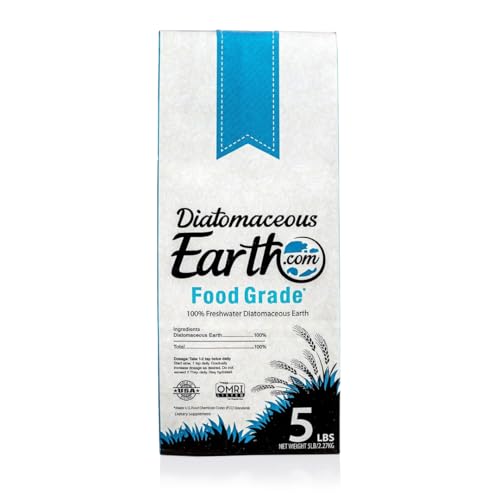
✅ OMRI Listed for Organic Use – Certified by the Organic Materials Review Institute, ensuring compliance with strict organic standards for safe gardening and farming.
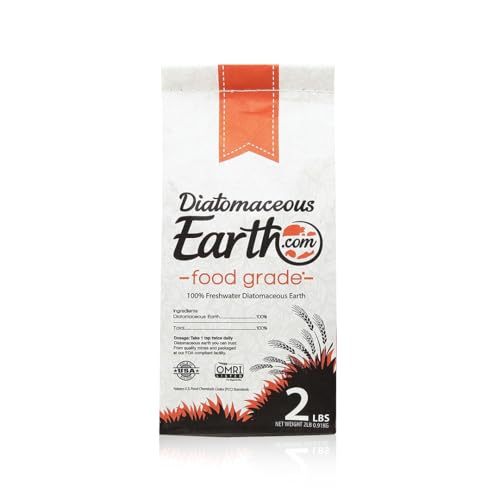
✅ OMRI Listed for Organic Use – Certified by the Organic Materials Review Institute, ensuring compliance with strict organic standards for safe gardening and farming.
Food-Grade vs. Pool-Grade: The Most Important Safety Distinction
The safest choice is always food-grade diatomaceous earth for household use. Food-grade DE remains uncalcined, which keeps most of its silicon as amorphous silica with less than 1% crystalline silica. This makes it suitable for food processing and pest control. Pool-grade DE, on the other hand, is heat-treated, transforming its silicon content into crystalline silica such as cristobalite. Crystalline silica poses serious health risks if inhaled or ingested. For those hatching quail, top quail egg incubators often recommend using food-grade DE for safe pest management around the incubator.
Always check the product label carefully. Look specifically for the words “food-grade” versus “pool” or “filter-aid.” Using pool-grade DE near food, pets, or household spaces is a hazardous mistake. It is strictly meant for pool filters and should never be used in or around areas where safety and health are a concern. This simple but crucial distinction ensures you’re using the right product and avoiding dangerous health hazards.

100% Chemical-Free: Made from 8oz of food-grade freshwater diatomaceous earth with no additives or fillers. Safe for use around children, pets and farm animals when used as directed.

PURE: 100% food-grade freshwater diatomaceous earth, nothing else. No anti-caking agents, fillers or additives.

100% CHEMICAL-FREE: Made from 2lbs of food-grade freshwater diatomaceous earth with no additives or fillers. Safe for use around children and pets when used as directed.
Why Breathing In Diatomaceous Earth Is the Real Danger
Breathing in diatomaceous earth dust is significantly more dangerous than touching it. The fine particles can irritate your airways almost immediately, leading to coughing, shortness of breath, and lung congestion. These tiny particles are small enough to travel deep into your respiratory tract, especially in environments with high exposure, like industrial settings. The processed form of diatomaceous earth often contains crystalline silica, which is the primary risk factor. Long-term inhalation can cause crystalline silica to accumulate in your lung tissue, resulting in silicosis, a permanent and incurable scarring disease. Chronic bronchitis and an increased risk of lung cancer are also possible after sustained exposure. Therefore, preventing airborne dust is crucial, as inhalation routes pose the greatest threat to your lung health. To protect yourself, you must avoid creating dust clouds and wear appropriate respiratory protection when handling diatomaceous earth.
How to Use Diatomaceous Earth Safely in Your Home
To use diatomaceous earth safely in your home, start by selecting only food-grade DE. Pool-grade or calcined types are not suitable for indoor use and pose higher respiratory risks. Always wear a dust mask, gloves, and ensure proper ventilation by opening windows. Apply DE only to targeted areas like cracks or behind furniture to minimize dust spread. When doing DIY projects or home decoration, use a light dusting—avoid coating high-traffic surfaces or large areas. For those who also keep chickens, you can apply DE in your coop by comparing top chicken coops that are designed for easy cleaning and dust control. Keep children and pets out of the area until the dust settles completely. After application, clean the residue carefully using a vacuum or a damp cloth, especially on bedding, floors, and upholstery. Watch for signs of irritation such as coughing or skin redness; if these occur, remove yourself from the area and wash affected skin immediately. Even though DE is labeled non-toxic, controlling your exposure is essential for safe use in your home.

✅ OMRI Listed for Organic Use – Certified by the Organic Materials Review Institute, ensuring compliance with strict organic standards for safe gardening and farming.
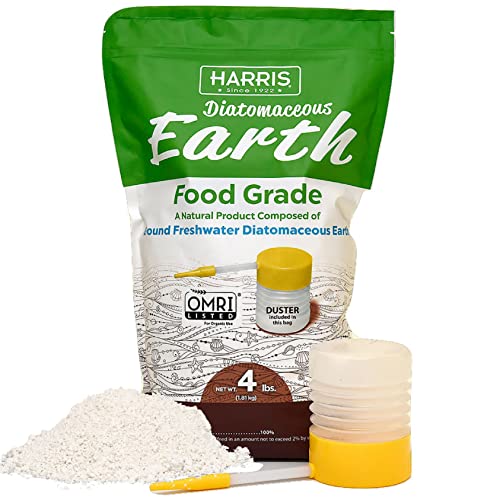
Natural Product - Composed of 4lbs of 100% ground freshwater diatomaceous earth with absolutely no additives or fillers.

100% Chemical-Free: Made from 5lbs of food-grade freshwater diatomaceous earth with no additives or fillers. Safe for use around children and pets when used as directed.
Common Mistakes That Make Diatomaceous Earth Unsafe
Using food-grade diatomaceous earth safely requires attention to specific practices. One common mistake is neglecting label accuracy. You might grab any bag labeled “natural” without verifying it’s food-grade, which is dangerous because filter-grade DE contains crystalline silica—an occupational respiratory hazard. Always check the label carefully to ensure it states “food grade” before use.
Another critical point is dust control. Applying DE indoors in thick layers without proper protection turns the powder into an airborne risk. Even with food-grade DE, inhaling fine particles can cause throat and lung irritation. To prevent this, always wear an N95 respirator and apply only thin, targeted layers in well-ventilated areas. Avoid overapplication or leaving children nearby while dust settles, since these actions increase inhalation risk. If you find yourself tasting dust or experiencing breathlessness, you’ve already inhaled too much. Prioritize verified food-grade DE and strict dust control measures to keep yourself safe. For a flock of 12 hens, using DE in their coop requires comparing top chicken coop options that minimize dust accumulation and allow for easy cleaning.
Is Diatomaceous Earth Safe for Pets?
Yes, food-grade diatomaceous earth is generally safe for pets when used properly. However, pool-grade DE is toxic and should never come into contact with your animals. Pool-grade contains crystalline silica, which can cause serious respiratory issues if inhaled. Always look for the food-grade label when purchasing DE—that’s your key indicator of safety. This is because amorphous silica in food-grade DE is non-toxic, unlike the hazardous crystalline form found in pool-grade products.
For pest control, food-grade DE can be effective against fleas and ticks when dusted lightly in areas your pets frequent. It’s crucial to avoid creating dust clouds, as inhalation poses the biggest risk to your pets. Never apply it directly to their bedding or fur, since it can dry out their skin and cause irritation. While small amounts accidentally ingested are usually harmless, regular or heavy exposure can be problematic. For chickens, oyster shell grit is a safer alternative for providing calcium without the respiratory risks of DE.
Choose products that are certified organic, as this ensures a purer, safer grade. If you have puppies, kittens, or pets with existing breathing issues, consult your veterinarian before using DE. Proper grade selection and correct application are essential to keep your pets safe.
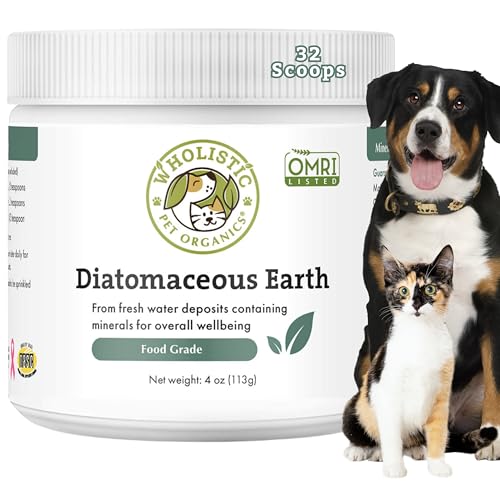
ONE SIMPLE INGREDIENT: Made with 100% organic, food-grade diatomaceous earth powder that is OMRI Listed, it's naturally composed of amorphous silica with naturally occurring trace minerals including calcium and magnesium.

100% Chemical-Free: Made from 10lbs of food-grade freshwater diatomaceous earth with no additives or fillers. Safe for use around children and pets when used as directed.

100% Pure Freshwater Diatomaceous Earth: Composed of 2lbs of 100% ground freshwater diatomaceous earth with absolutely no additives or fillers, ensuring a natural and safe product for your animals.
How to Treat Skin and Eye Irritation From Diatomaceous Earth
If you experience skin or eye irritation from diatomaceous earth, prompt first aid is essential. For skin contact, remove any contaminated clothing immediately. Rinse the affected area with lukewarm water and mild soap for at least 15 minutes. Pat dry gently, avoiding rubbing, to prevent further irritation. Applying a fragrance-free moisturizer can help soothe dryness and discomfort.
For eye contact, flush the eyes continuously with water for 15 to 20 minutes. If contact lenses are in place, remove them after about five minutes of flushing. Seek medical attention if redness, pain, or vision changes persist after rinsing. Do not ignore ongoing symptoms, as prolonged exposure can lead to more serious irritation.
Lab testing confirms that diatomaceous earth can irritate sensitive skin and eyes. Always wash contaminated clothing before reuse to prevent re-exposure. In cases of severe reactions like swelling, difficulty breathing, or intense pain, seek emergency medical help immediately. If you’re unsure about the severity of the irritation, call a poison center for guidance. Proper first aid guarantees safe use and minimizes health risks. When selecting housing for quail, remember that a well-ventilated coop design reduces dust accumulation and potential irritants in the environment.
What to Do If You Accidentally Inhale the Dust
If you accidentally breathe in diatomaceous earth dust, act quickly to minimize health risks. Move to fresh air without delay. Leave the dusty area and avoid stirring up more dust. Open windows or step outside to ventilate the space. Do not sweep or disturb the powder, as this increases airborne dust levels.
Once in fresh air, blow your nose to clear your nasal passages. Rinse your mouth with water and sip small amounts to soothe a scratchy throat. You might notice coughing, sneezing, or throat irritation—these are common reactions after brief exposure. Keep an eye out for signs of more serious issues such as difficulty breathing, wheezing, or chest tightness.
If your symptoms worsen, seek emergency assistance right away. For severe trouble breathing, blue lips, or fainting, call emergency services immediately. People with asthma or lung conditions should take extra precautions, such as using personal protective equipment and working in well-ventilated areas. If you experience persistent difficulty breathing after moving to fresh air, contact poison control or your healthcare provider for further advice.
How to Choose the Right Grade and Read Labels Correctly
Always check the label for the phrase “food grade” or “GRAS” when selecting diatomaceous earth (DE). Opt for food-grade DE for household, pet, or pest control applications because it has a lower crystalline silica content, typically under 1%. Avoid pool or filter-grade products, which can contain up to 70% crystalline silica and pose significant health risks. Labels mentioning pools or filters indicate a different hazard profile and are not suitable for internal use or household applications. Verify the crystalline silica percentage and look for clear warnings about pesticide use if targeting pests. Reading labels carefully and choosing the correct grade ensures you’re using DE safely and effectively in your home. For those using DE in chicken coops, hemp bedding provides a safer alternative that avoids respiratory risks from dust. When choosing bedding for your flock, selecting a top layer feed can also support overall health and egg production.

POWERFUL CRAWLING INSECT KILLER : Effectively kills a wide range of crawling insects including ants, bed bugs, cockroaches, fleas, earwigs, silverfish, and spiders. A natural...
Is Diatomaceous Earth Safe? The Straightforward Answer
Diatomaceous earth is generally safe when used correctly, but the safety depends heavily on the grade and handling. Food-grade diatomaceous earth is usually tolerated in small amounts if swallowed, but there is no established safe dose, and it should not be used for detoxification claims, as evidence supporting these uses is weak. The primary hazard is inhalation; even brief exposure to dust can irritate your throat and eyes, and repeated heavy breathing can lead to lung conditions such as silicosis or lung cancer. Skin contact tends to dry out your skin, and eye contact causes stinging sensations. Always use t post clips that are designed for durable fencing applications, as proper gear is essential for safe handling of any material.
You must avoid inhaling any dust particles entirely and should not ingest diatomaceous earth internally. Its chemical interactions with other substances are not well-studied, so do not assume it is completely inert. While using it for pest control or other topical applications can be safer, you still need to wear a mask and gloves to protect yourself. Short-term accidents usually result in irritation, but prolonged or repeated exposure poses serious health risks.