

If you’re wondering how to keep your chickens healthy and happy as they grow, you might have heard about using grit. It’s a small but important part of their diet that helps them digest food more effectively.
When your hens start eating grains, treats, or foraging, offering the right kind of grit can make a noticeable difference.
In this article, you’ll learn exactly what chicken grit is, how it works, and when and how to give it to your flock.
What Is Chicken Grit and Why Do Chickens Need It?
Chickens need grit because they lack teeth and rely on it to mechanically break down their food in the gizzard. Grit consists of small, hard particles like crushed granite or oyster shell. When chickens eat whole grains, seeds, or scraps, the grit helps them grind these materials, effectively replacing chewing—which mammals do naturally. For a complete feeding setup, you can also provide access to clean drinking water using water cups for chickens to support digestion alongside grit. Choosing a high-quality coop with a run can also ensure your flock has a safe and clean environment for feeding and digesting. When installing a fence for the run, you can secure the netting using T post clips for a sturdy and reliable enclosure.
You should offer grit in a separate feeder, giving your flock constant access. Keep the grit in a dry, rodent-proof container to prevent spoilage. Insoluble grit, such as granite, stays in the gizzard to assist with grinding, while soluble grit like oyster shell provides calcium, which is vital for laying hens. Use chick-sized grit for young birds and larger particles for adults to match their size and feeding needs.

ESSENTIAL POULTRY GRIT FOR CHICKENS & GAMEFOWL: Premium grit for chickens made from natural granite grit for chickens, essential for grinding whole grains and improving digestive health for poultry; a must-have to include in your chicken coop accessories

May improve the hardness and durability of egg shells
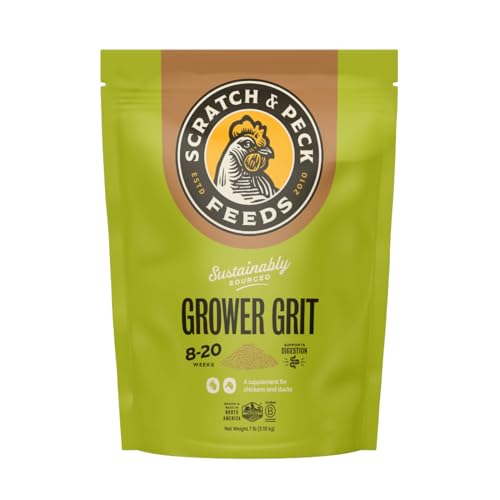
Necessary For Digestion - Made up of insoluble crushed quartzite or granite, grit remains in the bird's gizzard to help with digestion. Grit is an essential part of your bird’s diet and should always be provided.
How Does Grit Help Your Chickens Digest Food?
Grit functions as the mechanical teeth that aid in digestion inside your chickens’ gizzards. When chickens consume food, they swallow grit—small stones or similar particles—which stay in the gizzard. The gizzard’s muscular contractions then crush the feed against the grit, breaking it into smaller pieces. This grinding process increases the surface area of the food, allowing digestive enzymes and acids to work more efficiently. As a result, chickens can extract more nutrients from tough materials like seeds, grass, and insects.
It’s important to provide a steady supply of grit because the stones wear down and exit the digestive system over time. Without enough grit, fibrous or hard-to-digest feed remains partially undigested, reducing nutrient absorption. You can offer crushed oyster shell as a soluble alternative mainly for calcium; however, for mechanical grinding, insoluble grit such as small stones or gravel is essential. Ensuring your flock has sufficient insoluble grit keeps their digestive process performing optimally.
Insoluble vs. Soluble Grit: What’s the Real Difference?
Insoluble grit and soluble grit serve distinct functions in your flock, and each must be provided appropriately. Insoluble grit, made from crushed granite or flint, remains hard and stays in the gizzard to mechanically grind whole grains and seeds. Its role is purely physical; it does not dissolve or provide nutrients, so you only need to replenish it when it wears down or is contaminated. Store insoluble grit in a dry, sealed container to prevent clumping and ensure it stays effective. For optimal flock health, provide a chicken pen with run that keeps both types of grit clean and accessible. This setup mimics the way chicken runs work to naturally wear down grit over time. A DIY heat lamp stand, for example, can be built with simple materials to keep the feeding area dry and well-lit, preventing grit from getting damp.
Soluble grit, commonly crushed oyster shell or limestone, dissolves during digestion to release calcium needed for strong eggshell formation. Unlike insoluble grit, its primary function is nutritional, not mechanical. You should keep soluble grit in a separate, clearly labeled container to prevent cross-contamination. Never substitute one for the other, as each fulfills a different need—insoluble supports digestion mechanically, while soluble supplies vital calcium for eggshells. For laying hens, providing both types ensures proper digestion and shell strength—one grinds feed, the other feeds the shell.

ESSENTIAL GRIT FOR HEALTHY DIGESTION: Manna Pro Chick Grit aids proper digestion in chicks & bantam breeds by helping grind whole grains and poultry feed in the gizzard; our chick grit supports optimal nutrient absorption and overall gut health.

The information below is per-pack only

TWO SIZES TO CHOOSE FROM: Starter Grit for ages 0-8 weeks. Layer & Grower for ages 8+ weeks
When Does Your Flock Actually Need Chicken Grit?
Your flock needs grit as soon as their diet includes treats, grains, scraps, or forage. If they only eat commercial starter feed—finely ground for easy digestion—they don’t require grit. But once you introduce foods that are harder to digest, the gizzard needs additional help breaking them down. Providing grit ensures the gizzard can grind up these items efficiently.
For birds that free-range, natural access to small stones often suffices, as they pick up grit while foraging. Confined birds, especially those on concrete or hard surfaces, cannot gather their own grit and need to be supplemented year-round. Start offering chick grit around 2 to 3 weeks old, coinciding with the first treats. Transition to adult grit around 8 weeks, when their diet expands further. Always store grit in a dry, clean container to keep it effective and prevent contamination. Don’t delay—provide grit as soon as your flock’s diet moves beyond complete feed. For best results, consider pairing grit with a reliable hygrometer to monitor humidity in your incubator, ensuring optimal conditions for hatching.
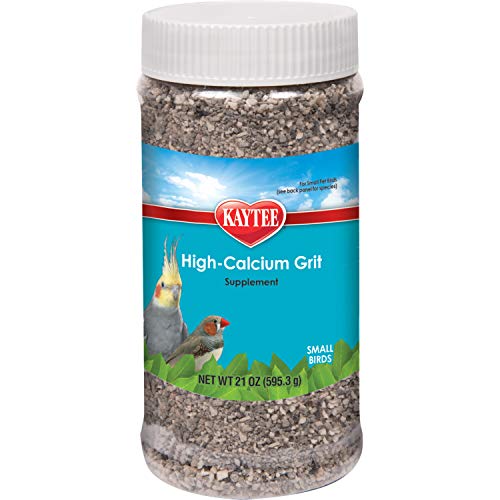
Great for Cockatiels, Parakeets, Canaries & Finches

Packed with Nutrients: This 1.5 lb grit bird food is filled with crucial minerals that help keep all birds healthy. It’s perfect for a variety of birds providing them with what they need to stay strong and lively.

DIGESTION SUPPORT GRIT: It helps support natural digestion with a fine texture that works as effective chicken grit for chickens. Blends smoothly with daily feed to assist food breakdown, making feeding easier for all life stages.
How Much Chicken Grit Should You Offer and How Often?
Offer grit free-choice, so your flock can self-regulate their intake. They will naturally eat only what they need, reducing waste and overconsumption. Continuous access works best, especially when offering whole grains or treats, so top off the grit container whenever it runs low. Some guides recommend replacing grit every one to two weeks to keep it fresh and clean. If you mix grit into the feed, aim for it to make up about 0.5% to 0.75% of the total diet. Adjust the grit particle size based on the age of your birds: start with tiny pieces for chicks, then switch to adult-sized particles as they mature. For mature birds, use the largest particles they will readily consume. To avoid common mistakes like offering insoluble grit instead of soluble limestone for calcium, always check the label. If they start to overeat or ignore certain sizes, switch to a larger or smaller grit size accordingly. Keep separate hoppers for different age groups to ensure each bird gets the right size of grit without waste or confusion. Monitoring feeding behavior can be aided by a brooder thermometer to maintain optimal chick health. A DIY approach can keep costs down while still providing essential grit for your flock.
How Chickens Digest Food Without Grit
Chickens can digest food without grit, but their gizzards work less efficiently. Without grit, coarse feed becomes more difficult to break down because the gizzard relies on physical abrasion to grind food. As a result, larger particles pass through the digestive system, and your chickens absorb fewer nutrients from their feed. This is especially true when feeding whole grains or fibrous material, which require more grinding power. For instance, a teaspoon per bird per week is a common guideline for how much insoluble grit to offer when feeding whole grains. Feeding softer, processed feeds can help chickens digest without grit more effectively because such foods don’t need as much mechanical breakdown. However, when offering coarse rations, digestion slows down, increasing the risk of crop fermentation and related issues. Breed differences also influence tolerance; heavier, more robust breeds may handle the absence of grit better than lighter, more efficient layers. Ultimately, skipping grit reduces feed efficiency and over time can contribute to malnutrition if the diet isn’t appropriately adapted. Choosing a top chicken coop that includes a dedicated grit feeder can simplify daily care and encourage consistent use. For example, placing grit near a durable waterer within a well-designed run prevents the grit from becoming muddy and unusable.