

Wondering which insect protein is better for your flock—black soldier fly larvae or mealworms?
Each has its own perks: BSFL deliver more calcium and grow quickly, while mealworms offer higher protein content and are easier to handle in dry conditions.
Keep reading to find out which one suits your needs best.
Protein and Fat: Which Insect Packs More Nutritional Value?
Mealworms generally offer slightly higher crude protein content, averaging around 47–53%, compared to black soldier fly larvae (BSFL), which range from 38–48%. However, if BSFL are fed a nutrient-rich diet, their protein levels can exceed 50%, narrowing the gap considerably. When it comes to fat content, BSFL typically contain more lipids, often between 30–35%, whereas mealworms usually range from 20–30%. Keep in mind that substrate type and processing methods can influence these percentages, so variations are common. Your choice should align with your nutritional goals: opt for mealworms if you need a higher-protein, moderate-fat ingredient, or choose BSFL for a denser calorie source. Their amino acid profiles also differ, with BSFL protein resembling fishmeal more closely than mealworms. For those interested in a more hands-on approach to feeding, building a DIY chicken feeder can help regulate insect dispensing and reduce waste. For those also hatching quail, the best egg incubator ensures optimal temperature and humidity for successful development. Additionally, choosing the best nesting pads for hens can improve egg cleanliness and reduce breakage in the coop.

【High-Protein & Rich in Calcium】Naturally packed with protein and calcium, our Black Soldier Fly Larvae rich in calcium, it contains at least 85x more calcium than dried mealworms, and with a great source of protein 45%.

HIGH CALCIUM FOR STRONG EGGSHELLS - Dried black soldier fly larvae deliver natural calcium that supports strong eggshells and steady laying - with more calcium than ordinary dried mealworms
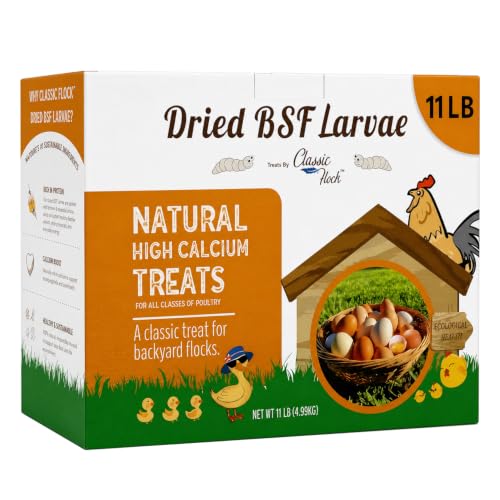
NUTRIENT-RICH POULTRY TREAT: With 34% crude protein (min) and 3.25% calcium (max), these BSF worms add protein and calcium to supplemental feeding for laying hens
Why BSFL Are Calcium Superstars for Animals
Black soldier fly larvae are outstanding sources of calcium for animals because they naturally contain high levels of this mineral. Their calcium-to-phosphorus ratio is typically around 2.5:1, which supports healthy bone development and muscle function. This is in contrast to mealworms, which generally lack significant calcium content. The calcium levels in BSFL can vary widely—from as low as 0.12% to as high as 6.66% dry matter—depending on the substrate they are fed. By providing larvae with calcium-rich substrates, you can significantly increase their mineral density. This natural boost means you often won’t need to add separate calcium supplements to your animal’s diet, simplifying feeding regimens and promoting natural mineral intake. Like BSFL, diatomaceous earth is also valued by backyard chicken keepers for its pest control and drying properties. For optimal animal health, consider that choosing chicken coops with runs can support safe feeding and housing for your poultry. A well-designed chicken coop provides the necessary protection and ventilation for raising healthy poultry.
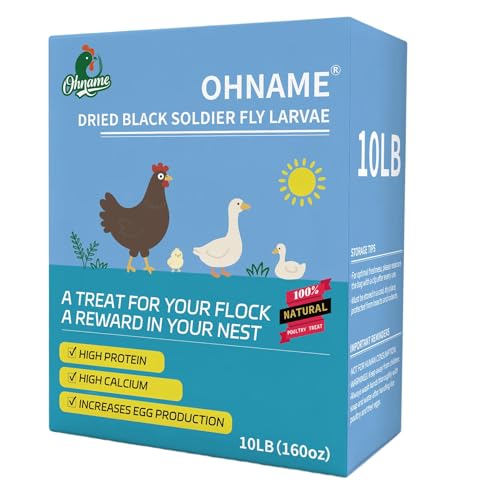
【85 X Calcium Poultry Feed for Strong Eggshells】Our Dried Black Soldier Fly Larvae deliver 85 times more calcium than mealworms, directly boosting eggshell strength for crack resistant eggs. Specially formulated for Laying Hens and Backyard Flocks, it supports bone health in all-stage poultry, ensuring sturdy high-quality eggs you can rely on

Ultra High Calcium & Protein - 60-100X more calcium than mealworms,rich in crude protein,boosts egg production, hardens eggshells and promotes healthy feather growth for laying hens,making them superior snacks for hens and birds.

High Calcium Chicken Grubs: Compared to traditional dried mealworms, our BSFL dry powder insect feed boasts 85x calcium. This high calcium content enhances eggshell strength and promotes bone health in your hens, ensuring they lay sturdy eggs. Perfect for supporting robust egg production and overall poultry well-being.
Feed Conversion and Growth: Which Species Grows Faster?
Black soldier fly larvae (BSFL) grow significantly faster than mealworms, achieving daily biomass gains up to 28% per day. In comparison, mealworms typically reach growth rates around 0.11 per day. This rapid development means you can produce harvestable biomass in less time, increasing system throughput.
BSFL also have a superior feed conversion ratio (FCR), often falling below 1.6 on quality substrates. In contrast, mealworms’ FCR generally ranges from 2.2 to 5.3. A lower FCR indicates more efficient utilization of feed, translating into less feed required per unit of weight gain.
Their habitat preferences further enhance growth efficiency. BSFL thrive on waste streams, quickly converting these substrates into biomass, which reduces feed costs and environmental impact. Mealworms develop more slowly, which extends production cycles and delays harvest.
Regarding reproduction, mealworms lay many eggs over extended periods, while BSFL produce large batches rapidly. This difference influences how quickly you can replenish your stock. For high-volume, fast-turnaround production systems, BSFL’s quick growth and high conversion efficiency provide a clear advantage. Their responsiveness to optimization allows you to maximize harvests in less time. For context, BSFL’s rapid growth contrasts with the slower development of chickens, which require specific run space to maintain healthy growth rates.

High-Calcium Chicken Grubs: Joyprotyn’s BSFL (Black Soldier Fly Larvae) feed offers 85x the calcium of traditional dried mealworms, enhancing eggshell strength and promoting bone health in your hens for sturdy eggs. This high-calcium feed is perfect for robust egg production and overall poultry well-being.

【Premium High-Protein Treats】Spoil your poultry with our premium high-protein treats! Your chickens will be delighted with every delicious bite, ensuring their happiness and health. These protein-packed treats are perfect for poultry, birds, reptiles, hamsters, turtles, fish, and hedgehogs

How Biology Sets BSFL and Mealworms Apart
Although both black soldier fly larvae (BSFL) and mealworms are insects, their biological differences start at the insect order level, leading to significant variations in their form, lifecycle, and performance. BSFL are soft-bodied, grub-like larvae from the Diptera order, whereas mealworms are segmented, harder-shelled larvae from Coleoptera. This distinction influences their preferred habitats: BSFL thrive in moist, protein-rich waste environments, while mealworms favor dry grains and lower humidity conditions.
In terms of physical defenses, mealworms’ tougher exoskeleton gives them better resistance against predators and physical threats. BSFL, on the other hand, rely on rapid growth and a high calcium content to deter predators. Their life cycles also differ: BSFL reach the prepupa stage faster, often within a few weeks, whereas mealworms tend to stay longer as larvae, sometimes several months.
Nutrient storage profiles are distinct as well. BSFL tend to accumulate more calcium and lauric acid, which has antimicrobial properties, making them suitable for specific applications. Mealworms, however, are richer in linoleic and oleic acids, beneficial for their omega-6 and omega-9 fatty acids content. Additionally, BSFL are generally stable across various diets, while mealworms show greater sensitivity to changes in feed quality and composition.
Rearing Differences: Wet Waste for BSFL, Dry Grains for Mealworms
Your rearing setup depends heavily on whether you’re working with wet waste for BSFL or dry grains for mealworms. BSFL thrive in moist, semi-liquid substrates like kitchen scraps or manure, which require maintaining moisture levels around 70–75%. Managing water and drainage becomes essential; poor drainage causes slow decomposition and unpleasant odors. You might need to add absorbent brown materials, such as shredded paper or cardboard, to rebalance moisture in the bins. Conversely, mealworms need dry granular feeds like wheat bran or rapeseed cake. Their substrate should have minimal free water to prevent spoilage and keep the environment stable. The fundamental difference is that BSFL systems rely on wet, decomposable waste, while mealworm setups focus on dry, grain-based feeds. Choosing between them largely depends on the type of waste you have readily available. For those seeking a durable housing solution, top chicken coops can also be adapted to incorporate BSFL bins for efficient waste management. If you are building a dedicated unit, using low cost materials like reclaimed lumber or wire mesh can significantly reduce your overall expenses. Building a DIY feed bin using cost-saving materials like plywood or repurposed plastic drums can provide a sturdy, budget-friendly container for both types of rearing systems.
BSFL vs Mealworms: Which Should You Choose?
BSFL are your best choice if you need a sustainable, versatile option rich in minerals, especially calcium. They contain 5–8% calcium, making them ideal for reptiles, egg-laying birds, and other calcium-dependent animals. In comparison, mealworms provide only 0.1–0.3% calcium, which may not meet their dietary needs. In flock care, wire cutters are called dikes to cut poultry toes and nails, not for cutting calcium-rich feed. On the other hand, mealworms excel in protein content, offering up to 52.63% crude protein. This makes them suitable when a high-protein treat or supplement is your primary goal. Seasonal and genetic variations can cause fluctuations in nutrient profiles in both insects, so adjusting your choice based on current analysis helps. From a sustainability standpoint, BSFL outperform mealworms by reducing waste by approximately 68.5%, whereas mealworms only reuse about 28.1% of waste. Therefore, if environmental impact and waste reduction are priorities, BSFL are more advantageous. For backyard flocks, black soldier fly larvae are more durable and easier to handle than housefly larvae, which tend to crawl away and require more containment. Ultimately, BSFL deliver broader benefits for routine feeding and balancing minerals, while mealworms are better for targeted, protein-rich feedings. Your decision should hinge on whether mineral content or high protein is most important for your animals’ health and your production goals.

High Protein Treats That Supports Feather Regrowth During Molting: Protein ratio for bsf larvae is approximately 41%, which is more than twice that of traditional chicken feed. When your birds are going through molting, adding some extra amount of worms to their feed will boost rapid and healthy feather regrowth

【Premium Quality】100% Non-GMO, additive free and dust free. Black soldier fly is perfect treats for poultry, wild birds, reptiles and small pets.

Up to 45% Protein for Stronger Flocks: Larvevo black soldier fly larvae for chickens provide up to 45% natural protein to support muscle growth, feather development, and consistent egg production. A nutrient dense chicken treat for healthy, active hens