

Looking to build a chicken coop that’s cheap, sturdy, and predator-proof without breaking the bank? You can do it for under $700 by keeping just a few hens and using reclaimed materials.
Simple designs like A-frame or box styles make construction quick and inexpensive.
The key is prioritizing essentials like hardware cloth and smart ventilation, while adding cost-effective features along the way.
Keep reading to see how you can do it yourself without overspending.
Set a Realistic DIY Chicken Coop Budget (Under $700)
A realistic DIY chicken coop budget under $700 is achievable if you focus on building a small flock of 3 to 6 birds and utilize reclaimed materials whenever possible. Divide your funds mainly among three key areas: lumber, predator-proof mesh, and roofing. Using softwood framing and reclaimed wood for walls or nesting boxes helps keep costs low—scrap yards and online free listings are great sources. Prioritize spending smartly on hardware cloth (around $1 to $3 per square foot) for vents and run protection instead of cheaper chicken wire, which is less durable against predators. For a complete run enclosure, compare quality and value across different mesh options to ensure you choose the most durable and cost-effective solution for your flock’s safety. To further reduce expenses, incorporate cost-saving tips like sourcing hardware from salvage yards and reusing pallet wood for non-structural panels.
You’ll also need hinges, latches, and screws, which typically cost between $30 and $100 depending on the quantity and quality. Always allocate about 20 percent of your budget for unforeseen expenses or mistakes—these happen even with careful planning. Opt for a simple design with basic finishes to prevent overspending, but don’t compromise on sturdy framing or secure closures, as predator-proofing is essential. Sticking to this approach ensures you can build a functional, safe chicken coop without exceeding your $700 budget.

Prevent Predators:2 roll chicken coop predator proof apron total about 11-5/8in W x 65 ft L, expertly designed to effectively block predators.Extending the wire mesh to the bottom of the coop prevents predators from digging their way in

[Package Includes] - You will get 1 Roll of Hardware Cloth (available in 25FT/50FT) and a set of heavy-duty Zip Ties (Chicken Coop Not Included). A premium security part designed for Quictent and all standard poultry runs.

DUAL LAYER PROTECTION – GALVANIZED + PVC COATED HARDWARE CLOTH: This black hardware cloth / black chicken wire fencing is built with hot-dip galvanized steel wire and PVC coating, providing dual protection against rust and corrosion. Stronger than standard chicken wire, chicken wire mesh, and coated chicken wire, making it ideal for long-term outdoor use.
Simple DIY Chicken Coop Plans That Save Time and Money
Choosing simple shapes like A-frame or box-style plans helps you save both time and money. These designs use standard lumber cuts and straightforward geometry, eliminating complex angles and unusual pieces. Incorporating both the coop and run into a single layout reduces construction steps and completes your project within a weekend. Aim for space-efficient sizing: 2 to 4 square feet per hen inside the coop and 8 to 10 square feet per bird in the run. For ventilation, cut high vents on the walls above the roosts and cover them with hardware cloth—this improves airflow without needing fans. To keep nesting areas clean, build nest boxes measuring approximately 12 inches by 12 inches by 12 inches for every three to four hens, and place them under the roosts. Repeating dimensions and minimizing roof intersections helps reduce cutting waste, making your build faster and more affordable. Using standard lumber cuts throughout the project further reduces waste and keeps material costs low. Sprinkling diatomaceous earth in the coop bedding and nest boxes can help control mites and lice naturally. For quail, choose a coop design with smaller mesh wire to prevent escape and protect against predators.

High quality raw materials: Our hardware cloth chooses the strength, toughness and ductility of low carbon steel wire as the inner core. This determines the basis of the high quality of our products

The holes are only 1/2 inch to keep critters out and the chickens / rabbit safe, protect your garden fruits and vegetables from rodent animals. The 1/2 inch openings would have to be really small to get through. In the area of Wisconsion, Colorado, Cal kings, small baby copperhead snakes and rattle snakes come for damage seasonally. Dig a shallow trench before installing to ensure the fence is partially underground for peace of mind.

Sturdy Construction - Made of 18 gauge stainless steel welded. It has strong anti-corrosion and anti-oxidation performance, firm welding points, strong tensile force, and bright surface.wire mesh is strong and long lasting. If you need a welded mesh or fence in an area with prolonged exposure to corrosives, stainless steel materials will meet the demands.
Where to Find Cheap Materials Without Sacrificing Safety?
Salvaged lumber is a cost-effective choice when you carefully inspect each board for straightness, dryness, and absence of rot or mold before using it. Reclaimed wood works well for non-contact framing, but avoid boards with unknown painted surfaces, as they might contain contaminants. Reject warped, cracked, or termite-damaged pieces because weak framing can lead to structural failure. Keep reclaimed material away from areas where animals might peck or chew. For pallets, select heat-treated ones, sand down rough edges, and use them only for secondary panels, not for high-contact interior projects. When sourcing, visit farm supply stores and salvage yards for discounted mesh and surplus lumber. For durable enclosures, hardware cloth provides superior protection against predators compared to chicken wire. Prioritize affordable hardware like screws and washers over staples, especially for wire. Use new lumber for load-bearing joints where safety is critical and choose 1/2-inch hardware cloth instead of chicken wire for durable enclosures. Match the material to the exposure conditions, and you can build safely without overspending. For the water source, you can also build a DIY chick waterer to keep costs low while ensuring clean access. Additionally, you can use diatomaceous earth as a safe, natural pest control around the coop and run, provided pets are kept away from direct dust inhalation.

High-Quality Raw Materials: Welded from strong low-carbon steel wire for stability and toughness. Each weld is reinforced and coated with a thick hot-dip galvanized layer for long-lasting corrosion resistance.
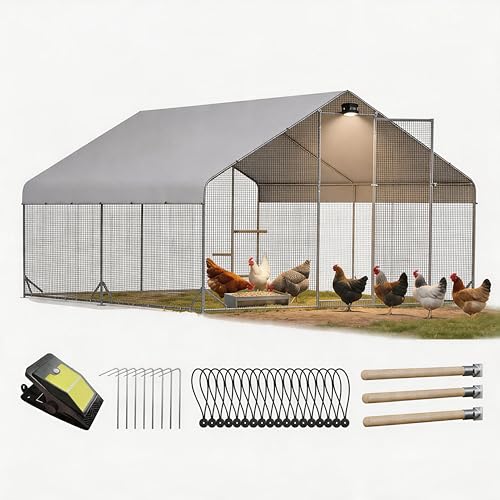
【Ultimate Safety with Hardware Cloth】 Unlike standard hexagonal wire, our chicken run uses premium hardware cloth to keep your poultry secure. This reinforced mesh is tough enough to withstand biting and scratching from predators, keeping your hens safe and sound.
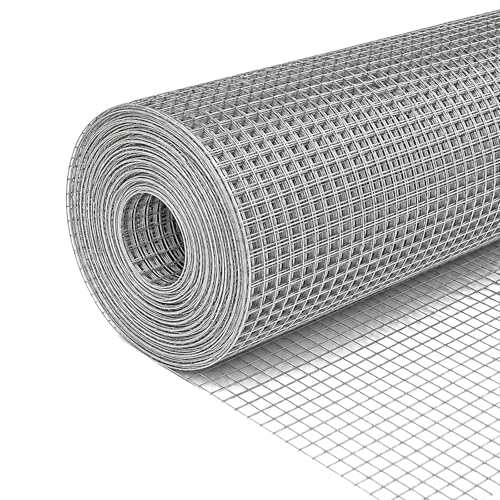
Hardware Cloth 1/2inch for Chicken Coop – 16 inch x 50 ft welded wire mesh made from 23-gauge galvanized steel hardware cloth. Provides reliable strength and flexibility for chicken wire fencing, garden protection, and general outdoor use
How to Predator-Proof Your Coop Without Breaking the Bank?
To predator-proof your coop without breaking the bank, focus on securing all openings with inexpensive but durable materials. Use 1/2-inch galvanized hardware cloth instead of chicken wire, as it’s much stronger and prevents predators from tearing through. Cover all windows, vents, and gaps wider than an inch with this mesh, fastening it tightly with screws and washers rather than staples, which can loosen over time. Game bird feed is not ideal for chickens due to its higher protein content and different nutrient balance, so avoid using it as a primary feed.
For ground-level threats, bury the hardware cloth 12 inches deep around the perimeter or create an outward-bent apron that extends 18 inches away from the coop. Fill this area with soil or rocks to anchor it securely. Don’t overlook the roof—install hardware cloth overhead to deter hawks and climbing predators from gaining access from above. Regularly check all openings with a flashlight at night, paying close attention to any weak spots or potential entry points. Finally, install raccoon-resistant latches on doors to prevent these clever creatures from opening them. A dedicated chicken run attached to the coop also provides secure outdoor access for your flock. These straightforward, low-cost upgrades can significantly enhance your coop’s security without requiring a complete rebuild, and choosing a well-reviewed, durable design from top-rated options can further ensure your investment holds up over time.

High-Quality Anti-Rust Process This hardware cloth is made from high-strength low-carbon steel wire, combining excellent strength with flexibility. After precision welding, the entire product undergoes a premium anti-rust treatment—hot-dip galvanization—with special reinforcement at all seams and corrosion-prone areas to ensure uniform, dense coating and outstanding rust resistance. This process grants the product superior weather resistance, making it an ideal choice for wire mesh fencing and long-term outdoor applications.

Galvanized After Welding: Hot-dip galvanized after welding coats every welded joint, so the heavy duty mesh resists rust and breakage far longer than pre-galvanized wire in rain, soil, and sun.Thicker wire builds a sturdier fence that resists bending and animal push-through

Material and size: The size of the hardware cloth is 16 inch×50 ft and 1/2 inch×1/2 inch thickness, adopt 19 guage hot-dipped galvanized material
5 Cheap Add-Ons That Keep Your Chickens Healthy (No Fuss)
Including probiotic litter additives costing under $11 can significantly improve your flock’s health by reducing moisture, odor, and ammonia in the coop. These additives promote cleaner bedding, which lowers stress and helps prevent disease. Regularly using probiotics in your bedding is a cost-effective way to maintain a healthier environment for your chickens. One such product, FlockLeader Healthy Coop, is a 12-pound formulation that uses live, USA-grown probiotics to seed the coop and support waste breakdown. Top bedding choices for your chicken coop often recommend these probiotic additives to enhance overall coop hygiene. If you are building a plucker for processing, a DIY chicken plucker can also save money on equipment costs. To further improve air quality, you can install a solar-powered fan to increase ventilation without raising your electric bill.
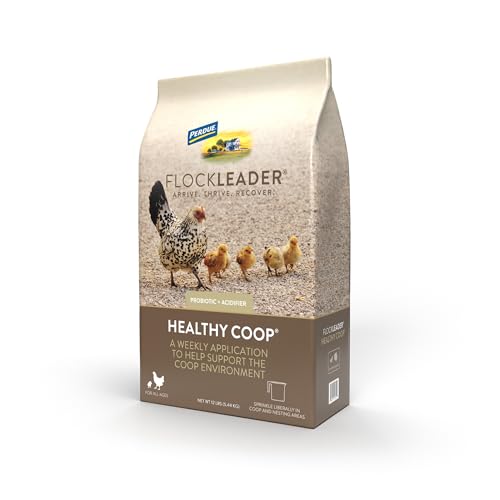
KEEPS YOUR COOP SAFE: The probiotics, acids and moisture absorbers in Healthy Coop help to keep your coop safe, neutralize odors, and keep bedding dry.

Eat Anywhere To Supplement Nutrition: You can pour chicken nesting herbs in the chicken house; litter; nest box; feeder; dust bath area, and the chickens can eat it anytime and anywhere. Nesting herbs for chicken coop can be mixed with other chicken feeds to make a perfect snack supplement, supplementing chickens with multiple vitamins; minerals; calcium and trace elements, etc., which is beneficial to the health of chickens and improves the quality of eggs

NEUTRALIZES AMMONIA & ODORS NATURALLY: Effectively reduces ammonia and unpleasant smells in chicken coops, helping maintain a cleaner, healthier environment for your poultry so they stay comfortable and happy.