

If you’re curious about diatomaceous earth and how it can help around your home, you’re not alone. This natural powder is praised for its ability to control pests, absorb moisture, and clean surfaces.
But not all types are safe—food-grade is different from pool-grade, which contains harmful crystalline silica. Keep reading to discover everything you need to know.
What Is Diatomaceous Earth and Where Does It Come From?
Diatomaceous earth comes from fossilized remains of tiny algae called diatoms that built intricate silica shells. When these microscopic algae die, their shells sink to the bottoms of lakes and seas, slowly accumulating over the ages. Over millions of years, layers of these remains become buried, compressed, and transformed into thick deposits of diatomaceous earth. You can find and extract this material in regions such as California and Nevada. Its high porosity and lightweight nature stem directly from the microscopic silica skeletons of the diatoms, making it a naturally occurring substance that’s both porous and fine in texture. For those raising quail, it can be used to maintain a clean and dry environment inside quail egg incubators. Many poultry keepers also value it for helping control pests in a chicken coop with run, thanks to its abrasive and dehydrating properties.
Food-Grade vs. Pool-Grade: What’s the Difference and Why It Matters
The main difference is that food-grade diatomaceous earth (DE) is uncalcined and contains less than 1% crystalline silica, making it safe for use in animal feed, pest control, and grain storage. In contrast, pool-grade DE is calcined and contains 60–70% crystalline silica, which is harmful to inhale and is strictly used for swimming pool filtration. Furthermore, food-grade DE is considered a natural pest control option that works by physically abrading the exoskeletons of mites rather than relying on chemical toxins.
Application-wise, you must not substitute one for the other. Food-grade DE is safe for contact with food and animals but should never be used in pools or for filtration purposes. Pool-grade DE, being calcined and rich in crystalline silica, is dangerous to breathe and should only be used in pool filters. For pet owners, using food-grade DE around cats and dogs is generally considered safe when proper precautions are taken.
Certification labels also differ significantly. Food-grade DE should display FDA Generally Recognized As Safe (GRAS) status and meet heavy-metal limits—arsenic and lead under 10 milligrams per kilogram. Pool-grade DE labels typically indicate pool or filtration use and do not meet food safety standards. Always check the label before purchasing to ensure you’re getting the right grade and avoiding health risks. For example, building a DIY feed bin using food-grade DE can help protect stored grain from pests without the risk of silica contamination.

✅ OMRI Listed for Organic Use – Certified by the Organic Materials Review Institute, ensuring compliance with strict organic standards for safe gardening and farming.
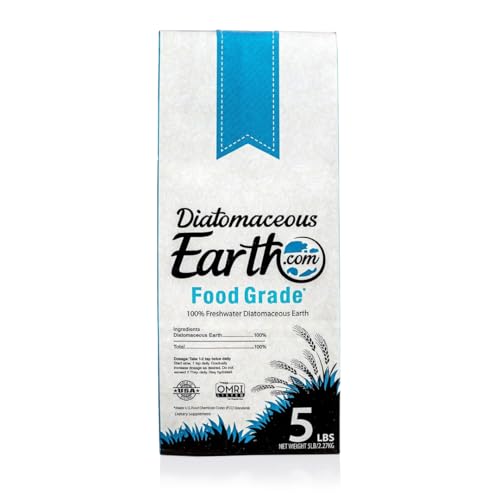
✅ OMRI Listed for Organic Use – Certified by the Organic Materials Review Institute, ensuring compliance with strict organic standards for safe gardening and farming.
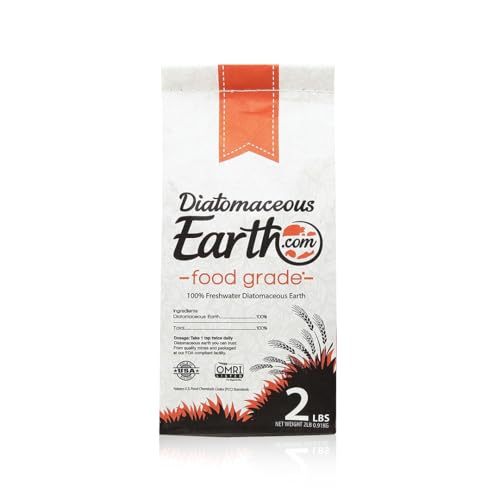
✅ OMRI Listed for Organic Use – Certified by the Organic Materials Review Institute, ensuring compliance with strict organic standards for safe gardening and farming.
Is It Safe for Pets and People? Health Risks and Handling Tips
Diatomaceous earth is not considered toxic, but you should handle it carefully because inhaling the fine dust can irritate your nose, throat, and lungs. Inhalation of large amounts or frequent exposure can cause coughing, shortness of breath, and long-term respiratory problems. Eye contact may result in painful irritation, while skin contact can also cause irritation, especially with repeated exposure. Pets are at similar risk; they can inhale dust when rolling in treated areas or grooming. To minimize their exposure, keep your pets away until the dust settles. For backyard flocks, diatomaceous earth is effective against pests like mites and lice when applied correctly. When treating nesting areas, you should also consider replacing nesting pads regularly to prevent pest buildup and maintain a clean environment. The question of whether diatomaceous earth is safe often depends on using it with proper precautions.
To stay safe during application, wear a dust mask, gloves, and eye protection. Make sure the area is well ventilated, and avoid creating visible dust clouds. After handling, wash your hands thoroughly. Store the product in a sealed container, out of reach of children and pets. Only apply the amount you need and follow the product’s label instructions to ensure everyone’s safety.
How Diatomaceous Earth Kills Pests Without Poison
Diatomaceous earth kills pests through physical rather than chemical means. Applying a dry dust layer allows crawling insects to contact it directly. The microscopic particles scrape away the insects’ outer shell, removing the protective waxy coating. This exposure causes the pests to rapidly lose water, leading to dehydration and death typically within hours or a few days. The particles also interfere with respiration by blocking the insects’ spiracles, the openings used for breathing. Since diatomaceous earth acts physically, it avoids neurotoxic chemicals, making it a safer choice for your environment. Its production involves mining and milling fossilized diatoms, a natural process free of synthetic additives. Keep in mind, it works slower than chemical insecticides and needs direct contact to be effective. Untreated hiding spots can reduce its effectiveness, and results may vary depending on the pest species and humidity levels present. In fact, it can also kill internal parasites in animals by physically abrading their protective coatings when ingested.

Light Dusting: Spreads diatomaceous earth evenly and efficiently on flat surfaces

FOR ORGANIC GARDENING: Diatomaceous earth-based formula is good for organic gardening
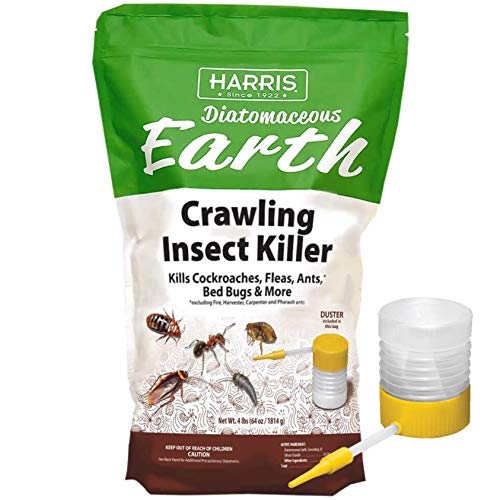
POWERFUL CRAWLING INSECT KILLER : Effectively kills a wide range of crawling insects including ants, bed bugs, cockroaches, fleas, earwigs, silverfish, and spiders. A natural solution for indoor and outdoor pest control without harsh chemicals.
Top Practical Uses for Diatomaceous Earth Around Your Home
Diatomaceous earth can be effectively used around your home through its physical properties, which trap moisture and odors. For odor control, sprinkle food-grade DE inside trash cans, diaper pails, or shoe racks. Its porous structure absorbs moisture and traps smells, helping to keep these areas fresh. In the pantry, utilize it to maintain dry conditions, reducing the chances of mold and spoilage. For cleaning, mix DE with water to create a paste that can scrub sinks, tubs, and stovetops. This gentle abrasive works without harsh chemicals, making it suitable for regular cleaning. To tackle greasy spills on carpets, dust DE over the stain, let it sit for about 15 minutes, then vacuum thoroughly. You can also use a light dusting of DE on mattresses and pet bedding to freshen them, but be sure to vacuum after a few hours to remove any residual dust. For targeted pest control, DE is also highly effective when applied to maggot infestations as it dehydrates and kills them through its abrasive action. Always avoid using pool-grade DE indoors and take care to minimize airborne dust during application to maintain safety. Similarly, sprinkling DE in the chicken coop can help control pests and keep Brahma chickens comfortable by absorbing moisture and odors.

100% Chemical-Free: Made from 8oz of food-grade freshwater diatomaceous earth with no additives or fillers. Safe for use around children, pets and farm animals when used as directed.

PURE: 100% food-grade freshwater diatomaceous earth, nothing else. No anti-caking agents, fillers or additives.

100% CHEMICAL-FREE: Made from 2lbs of food-grade freshwater diatomaceous earth with no additives or fillers. Safe for use around children and pets when used as directed.