

Many people wonder what bugs diatomaceous earth can actually kill. The truth is, it’s effective against over 100 types of pests by dehydrating them, not poisoning them.
It can be a natural solution for household nuisances and garden intruders alike. Keep reading to find out which bugs it works on and how to use it effectively.
How Diatomaceous Earth Kills Bugs by Dehydrating Them
Diatomaceous earth kills bugs through dehydration, not poisoning. When a bug contacts the powder, the tiny, sharp particles physically abrade its waxy outer layer, known as the cuticle. This damage creates small openings that allow moisture to escape. As water begins to drain from the insect’s body, it dehydrates rapidly. The process typically takes several hours to a few days, depending on conditions like humidity and temperature. The powder remains effective only if kept dry; moisture causes clumping, which reduces contact with pests. For the best results, you must ensure direct exposure between the diatomaceous earth and the bugs, as its mode of action relies solely on this mechanical abrasive effect. For chicken keepers, using it in a coop with a run helps control mites and other pests by ensuring the powder stays dry and accessible. Choosing cost-saving materials like repurposed wood can also reduce expenses while building the structure. To maximize protection, you should also position the treatment near roosting bars and nesting boxes where top silkies coops often feature elevated designs that keep bedding dry.

✅ OMRI Listed for Organic Use – Certified by the Organic Materials Review Institute, ensuring compliance with strict organic standards for safe gardening and farming.

100% Chemical-Free: Made from 10lbs of food-grade freshwater diatomaceous earth with no additives or fillers. Safe for use around children and pets when used as directed.
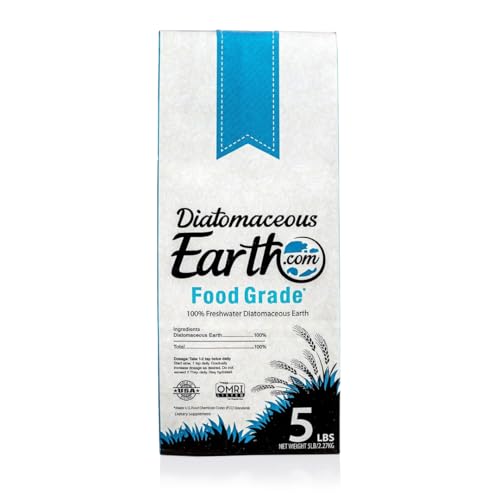
✅ OMRI Listed for Organic Use – Certified by the Organic Materials Review Institute, ensuring compliance with strict organic standards for safe gardening and farming.
Household Pests Diatomaceous Earth Kills Best – Ants, Bed Bugs, and More
Diatomaceous earth kills pests that cross dry, treated pathways most effectively. It works best on insects like ants and bed bugs because of their behavioral patterns. For example, foraging ants follow predictable trails, so applying DE along their routes ensures better contact and quicker results. Bed bugs crawl along mattress seams, making these areas prime spots for DE treatment. Similarly, ventilating your chicken coop properly can help prevent moisture buildup that might reduce DE’s effectiveness.
Since DE requires direct contact with the insects, it doesn’t leave lasting chemical residues on surfaces. This means you don’t need to worry about toxic leftover substances. Ants die within 24 hours when they repeatedly cross treated baseboards. Bed bugs, however, can take up to 17 days for full mortality because they must walk through the powder multiple times.
Cockroaches and silverfish tend to hide in dry cracks and crevices, where DE stays active and provides ongoing control. Fleas in carpeted pet areas can also be managed with DE, but only if pests move repeatedly across the treated zones. Unlike pest control, chicks require a specific age and season guidelines before transitioning to layer feed. For quail keepers, selecting the right incubator for quail is essential for successful hatching. The key to success is understanding these pest behaviors and applying DE where they’re most likely to cross or crawl.

POWERFUL CRAWLING INSECT KILLER : Effectively kills a wide range of crawling insects including ants, bed bugs, cockroaches, fleas, earwigs, silverfish, and spiders. A natural solution for indoor and outdoor pest control without harsh chemicals.

100% Chemical-Free: Made from 8oz of food-grade freshwater diatomaceous earth with no additives or fillers. Safe for use around children, pets and farm animals when used as directed.

FOR ORGANIC GARDENING: Diatomaceous earth-based formula is good for organic gardening
Garden Pests You Can Control With Diatomaceous Earth
Diatomaceous earth effectively controls soft-bodied crawlers like slugs, snails, earwigs, and young caterpillars. When these pests crawl across treated soil or leaves, the abrasive nature of DE damages their moist surfaces, causing them to dehydrate and die. It also helps suppress cutworms at the soil line and manages pests such as flea beetles, Colorado potato beetle larvae, and asparagus beetles through direct contact. Millipedes, pillbugs, and crickets are also vulnerable in dry garden beds.
For optimal results, dust DE as a fine layer along their travel routes and on leaf edges. Avoid applying thick piles, as this reduces effectiveness. Incorporate DE with soil amendments to improve drainage, but remember that rain or irrigation will wash away its abrasive properties, requiring reapplication after moisture events. Keep in mind, DE works best on crawling, soft-bodied pests and is less effective against large, hard-shelled insects.

100% Chemical-Free: Made from 5lbs of food-grade freshwater diatomaceous earth with no additives or fillers. Safe for use around children and pets when used as directed.

SAY GOODBYE TO BUGS: Kill a wide range of crawling insects like roaches, ants, fleas, silverfish, and bedbugs with our indoor bug and roach killer for insect control
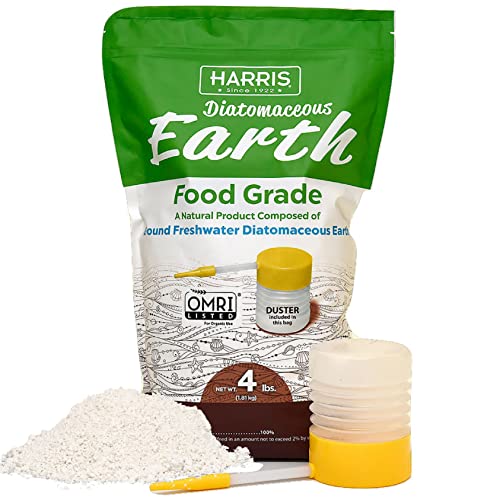
Natural Product - Composed of 4lbs of 100% ground freshwater diatomaceous earth with absolutely no additives or fillers.
Spiders, Mites, and Other Crawling Pests DE Eliminates
Diatomaceous earth (DE) can target spiders, mites, and various crawling pests, but its effectiveness depends on the species. For spider mites, direct contact is essential because DE damages their waxy outer layer and accelerates dehydration. However, these pests often hide on the undersides of leaves, making contact difficult. Spiders are harder to control with DE because their wandering movement limits exposure; it functions better as a barrier rather than a direct killer. For pests like ants, cockroaches, fleas, and beetles, DE works well if they cross treated surfaces. Its low environmental impact makes it a popular choice, but moisture can reduce its effectiveness, so reapplication might be necessary after rain. Since pest eggs can survive treatment, consistent monitoring and reapplication are recommended. Combining DE with sanitation practices improves overall pest control by disrupting their travel paths and reducing hiding spots. When building a storage solution for DE, a DIY feed bin offers a cost-effective way to keep the powder dry and effective, as moisture is its main enemy. While DE targets crawling pests, broiler chickens require a completely different nutritional strategy for healthy growth. Using bracing fence posts effectively can help stabilize garden structures and limit pest hiding spots.
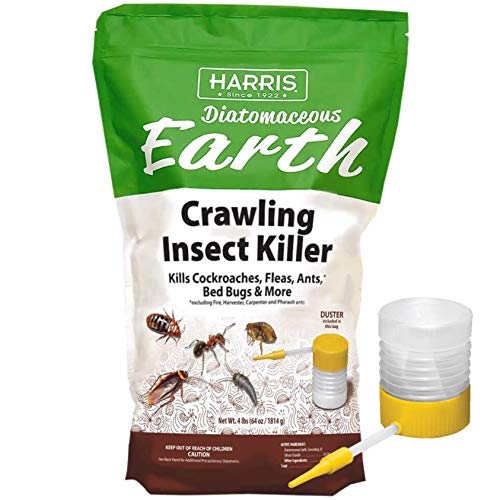
POWERFUL CRAWLING INSECT KILLER : Effectively kills a wide range of crawling insects including ants, bed bugs, cockroaches, fleas, earwigs, silverfish, and spiders. A natural solution for indoor and outdoor pest control without harsh chemicals.

Natural and Effective Formula - Crafted from 100% pure diatomaceous earth and peppermint oil, ensuring safe and effective pest control for households

Light Dusting: Spreads diatomaceous earth evenly and efficiently on flat surfaces
Why Diatomaceous Earth Struggles With Flying Insects and Termites
Diatomaceous earth generally struggles to control flying insects and termites. Because it works only through direct physical contact, it’s ineffective against flying insects like mosquitoes and flies that rarely crawl across treated surfaces. These insects tend to land on walls, plants, or other surfaces without touching the powder, so they don’t pick up enough of it to dehydrate and die. Since DE has no airborne effect, it cannot knock down flying pests like a spray can.
For subterranean termites, DE is also limited. Termites travel inside soil and mud tubes, rarely crossing treated surfaces directly. Moisture further reduces DE’s effectiveness; dry DE kills pests within hours, but even 10% moisture content can sharply decrease mortality rates. Also, DE doesn’t spread through a termite colony. Only termites that cross the treated powder die, while others remain hidden in wood or tunnels, leaving colony activity largely unaffected. Overall, while DE may slow some crawling pests, it is not a reliable method for controlling flying insects or termites.
How to Apply DE Correctly for Maximum Effectiveness
Apply diatomaceous earth only when the weather forecast predicts no rain or dew for at least 24 to 48 hours. Prior to application, vacuum indoor areas thoroughly to remove dust and debris that could interfere with the DE’s effectiveness. Use a bulb duster to precisely target cracks, crevices, and hard-to-reach spots, ensuring the DE gets into pest hideouts. For flat surfaces, a gentle shake or sprinkling technique works best. Aim for a light dusting—just a barely visible layer—since more is not better and excess dust can be less effective. Focus on areas such as baseboards, underneath appliances, window frames, and garden edges where pests are likely to travel. Reapply after exposure to moisture, cleaning, or heavy dusting to maintain control. Always wear a dust mask, goggles, and gloves during application to protect yourself. Use only food-grade diatomaceous earth to ensure safety for your household and children.

100% CHEMICAL-FREE: Made from 2lbs of food-grade freshwater diatomaceous earth with no additives or fillers. Safe for use around children and pets when used as directed.

✅ OMRI Listed for Organic Use – Certified by the Organic Materials Review Institute, ensuring compliance with strict organic standards for safe gardening and farming.

100% Food-Grade & Safe – Free from additives and chemicals, ensuring a pure and natural product.