

Wondering if it’s safe to give your chickens game bird feed? While it’s not ideal for their regular diet, you can use it temporarily in a pinch.
Just keep in mind that its high protein level and low calcium content can pose risks if fed long-term.
Stay tuned—here’s what you need to know to keep your flock healthy.
Can Chickens Eat Game Bird Feed? (Quick Answer)
Chickens should not eat game bird feed regularly because it does not meet their nutritional needs. Game bird feed is formulated with higher protein levels and contains much less calcium than a proper layer ration. While an occasional accidental nibble won’t cause immediate harm, feeding it as a staple can lead to health issues. The main concern is nutrient mismatching: the extra protein may strain their kidneys over time, and the lack of calcium can result in soft-shelled eggs. This isn’t about toxicity but about providing the right balance for laying hens. To keep your flock healthy and productive, stick to a chicken-specific feed that supplies the appropriate nutrients, especially calcium for strong eggshells. For secure housing that supports proper feeding, look for quality chicken coops with runs that keep feeders and waterers clean. A DIY feed bin can help you store your chicken feed more affordably while keeping it dry and pest-free. Using low cost materials for such a bin can help you save money on feed storage.
When Game Bird Feed Makes Sense for Chickens (Short-Term Use)
Game bird feed can make sense for chickens in specific short-term situations. Use it as an emergency substitute if your regular feed runs out, helping you bridge a brief supply gap. For newly hatched chicks, game bird starter can safely replace chick starter for the first 3 to 4 weeks if the appropriate feed isn’t available. During a molt, feeding game bird feed for 2 to 3 weeks can support the increased nutrient needs for feather regrowth. For non-laying pullets under 16 weeks old, it’s suitable before they start laying eggs, but you should provide separate access to calcium. Keep in mind that prolonged use increases risks, so keep supplementation brief. Before using game bird feed, consider researching top quail egg incubators to ensure you have the right equipment for hatching. These alternative feeds are not complete replacements for a balanced chicken diet, so return to a proper, age-appropriate feed as soon as possible. Adding a ventilation fan to your coop can also improve air quality during these short-term feed changes.
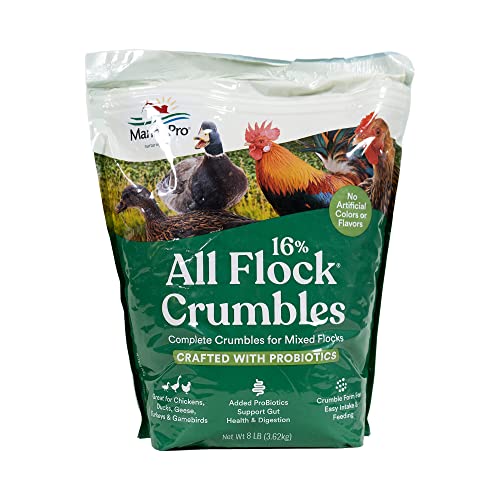
COMPLETE ALL FLOCK FEED FOR MIXED BACKYARD FLOCKS: Versatile poultry feed & all flock feed designed to support chickens, ducks, turkeys, geese, & more; a balanced bird food that simplifies feeding a diverse species in your backyard or homestead

Specially Blended for Ground-Feeding Birds: Designed for inviting doves, quail, juncos, and sparrows to your backyard for peaceful birdwatching

COMPLETE ALL FLOCK FEED FOR MIXED BACKYARD FLOCKS: Versatile poultry feed & all flock feed designed to support chickens, ducks, turkeys, geese, & more; a balanced bird food that simplifies feeding a diverse species in your backyard or homestead
Why Game Bird Feed’s High Protein Hurts Your Flock
High-protein game bird feed, with 24–30% protein content, can do more harm than good for your flock. Your chickens are not naturally designed to handle such a high protein intake, which is tailored for rapid growth and development in game birds. When fed regularly, this excess protein strains their kidneys by forcing them to excrete surplus nitrogen, leading to increased water consumption. This can result in wet litter, which promotes ammonia buildup and respiratory issues. Additionally, frequent feeding of high-protein diets can cause unbalanced growth, obesity, and fertility problems. Using this feed occasionally for a protein boost is acceptable, but daily use is detrimental. Stick to a standard diet with 16–20% protein to maintain your flock’s health and avoid these issues.

Generous Quantity and Large Capacity:The package contains 20 chicken cage cups, providing an ample supply to meet daily use and replacement needs. Measuring 3.7×4.6×2.4" in overall dimensions with a bottom size of 3.1×3.9", each cup has a capacity of 16oz and can hold enough food and water, reducing the frequency of refills

【High Quality】The material of the chicken cage feeding cup is high quality plastic, odorless, wear-resistant and sturdy. The edges of the chicken feeding and watering bowl are smooth and very safe for your birds, poultry, rabbits, chickens and small animals, you can use it with confidence.

COMPLETE STARTER FEED FOR CHICKS: Specifically formulated for chicks from hatching to 16 weeks, this non-medicated chick starter feed delivers balanced nutrition and essential nutrients to support strong, healthy early growth and development.
How Game Bird Feed’s Low Calcium Affects Laying Hens
Because game bird feed contains only 1.1% to 1.4% calcium, it falls significantly short of the 3.6% to 4.2% needed by laying hens for proper eggshell formation. This calcium deficiency leads to thin, soft, or shell-less eggs, as the hen’s body will extract calcium from her bones to support eggshell development. Over time, this calcium drain results in nutritional deficiencies that weaken shell quality with each egg laid, causing a noticeable decline in eggshell strength and hatchability. To support their hydration alongside proper nutrition, consider the best water cups for chickens to ensure easy access to fresh water. Choosing the best windows for your chicken coop can help maintain a stable environment that supports overall hen health, but it does not fix the calcium deficit from improper feed. This calcium deficit doesn’t only affect eggs. When hens mobilize skeletal calcium reserves to compensate, their bones weaken, raising the risk of osteoporosis and reduced mobility. Signs of this include fatigue and difficulty standing. Without addressing this calcium mismatch, your hen’s long-term health is at risk, even as her egg production temporarily continues. To correct this, offering oyster shell as a free-choice supplement can provide the necessary calcium without altering the feed itself.

Essential Calcium Supplement: Pecking Order Oyster Shell is a rich source of calcium, crucial for the development of strong and sturdy eggshells. Adequate calcium intake helps prevent common issues like thin or brittle shells, ensuring your eggs are consistently high quality.

Optimal Health and Egg Production - Enriched with 16% protein from organic grains, this feed provides a balanced and complete diet for laying chickens and ducks, promoting growth and nutritious, supports strong eggshells

STRONGER EGGSHELLS, FEWER BREAKS – Eggshells are 94–97% calcium carbonate; this crushed oyster shell replenishes what laying hens lose daily, reducing cracked and thin-shelled eggs.
Temporary vs. Permanent: The Real Risk to Avoid
Switching to a permanent replacement for game bird feed can cause significant health problems. When used long-term, the low calcium content in such feeds weakens eggshell quality, making eggs more prone to breakage. Excessive protein, on the other hand, places unnecessary strain on your birds’ kidneys and metabolic processes. Over time, this imbalance results in brittle eggs, poor feather condition, and diminished immunity. The longer you rely on game bird feed as a regular diet rather than a short-term substitute, the more severe these issues become. Always remember to treat game bird feed as a temporary solution, not a permanent staple.
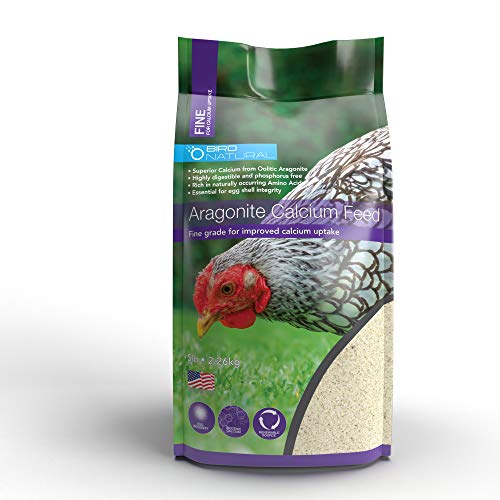
Superior calcium from Oolitic Aragonite

Superior calcium from Oolitic Aragonite: Provides high-quality calcium sourced from naturally occurring Oolitic Aragonite for optimal poultry nutrition

Calcium supplement without Vitamin D3 is
How to Feed Game Bird Feed Safely (Mix or Limit)
Using game bird feed safely involves mixing it in small, controlled amounts rather than offering it as a full replacement. A recommended ratio is one part game bird feed to three parts regular chicken feed. This diluted blend helps prevent your flock from consuming excessive protein, which can lead to imbalances or health issues. For those designing their own setup, building a chicken coop from scratch allows you to customize feed storage to better manage these mixed feed ratios. For further comfort, providing soft nesting pads in the coop can help keep hens content and reduce stress during feeding transitions.
Implement the switch gradually over 7 to 10 days. Slowly increase the proportion of game bird feed while decreasing the regular feed to give your birds time to adjust. Keep the mixture temporary—use it only during feed shortages or gaps in brooding, not as a permanent diet. For laying hens, be aware that game bird starter lacks adequate calcium; always provide separate oyster shell so they can self-regulate their intake. For convenience, consider using automatic chicken coop doors to ensure your hens have secure access to their feed area.
Choose the right ratio based on your flock’s age and purpose. High-protein game bird feed is suitable for growing birds but not for mature layers. Maintaining these guidelines ensures your birds stay healthy while avoiding nutritional imbalances caused by long-term reliance on game bird feed.


A premium 10 lb blend of fresh, cleaned grains including cracked corn, wheat, oats, and sorghum to support healthy poultry nutrition and energy.
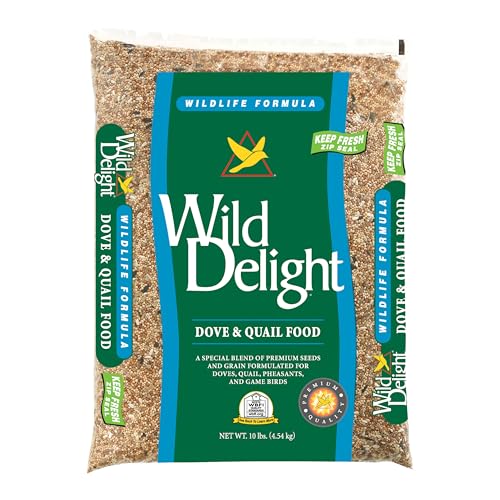
10-pound bag of Dove & Quail Food, specially designed to attract and nourish doves and quails.
Watch for Weak Shells, Odd Droppings, or Weight Changes
Monitoring your flock for weak shells, odd droppings, and weight changes helps identify health or nutritional issues early. Soft, thin, or cracked eggshells often indicate calcium deficiency or heat stress. Observe if multiple birds produce similar shells, as this suggests a flock-wide problem rather than an isolated issue. Abnormal droppings, such as persistent diarrhea, unusual colors, or blood, point to digestive or nutrient imbalances. Weight loss accompanying these signs can signal parasites, infection, or reduced feed intake. Track how often and when these symptoms occur to determine if they are persistent. Selecting the right fit from reviewed chicken coops can also help minimize environmental stressors that affect eggshell quality. Choosing premium pine shavings for your coop bedding can further reduce moisture and ammonia buildup, supporting overall respiratory health and eggshell quality. A well-designed roosting system reduces stress and improves egg production by giving chickens a secure place to rest.
If multiple hens show these symptoms simultaneously, check their access to feed and water immediately. Isolate any birds with ongoing diarrhea or rapid weight loss for closer monitoring. Persistent shell weakness or abnormal droppings beyond 48 hours warrant veterinary consultation. Addressing these issues early can prevent more severe health complications and restore flock productivity.
Protein and Calcium: Key Differences Between Chicken and Game Bird Feed
Game bird feed maintains a low calcium level, typically around 0.8 to 1.2 percent, because it is formulated for growth and maintenance rather than eggshell production. Chickens that are laying or intended for egg production require much higher calcium levels—around 3.5 to 4.0 percent—to support strong eggshells. Feeding game bird feed to layers can lead to weak shells and poor egg quality since their calcium needs are not met. Always choose feed formulations based on your bird’s species and stage of life to ensure optimal health and productivity. Using galvanized hardware cloth around your coop can also protect your flock from predators and pests. Providing shade cloths can also help keep your flock comfortable and reduce heat stress during hot weather. If you need to manage feed costs, consider building a DIY turkey feeder to control portions and reduce waste.