

Wondering what’s best to keep predators out of your flock?
The choice often comes down to chicken wire versus hardware cloth. Chicken wire is cheaper upfront but less durable.
Hardware cloth costs more but offers better long-term protection.
Keep reading to see which option suits your needs and how each stacks up in safety and longevity.
What’s the Difference Between Chicken Wire and Hardware Cloth?
While chicken wire and hardware cloth may look similar, they’re designed for very different applications. Chicken wire is a lightweight, flexible mesh with a hexagonal pattern, making it easy to bend into curves, arches, or decorative shapes. Its ease of shaping and low weight make it suitable for light-duty containment, such as protecting garden plants from small pests or creating temporary enclosures.
Hardware cloth, on the other hand, is a rigid steel mesh that features smaller openings—often ½ inch or less—and thicker wire, typically 19-gauge or heavier. This construction provides greater strength and resistance to deformation, making it ideal for permanent fencing, pest barriers against predators, or reinforcement in construction projects. Although hardware cloth tends to be more expensive upfront, its durability can reduce the need for replacements over time. Because it is typically galvanized to resist rust, hardware cloth withstands outdoor weather and moisture far better than standard chicken wire. For those building a DIY feed bin, hardware cloth is the superior choice for keeping out rodents and predators. Cutting hardware cloth to size, however, requires a tough pair of poultry shears rather than standard kitchen shears, as the thicker wire can quickly dull or damage lighter blades.

Woven Mesh Construction: Crafted using a durable weaving technique, this 27 Gauge hardware cloth offers a flexible yet strong solution for smaller animal enclosures and fine mesh applications.

Size Specification: 2 sheets wire mesh, the size of each piece is 13.7 x 40 inches, wire diameter 0.52 mm

Galvanized After Welding: Hot-dip galvanized after welding coats every welded joint, so the heavy duty mesh resists rust and breakage far longer than pre-galvanized wire in rain, soil, and sun.Thicker wire builds a sturdier fence that resists bending and animal push-through
Why Does Chicken Wire Fail Against Predators?
Chicken wire fails against predators because it is made from thin, twisted wire that easily bends and tears under pressure. Its weak material strength allows animals like raccoons to use their dexterous paws to pull and enlarge gaps, turning small tears into larger entry points. Larger predators such as dogs, foxes, and coyotes can rip or push through the mesh with little effort. Even burying the wire underground does not prevent digging animals from shifting or destroying the barrier, as its flexibility makes it easy for them to maneuver around or beneath it. The hexagonal weave can separate at the twists when sustained force is applied, creating weak spots. Additionally, one-inch openings are large enough for weasels and snakes to squeeze through, while raccoons can reach inside without fully breaching the barrier. Ultimately, chicken wire is more a containment tool than a force-resistant barrier against determined predators.

Industrial-Grade Hot-Dip Galvanized Protection: Unlike flimsy cold-galvanized wire, our hardware cloth is double-dipped in molten zinc, creating a 3x thicker coating that resists rust, scratches, and UV damage. Perfect for coastal areas, snowy climates, and humid gardens
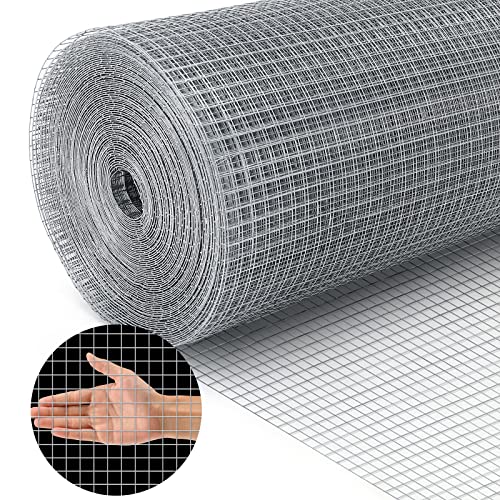
Material and size: The size of the hardware cloth is 16 inch×25 ft and 1/2 inch×1/2 inch thickness, adopt 19 guage hot-dipped galvanized material
Industrial-Grade Hot-Dip Galvanized Protection: Unlike flimsy cold-galvanized wire, our hardware cloth is double-dipped in molten zinc, creating a 3x thicker coating that resists rust, scratches, and UV damage. Ideal for chicken wire fencing and duck run or rabbit/cat/dog enclosures.
When Is Chicken Wire Safe to Use?
Chicken wire is safe to use in supervised, low-risk situations where you can regularly monitor its condition. It works well as decorative fencing around daytime garden beds, mainly preventing rabbits and rodents from nibbling your plants. Keep in mind, its primary role is not for animal containment but for visual barriers and pest deterrence.
For temporary confinement of small flocks during daytime hours, chicken wire is suitable when you are nearby to supervise. It can serve as a top cover for runs to block aerial predators during daylight, provided chickens are locked in at night. Additionally, it is handy for internal flock management, such as separating pullets from older hens or patching minor holes in fences temporarily.
Regular inspection and maintenance are essential to ensure safety. Check for sharp wire ends that could injure your animals and repair broken sections promptly. Avoid using chicken wire on coop floors, as its fragile mesh can cause foot injuries. When used in supervised, low-risk environments, chicken wire remains a safe option for your poultry needs. However, if you feed your flock cracked corn, remember that cracked corn lacks complete nutrition and should only be offered as a treat, not a staple.

【Large Size】 You will receive a roll of chicken wire mesh, which measures 1.31ft (width) x 26.24ft (length), 1 x 0.63 inch fine mesh, wire diameter: 0.9mm, perfect chicken wire for floral arrangements and crafts project

Longth Metal Chicken Wire Fencing Mesh - 24 Rifny chicken wire mesh measures 16.5" (H) x 60ft (L), both lightweight and sturdy, making it easy to shape, spliceable and cut to your desired specifications. 1 inch hexagonal fine mesh design(even the chicks cannot pass) provides optimal protection while allowing airflow. This chicken Fence is perfect for securing a large area, whether it's for vegetable garden and yard, chicken coop, Raised Bed or any other purpose

[CUTTABLE, SPLICEABLE] Chicken wire mesh measures 16.9 inches x 32.8 feet, which is suitable for large areas. Galvanized chicken wire is soft and flexible but stronge. It is bendable and easy to cut. You can also join mesh together if the height is not enough. Chicken wire fencing is double hot-dip galvanized for maximum rust protection and longer life. Designed with double twist hexagonal, chicken fence is more durable and less likely to break
When Should You Choose Hardware Cloth Instead?
Choose hardware cloth over chicken wire when security is your top priority. Its welded grid construction provides superior predator exclusion—raccoons, foxes, and dogs cannot tear through it. For pest resistance, half-inch openings block weasels, snakes, and rats; quarter-inch openings prevent smaller intruders. Use it on coop walls, vents, windows, and door gaps, especially overnight or when you’re not around. Its rigidity also makes it ideal for predator aprons and dig barriers. Although hardware cloth costs more upfront, it offers reliable protection that won’t bend, flex, or fail under pressure like chicken wire. When predators pose a threat, investing in hardware cloth ensures a choice for 4 hens is secure and long-lasting. For those incubating quail eggs, a top quail egg incubator provides the precise temperature and humidity control that complements a secure coop setup. However, even this durable material can rust over time if left exposed to moisture, so opt for galvanized hardware cloth to maximize its lifespan.

Material and size: The size of the hardware cloth is 16 inch×50 ft and 1/2 inch×1/2 inch thickness, adopt 19 guage hot-dipped galvanized material

High-Quality Anti-Rust Process This hardware cloth is made from high-strength low-carbon steel wire, combining excellent strength with flexibility. After precision welding, the entire product undergoes a premium anti-rust treatment—hot-dip galvanization—with special reinforcement at all seams and corrosion-prone areas to ensure uniform, dense coating and outstanding rust resistance. This process grants the product superior weather resistance, making it an ideal choice for wire mesh fencing and long-term outdoor applications.

Galvanized After Welding: Hot-dip galvanized after welding coats every welded joint, so the heavy duty mesh resists rust and breakage far longer than pre-galvanized wire in rain, soil, and sun.Thicker wire builds a sturdier fence that resists bending and animal push-through
Which Is the Better Long-Term Investment?
Hardware cloth is the better long-term investment despite its higher upfront cost. While chicken wire may be cheaper initially, its lower durability leads to frequent replacements due to rust, sagging, and tearing under pressure. These repeated repairs increase both labor and material expenses over time. Hardware cloth, made from welded steel, resists corrosion and retains its shape longer, reducing the need for ongoing maintenance. Its installation is also more secure; once fastened properly, it stays tight and functional for years. In contrast, chicken wire requires constant tightening and patching, which wastes your time and effort. For those considering a budget approach, DIY chicken grit provides an alternative way to save money on materials and ongoing upkeep. This is because galvanized steel mesh offers superior resistance to the elements and physical stress compared to lightweight alternatives. Overall, choosing hardware cloth minimizes future work and expense, making it the smarter, more cost-effective option in the long run. To ensure a secure connection to an electric fence, using correct spacing between poly wire and the charger is critical for preventing voltage drop and maintaining reliable shocking power.

High quality raw materials: Our hardware cloth chooses the strength, toughness and ductility of low carbon steel wire as the inner core. This determines the basis of the high quality of our products
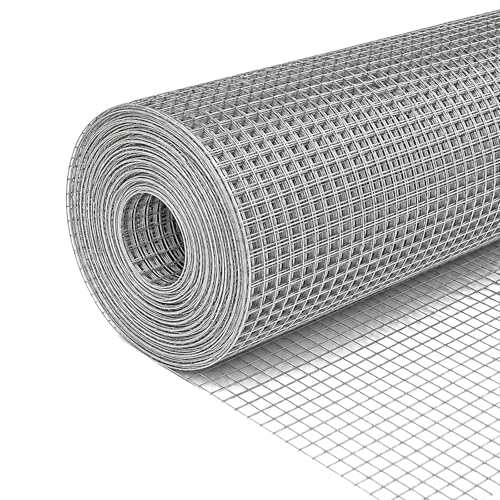
Hardware Cloth 1/2inch for Chicken Coop – 16 inch x 50 ft welded wire mesh made from 23-gauge galvanized steel hardware cloth. Provides reliable strength and flexibility for chicken wire fencing, garden protection, and general outdoor use

High-Quality Anti-Rust Process This hardware cloth is made from high-strength low-carbon steel wire, combining excellent strength with flexibility. After precision welding, the entire product undergoes a premium anti-rust treatment—hot-dip galvanization—with special reinforcement at all seams and corrosion-prone areas to ensure uniform, dense coating and outstanding rust resistance. This process grants the product superior weather resistance, making it an ideal choice for wire mesh fencing and long-term outdoor applications.