

Wondering how much fermented feed to give your chickens? Typically, about a quarter to half a cup per bird each day works well.
This translates to roughly 2½ to 5 cups of dry feed for a 10‑bird flock.
Ferment just 1‑2 days’ worth and keep the ratio of water to feed simple—around 1 to 2.
Adjust these amounts based on your flock’s size and activity, and you’ll find the right balance easily.
The details below will help you get it just right.
How Much Fermented Feed to Give One Chicken Per Day
You should offer fermented feed once daily to maintain a consistent digestive routine. The nutritional content of fermented feed improves during soaking by increasing probiotics and enhancing nutrient availability, so there’s no need to overfeed. Larger breeds or laying hens typically require about 1/2 cup per day, while smaller birds do well with around 1/4 cup. If your chicken eats quickly and still seems hungry, gradually increase the portion size. Start with a smaller amount to avoid waste, then adjust based on their appetite and health observations. Using an incubator with reliable temperature control helps ensure a successful hatch for quail eggs, supporting your home flock from the start. Barn lime helps keep the coop dry and reduces ammonia, which supports respiratory health alongside a good feeding routine. For additional savings, you can also review top chicken coops to find a budget-friendly housing option that supports your flock’s overall health.

Gamefowl & Poultry Supplies: This 30-piece set of durable chicken feeder cups and chicken water cups provides ample chicken feedersand waterers for all your birds. Perfect for rotation, sharing, or multi-cage setups, ensuring your gamefowl and poultry always have access to fresh feed and water.

Quality Material: The chicken drinking cups are made of quality plastic, very durable and solid, not easily to be broken.
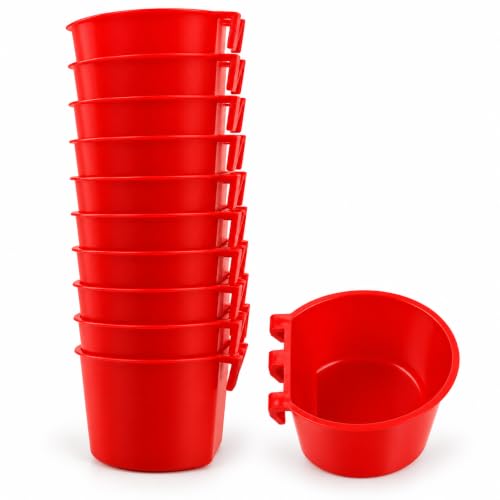
10 Pack Hanging Cups - Provide multiple feeder cups for chicken coops, bird cages, and small animal habitats. Keep feeding areas organized with convenient cups that are easy to install and replace.
Scaling Fermented Feed for a 10-Bird Flock
To scale fermented feed for a 10-bird flock, start with 2½ cups of dry feed. This amount expands in a food-grade container filled only halfway, giving you space to stir and preventing spills during flock migration. Fermentation takes two to three days; stir daily and look for active bubbles to indicate proper fermentation. Use a rotation system: ferment one batch while serving another, which allows you to observe your flock’s health daily. Always smell the batch; a sour, yeasty odor is good. If you detect mold or a foul smell, discard the feed immediately. To ensure all birds are adequately fed, prepare about 20 to 30 percent more than your calculated amount to account for growth spurts or cold weather needs. For this reason, store your feed container in an area protected from rodents, since mice can pass through ½-inch hardware cloth if they squeeze through the openings. For efficient removal of any metal posts near your setup, consider using a post puller to save time and effort. A quality chicken coop with run protects your fermentation station from pests and weather, ensuring your batch stays safe.

Multipurpose Fermentation Buckets: the package includes 6 pieces of 1 gallon round fermentation buckets, offering a convenient solution for multiple fermentation projects at once; The capacity and size allows for you to cater to most event or occasions, making it a versatile and ideal choice

WHAT'S INCLUDED: With this purchase, you'll receive a 2 gallon beer fermenter made from food grade HDPE. This fermentation bucket is 100% BPA free, safe for beer fermentation. Comes complete with drilled lid grommet for an airlock. Very popular with brewers to be used as a bottling bucket as well. FastRack fermenting buckets are very easy to clean and sanitize.

[BPA-FREE & FOOD SAFE] Crafted with your health in mind, this U.S. Solid fermenting bucket is made entirely from premium food-grade materials. Passes rigorous testing to ensure a safe, reliable, and worry-free homebrewing experience
The Simple 1-to-2 Water Ratio for Fermenting Feed
The 1-to-2 water to feed ratio is your reliable baseline for fermenting chicken feed. Mix one part dry feed with two parts water, ensuring the water covers the grains by one to two inches. This moisture level is crucial for fostering optimal microbial activity, which accelerates fermentation. The soaked feed becomes softer, making it easier for your chickens to digest and absorb nutrients more effectively. This process mirrors the moisture control principles used in diatomaceous earth application, where even coverage is key to effectiveness.
Use clean, dechlorinated water and a food-grade container that allows space for expansion. Expect the mixture to roughly triple in weight as the feed absorbs water. This straightforward ratio prevents dry pockets within the mixture and reduces the risk of mold growth, providing a consistent, healthy foundation for your fermented feed. Using a clean, food-grade container aligns with the DIY Feed Bin approach to avoid material contamination. You can also apply this same principle of cleanliness to a DIY Chick Waterer to ensure your chicks always have access to fresh, uncontaminated water.


High-Quality and Professional Grade: Made from BPA-Free plastic, these Cambro plastic round food storage containers are resistant to cracking and breaking, meeting the highest standards of durability and quality. Often used in restaurants and commercial kitchens, they're perfect for both professional and home use.

BPA-Free: Made from food-safe, translucent polypropylene plastic—offering translucent clarity so you can easily see contents and track how much is left.
Why Experts Recommend Fermenting Only 1 to 2 Days’ Worth of Feed?
Experts recommend fermenting only 1 to 2 days’ worth of feed because this small batch size helps maintain freshness and reduces spoilage. A batch this size can typically be finished within 24 to 48 hours, which means you can start a new batch while feeding the current one. This quick turnover keeps the feed vibrant in color and prevents mold growth or souring. Small batches are easier to monitor for quality, minimizing waste and ensuring your flock always gets nutritious, clean feed. Avoid making large quantities that sit idle, as leftovers can spoil or attract pests, risking your flock’s health. To further support chick health during their first weeks, maintaining a stable brooder temperature is equally critical for their growth. Pairing fermented feed with best chicken wire fence posts helps secure the feeding area from predators. Additionally, diatomaceous earth can be dusted in the coop to naturally control external parasites without chemicals.
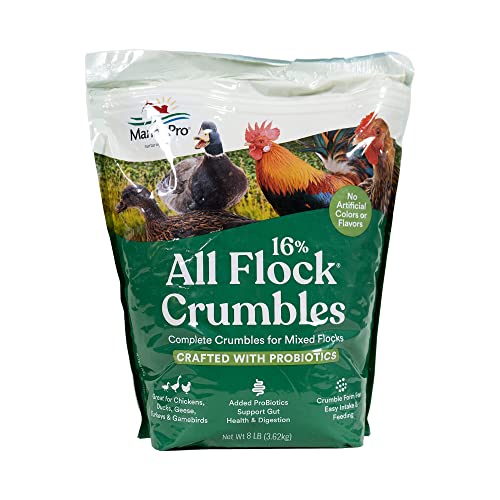
COMPLETE ALL FLOCK FEED FOR MIXED BACKYARD FLOCKS: Versatile poultry feed & all flock feed designed to support chickens, ducks, turkeys, geese, & more; a balanced bird food that simplifies feeding a diverse species in your backyard or homestead
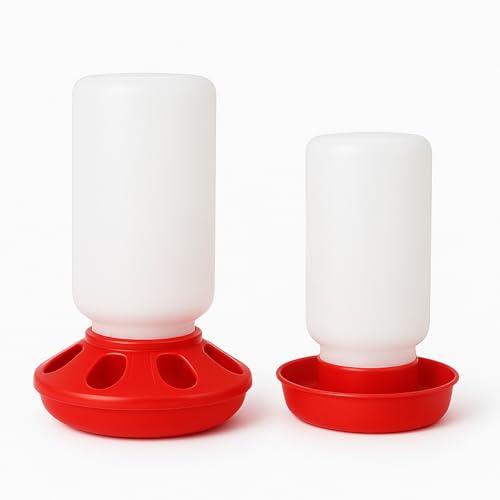
COMPLETE SMALL 1 QUART STARTER SET FOR BABY CHICKS: Includes 1 feeder and 1 waterer sized for small brooder flocks during the early growth stage. This compact starter set helps keep feed and water in one place without taking up too much room in the brooder.
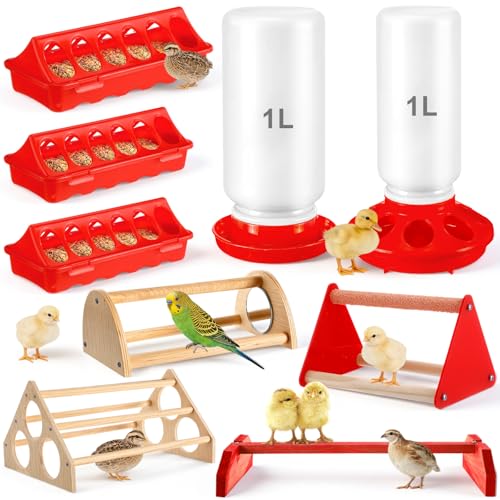
Ideal Chick Feeder Waterer Kit for Raising Chicks: the small chick starter kit offers everything your chicks need for a healthy start; Included are 3 pcs 12-hole chick feeders, 1 pcs chick waterer, 1 pcs 1L feeder and 4 pcs roosting perches; This brooder box set ensures all essentials are covered during the critical early weeks of your chicks' lives; The roosting perches add extra fun for your chicks, making them an ideal choice for new poultry enthusiasts
Choosing the Right Fermented Feed Dose for Your Flock’s Size and Activity
Start with about 1/4 cup of dry fermented feed per chicken each day. This amount serves as a good baseline, but you should adjust it based on your flock’s breed, age, and activity level. Larger breeds or heavy egg layers generally need up to 1/2 cup daily, while smaller or less active birds might do well with closer to 1/4 cup. Multiply this per-bird amount by your flock size to determine your total daily feed— for example, a flock of 10 birds would require roughly 2 1/2 cups of dry feed for fermentation. To minimize waste, split the total daily portion into two servings if your birds tend to leave excess. During warm weather, keep portions small enough for the birds to finish within 30 minutes to prevent spoilage. Only ferment enough feed for 1 to 2 days and store the dry feed in a cool, dry place separately. If any feed remains unused, reduce your next batch slightly to find the optimal amount that your flock consumes without leftovers. For additional help with hydration, review automatic waterer options to ensure clean water is always available alongside fermented feed.

High Calcium Treats for Weak Eggshells: Premium high-calcium black soldier fly larvae (BSFL) explicitly formulated for hens laying weak or thin eggshells. The perfect nutritional solution to counter calcium deficiency and ensure sturdier, golden farm-fresh eggs.
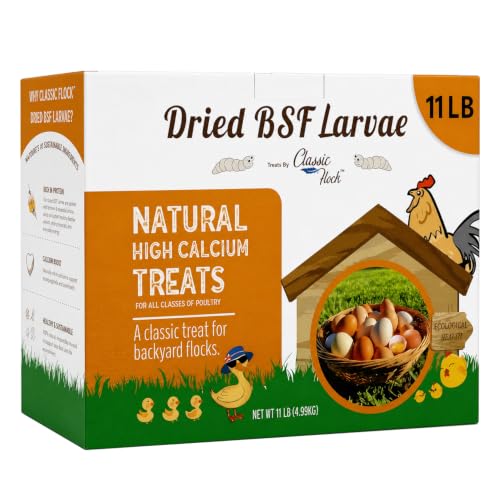
NUTRIENT-RICH POULTRY TREAT: With 34% crude protein (min) and 3.25% calcium (max), these BSF worms add protein and calcium to supplemental feeding for laying hens

High Calcium for Stronger Eggshells – Black Soldier Fly Larvae naturally provide significantly more calcium than mealworms, helping support laying hens with stronger eggshells and healthy egg production.
Where Fermented Feed Fits in the Diet
Fermented feed should be used as a supplement, not a complete diet. To incorporate it effectively, you need to adjust the amount based on your flock’s size and activity level. It typically replaces part of the dry feed but must be balanced to ensure your birds still receive all essential nutrients like protein, calcium, and amino acids. Fermentation enhances nutrient availability, but it does not replace these core nutrients. Usually, fermentation is applied to layer feed, grower feed, or scratch grains, with the proportion adjusted to match your birds’ production stage.
Only prepare enough fermented feed for one to two days at a time to prevent spoilage. Offer it as a wet portion, replacing some of the dry feed, and make sure your birds can finish it in one sitting. This approach supports gut health and digestion without jeopardizing their nutritional needs.
Adjusting Fermented Feed for Breed, Age, and Activity
Adjusting fermented feed based on breed, age, and activity level is essential for optimal intake. Smaller breeds like bantams require significantly less fermented feed than larger birds such as broilers, which can consume 8 to 12 ounces daily. To maintain proper nutritional balance, you should adjust the proportion of fermented feed accordingly, typically limiting it to 1 to 2 percent of their total daily intake for adult layers. Birds that are more active, such as foragers or those kept in colder weather, may eat more overall but still benefit from this low percentage of fermented feed. A sustainable protein option like black soldier fly larvae offers a visual guide for understanding what these efficient feeders consume. Proper storage is crucial—keep your fermented feed in a cool, dry place to prevent spoilage. Remember, chicks and pullets do not need fermented feed until they reach laying age, so wait until they are mature enough. Always match your total feed volume to breed standards, then calculate the appropriate small fermented addition based on that overall amount.
Serving Damp Mash to Reduce Waste
Fermented or soaked mash is more palatable, so your birds consume it more completely. You can reduce feed waste by 10 to 30 percent with this method, and some flocks report waste reductions closer to 30 percent. Keep the feeders half-full to limit spillover, which usually accounts for only about 3 percent waste. Since wet mash spoils quickly, serve only one or two days’ worth at a time to prevent spoilage. Drain excess liquid before feeding to minimize messy spills and waste. This approach results in fewer fines on the floor and overall lower feed costs. For safe backyard chickens, secure hardware cloth is often relied upon to protect feeders from predators. A roll-away nesting box design can similarly reduce egg breakage and keep the coop cleaner. To keep the feeding area clean, you can also properly fit a saddle to protect a hen’s back from feather damage during mating.
Why Fermented Feed Amounts Vary by Chicken Size and Activity
Activity levels significantly influence how much fermented feed your chickens need. More active free-range birds burn more calories, so you should increase their daily ration compared to sedentary penned birds. Behavioral differences impact intake: confined birds with limited movement will require less feed, while those roaming and scratching will naturally eat more. Additionally, age plays a role—peak-laying hens often consume around 120 grams daily, whereas younger growers start with lower amounts. Adjust your feed quantities based on your flock’s size, activity level, and age to prevent underfeeding and minimize waste. Building a chicken tractor yourself can reduce feed costs by allowing birds more access to fresh greens and insects. Choosing the right waterer setup, such as the best nipple, ensures clean water is always available to support proper digestion of fermented feed. You can also build a DIY dust bath container to help your flock stay clean and reduce external parasites that might interfere with feeding efficiency.