

Are you wondering what hardware cloth really is and how to use it effectively? It’s a tough, galvanized steel mesh designed for durability and rust resistance.
It’s perfect for keeping pests out or building garden structures. Whether you need a small-scale fix or a versatile material for DIY projects, understanding its features can help you choose the right type.
Keep reading to discover everything you need to know about this reliable mesh.
What Is Hardware Cloth (And Why Is It Not Cloth)?
Although it’s called “cloth,” hardware cloth is not made from fabric or fibers. It is actually a metal mesh crafted from galvanized steel wire. The construction involves weaving or welding to form rigid, square openings, creating a sturdy barrier sheet. Its durability comes from the galvanized steel core, which resists rust and can withstand physical impacts much better than any textile. Keep in mind, its industrial, metallic appearance is not designed for decoration. While it can bend slightly like fabric, it remains a tough metal screen meant for protection and containment, not softness or aesthetic appeal. This same material can also be used to build a DIY feed bin, offering an affordable metal barrier for storing animal feed. Next time you see the term “hardware cloth,” remember that you are looking at a resilient metal mesh built to last and perform under demanding conditions.
Choose the Right Mesh Size for Mice, Insects, or Garden Use
For mice, a 1/4-inch mesh is your best choice because it effectively blocks small rodents while still allowing good drainage and airflow. Mice can squeeze through gaps larger than 1/4 inch, so using 1/2-inch mesh is ineffective. Standard hardware cloth isn’t fine enough to keep out insects; for those, opt for dedicated insect screening with a smaller mesh size. In garden applications, 1/4-inch mesh strikes a good balance between pest protection and ease of handling. When installing, cut the mesh carefully with tin snips and secure all edges firmly to prevent gaps. For example, overlapping and fastening joints with stainless steel wire ensures a seam that resists pulling apart over time. For chicken coops, quality hardware cloth with a run provides durable protection against predators. For storing quail eggs, using the right top egg carton picks can prevent breakage and maintain freshness. Regularly inspect the mesh for rust or bent wires, especially after heavy rain or digging, to maintain its protective barrier. Keep in mind that smaller openings provide better pest protection but may be less flexible to work with, so consider your specific pest pressure and installation ease.

Size Specification: 2 sheets wire mesh, the size of each piece is 13.7 x 40 inches, wire diameter 0.52 mm

STURDY CONSTRUCTION — 304 STAINLESS STEEL:GMOTLSE 304 stainless steel hardware cloth is made of genuine 304 stainless steel with solid welding points and strong tensile strength, ensuring the mesh holds its shape under long-term use. Even when exposed to moisture or outdoor elements, this 304 stainless steel wire mesh stays rust-free and reliable for years
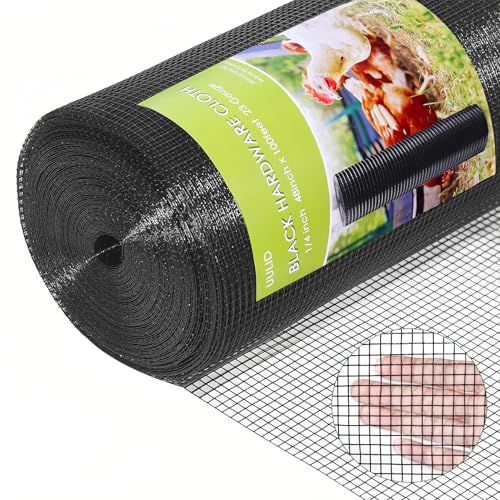
RUST RESISTANCE: UULID black hardware cloth 1/4 inch 48 x 100 ft adopts Hot dipped galvanized, which prevents rust and corrosion and longer service life
5 Practical Hardware Cloth Projects Around Your Home
You can easily turn hardware cloth into practical projects around your home. For wall patch reinforcement, cut the mesh slightly larger than the hole, press it into place, and cover with joint compound for a durable repair that prevents cracks. To create a pest protection solution, shape a strip into a pipe guard, fold the ends into mounting tabs, and screw it onto the wall to keep rodents or larger pests out. Transform an old picture frame into a handy DIY storage solution by stapling mesh to the back — perfect for clipping notes, keys, or small tools with clothespins. For organizing your garage or cabinets, attach a narrow strip of mesh to scrap wood to hold lightweight tools or supplies. Outdoor projects include forming the mesh into a bird-feeding basket or compost bin, allowing for ventilation and easy cleanup. These simple hacks make good use of hardware cloth’s versatility around your home. A similar approach works for livestock, where you can build a 5 gallon bucket chicken waterer to provide clean drinking water in your coop. You can also apply this technique to construct a DIY quail feeder that keeps feed clean and reduces waste. For a reliable watering solution, consider using an automatic chicken waterer with float to maintain consistent water levels and reduce daily refills.

High quality raw materials: Our hardware cloth chooses the strength, toughness and ductility of low carbon steel wire as the inner core. This determines the basis of the high quality of our products

Galvanized After Welding: Hot-dip galvanized after welding coats every welded joint, so the heavy duty mesh resists rust and breakage far longer than pre-galvanized wire in rain, soil, and sun.Thicker wire builds a sturdier fence that resists bending and animal push-through

【Durable Material & Size】Our hardware cloth measures 16in x 50ft with a 1/2 inch square opening, made of 19 gauge hot-dipped galvanized steel. This hardware cloth 1/2 inch is strong, rust-resistant, and designed for long-lasting outdoor use
Why the Galvanized Coating Makes It Last Outdoors
The galvanized coating is what allows hardware cloth to last outdoors for decades. During surface preparation, the steel is thoroughly cleaned to remove any impurities, then dipped in molten zinc. This process creates a metallurgically bonded barrier that coats the steel evenly. The zinc layer acts as a protective shield, blocking moisture and oxygen from reaching the steel underneath, which are the main causes of rust and corrosion.
Even if you scratch or cut the mesh, the zinc provides ongoing protection. It acts sacrificially, corroding first to shield the exposed steel through a process called cathodic action. This prevents rust from invading underneath the coating, maintaining the integrity of the hardware cloth over time. Among the different types of lamps used for poultry, red heat lamps offer similar durability for providing consistent warmth in outdoor coops. For quail, using hardware cloth with a 1/2-inch mesh is essential to prevent their escape from the coop.
As exposed to weather, a stable zinc patina gradually forms. This patina, a compact film of oxides and carbonates, develops over six to twelve months. It is resistant to being washed off by rain and continues to protect the steel beneath. Between the initial zinc layer and the patina, these defenses significantly extend the lifespan of your hardware cloth outdoors. Zinc’s sacrificial and protective properties cut the corrosion rate to about 1/30th of bare steel, ensuring your hardware remains durable and functional for many years. For comparison, when feeding poultry near the hardware cloth, cracked corn is a safe treat if offered in moderation.

Heavy-Duty 19 Gauge Hardware Cloth Construction: This hardware cloth is made from thick 19 gauge welded steel wire, creating a rigid and stable structure that holds its shape during installation. It is designed for outdoor and DIY applications where strength and durability are important.

High-Quality Anti-Rust Process This hardware cloth is made from high-strength low-carbon steel wire, combining excellent strength with flexibility. After precision welding, the entire product undergoes a premium anti-rust treatment—hot-dip galvanization—with special reinforcement at all seams and corrosion-prone areas to ensure uniform, dense coating and outstanding rust resistance. This process grants the product superior weather resistance, making it an ideal choice for wire mesh fencing and long-term outdoor applications.

Durable Low Carbon Steel: Constructed from high-quality low carbon steel, this hardware cloth ensures maximum strength and durability, perfect for both residential and agricultural applications.
Where to Buy Hardware Cloth: Stores, Sizes, and Price Tips
Hardware cloth is typically sold in rolls ranging from 10 feet to 100 feet in length. Larger rolls, such as the 100-foot ones, usually cost less per foot compared to shorter lengths like 10 feet because bulk purchasing offers savings. Common mesh sizes for fencing are between 1/4-inch and 1/2-inch, suitable for most general projects. Shorter pieces, like 2 feet by 5 feet, are available for smaller jobs such as upholstery or craft work, and they often come at a premium per square foot.
Prices vary depending on the supplier and size. For instance, a 2-foot by 5-foot piece might cost around $18.69 at Tractor Supply, while a 4-foot by 100-foot roll can be found for approximately $109.99 at Home Depot. Buying in bulk or longer rolls reduces the cost per foot, making it more economical for big fencing projects. Some local suppliers offer cut-to-length options, which help minimize waste and ensure you get exactly what you need. Always compare prices across stores or suppliers to find the best deal for your project size.

Premium Heavy-Duty Construction: Crafted from high-quality low-carbon steel wire with hot-dip galvanized coating applied after welding for maximum durability. Our 1/4" 23-gauge hardware cloth (12" x 35ft roll) offers exceptional strength while remaining flexible enough for easy installation. Resists breaking, bending, and warping for long-lasting performance

⭐【FEATURES 1】Quarter inch hardware cloth is made of black annealed steel wire material, solid welding and effective protection. Carton packaging and shipping.

ATTENTION: Please Read: Our hardware cloth is 20 feet long, 4 inches wide, wire 23 gauge thick and holes 1/4 inch. Please confirm the size before placing the order