

If you’ve ever wondered how to give your chickens a fun and natural way to perch and stay active, making a DIY chicken swing might be just what you need. A simple, safe swing can keep your flock entertained and help reduce boredom.
By the end of this, you’ll know how to build a sturdy swing using basic materials, ensuring your chickens enjoy a cozy perch that’s easy to make and hang.
Keep reading for all the step-by-step details.
Why Your Backyard Flock Needs a Chicken Swing?
A chicken swing is a valuable addition to your backyard flock because it provides essential environmental enrichment that boosts their mental and physical health. Swings encourage natural perching and balancing behaviors, giving your birds important leg exercise that can help reduce obesity. They also help combat boredom, which is often a cause of feather picking and bullying among your flock. When selecting a swing, consider pairing it with a top chicken coop with run that offers quality space and predator protection for your birds. For optimal early life development, you might also consider using a quail egg incubator to hatch healthy chicks that will thrive in enriched environments. Additionally, offering a balanced diet alongside enrichment is key, and cheap cracked corn can serve as a cost-effective treat that keeps ducks and chickens actively foraging near the swing.
Using a swing can lead to a calmer, more socially stable group with lower stress levels. This, in turn, supports stronger immune function and can even enhance egg production. The smaller size of backyard setups makes a swing a practical feature, fitting into tight spaces and complementing existing dust baths without requiring major upgrades. Seasonal maintenance is simple—regularly check hardware and wood for weathering damage.
To keep your flock safe, install the swing inside a secure run or coop rather than in open areas, preventing predators like hawks from attacking. Overall, a chicken swing transforms idle confinement into engaging, daily activity, promoting healthier, happier birds.
What Size Chicken Swing Perch Works Best?
A 30 to 40 mm (about 1.2 to 1.6 inches) diameter perch works best for standard hens. This size allows their feet to curl naturally around the perch, providing solid support without forcing their toes into an uncomfortable overlap. Perches narrower than 15 mm (about 0.6 inches) can cause harm or discomfort, while wider perches—5 to 10 cm (about 2 to 4 inches)—enable birds to rest with flatter feet, reducing pressure points. For a durable and weather-resistant setup, you could consider building the swing from solid wood as used in commercial designs like the PETSFIT Chicken Perch.
Match the perch size to the build of your flock. Bantams need smaller perches, roughly 25 to 38 mm (1 to 1.5 inches), to accommodate their smaller feet, while larger breeds or roosters require wider options for stability. The shape of the perch also matters; slightly rounded edges improve comfort and prevent injuries. Allow at least 20 to 25 cm (8 to 10 inches) of perch space per bird to prevent crowding and ensure each chicken has enough room to relax comfortably without slipping.

SAFE TO PLAY: Chick perch, made of selected natural pine wood with a finely polished surface and safe waterproof coating. It is non-toxic and harmless, safe even if chicks peck at it, creating the most secure breeding environment.

Customizable Width & Height: Koutemie chicken roosting perch is designed with an adjustable screw mechanism, allowing you to effortlessly modify both the width and height to perfectly fit your coop’s unique requirements. Whether you have young chicks or mature hens, this perch ensures optimal comfort for chickens of all ages and sizes

Natural Prickly Ash Wood Chick Perch - Durable chick perch made from 100% natural, Gentle on tiny feet, perfect for daily use. Part of essential baby chicken supplies for a safe coop.
Pick the Right Height and Overhead Hanging Point
The optimal perch height for your flock depends on their size, age, and confidence level. For standard hens, start with a perch 18 to 24 inches above the floor. This height provides enough space for them to roost comfortably without feeling cramped. If your birds are heavy breeds or older, lower the perch to 10 to 12 inches to reduce landing stress and make perching easier. For added safety, consider using a a wide, flat roost to prevent foot injuries, as recommended in quality coop designs. When transitioning young birds to this setup, watch for signs it is time to increase the perch height, similar to how you would switch from chick starter to grower feed based on age and development. Keep in mind that a layer hen typically consumes 0.25 to 0.3 pounds of feed each day, so a balanced diet supports overall health and activity like perching.
For bantams or young chicks, keep the perch just a few inches off the ground and raise it gradually as they grow more confident and skilled at landing. The overhead support should be high enough so the swing hangs level, moves freely, and doesn’t hit the floor. A good rule of thumb is to set the hanging point around 18 to 24 inches for comfortable, smooth motion. Always check that the perch and support allow birds to hop on and off without bumping into coop structures, adjusting height as necessary to suit your flock’s development.

Steel-Wood Hybrid Design: Chicken roosting bars feature natural wood embedded into 1.12" long hardware, Unlike traditional all-wood perches that snap under weight

50LB LARGE CAPACITY FOR FEWER REFILLS — Holds up to 50 lbs of chicken feed, reducing the need for frequent refilling and making daily flock care easier. Ideal for backyard chicken keepers with medium to large flocks.

Customizable Width & Height: Koutemie chicken roosting perch is designed with an adjustable screw mechanism, allowing you to effortlessly modify both the width and height to perfectly fit your coop’s unique requirements. Whether you have young chicks or mature hens, this perch ensures optimal comfort for chickens of all ages and sizes
Rope, Dowel, and Hooks: What You Actually Need
Using screw eye hooks that are rated for your overhead structure’s weight is crucial. Space the hooks so that they align with your perch holes, ensuring even support. Tie knots under the perch to prevent the rope from slipping back, making it easier to detach the swing for cleaning. Loop the rope through the hooks securely, then adjust both rope lengths to be equal and the knots symmetric. For cutting the rope to length, wire cutters often provide a cleaner and more precise cut than general pliers. This creates a balanced, comfortable ride for your chickens and keeps the setup stable and safe. For coops requiring supplemental warmth, consider how radiant heat panels can provide efficient, non-light-based heat without disrupting your swing’s overhead space. If you still prefer a heat lamp, look for one with a durable wire guard to prevent burns and accidental contact near the swing.
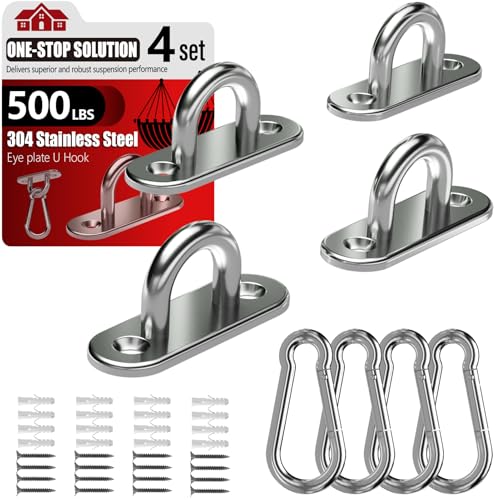
Premium Materials: Ceiling hooks are made from high-strength stainless steel and expertly welded to ensure each connection is secure and flawless. The pad eye hooks offer exceptional rust and corrosion resistance, ensuring reliable performance and durability even in harsh environments
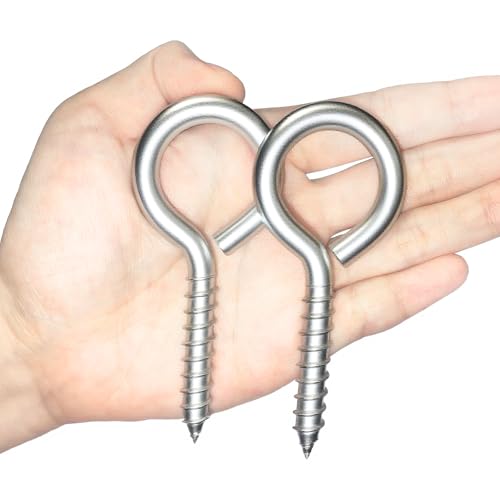
Durable Stainless Steel: Eye hooks screws are crafted from robust 304 stainless steel, resistant to breakage, rust, and corrosion, ideal for a variety of light to medium hanging tasks

Perfect Quality: The eye bolts screw in are made of premium steel material and coated with anti-rust paint. The eye hooks screw is highly resistant to corrosion and rust, and can adapt to sleet, extreme heat, rain or humid environment
How to Cut and Sand the Perch Safely
To cut and sand the perch safely, start by setting up in a dedicated workspace to prevent dust from spreading. Use pre-cut wood pieces whenever possible, as this minimizes the amount of dust generated during shaping. To control dust effectively, connect a tightly fitted hose to your power tools and activate on-tool extraction—avoid relying on fans or compressed air, which can circulate dust particles. Wire cutters typically feature a cutting jaw that applies leverage to snip through metal or plastic, making them useful for trimming wire or zip ties around the coop. Diatomaceous earth is sometimes used in chicken coops for pest control, but it should not be inhaled during sanding activities. The same concrete removal tools used for stubborn fence posts can be repurposed to break up any hardened debris around a coop.
Always wear an FFP3 mask during cutting and sanding to protect your lungs from fine particles. When shaping the perch, round all sharp edges with gentle passes, beginning with the end grain. This helps prevent splinters and is more comfortable for chicken feet. Use progressively finer sanding grits, moving from coarse to fine, and vacuum the perch thoroughly after each stage to remove dust buildup. For final cleanup, opt for industrial vacuum extraction rather than blowing dust around with compressed air. After completing the process, wash your hands to remove any residual dust, ensuring the perch is safe and smooth for use.

50 DISPOSABLE DUST MASKS: A value 50-pack of lightweight, cup-style masks with two straps and a soft foam nose cushion - convenient for the workshop, garage, garden, and around-the-house cleanup.

NIOSH-APPROVED N95 for at least 95 percent filtration efficiency against certain non-oil-based particles and aerosols

NIOSH-APPROVED N95 for at least 95 percent filtration efficiency against certain non-oil-based particles and aerosols
Drill Straight Holes So the Swing Hangs Level
Drill your hanger holes straight to keep the swing hanging level. Even a small angled error causes the perch to tilt once the rope is loaded. Use a pencil to mark the exact center of each hole, transferring measurements from the same reference edge on both sides for consistency. Ensure your drill remains perfectly perpendicular by using a square or corner jig against your perch material. Clamp the work securely before drilling to avoid bit walk. It’s also wise to test your setup on scrap wood first to verify alignment. After drilling, check each hole with a square to confirm it is straight. Small misalignments will cause the swing to tilt under load and can strain metal fasteners. Avoid weakening the wood near hardware openings by leaving enough material intact. Keep in mind that even tiny angle mistakes at the hole can become significant problems once the swing bears weight. Using a brad point bit can prevent skating on the wood surface for more precise hole placement. For a durable build, consider choosing materials similar to those found in a walk-in chicken coop that withstands daily use and weather. This is especially important because the right hardware ensures the swing remains safe for your flock. To further save on costs, you can repurpose scrap lumber and fasteners from other DIY quail feeder projects.

COMPLETE 5-PIECE WOODWORKING SET: Get the five most essential sizes for professional woodworking in one convenient package. This set includes 1/4", 5/16", 3/8", 7/16", and 1/2" bits, equipping you for a wide range of joinery, hardware, and doweling tasks.

PROFESSIONAL GRADE WOOD DRILL FORSTNER BIT SET: Fisch's 29-piece brad point wood bit set delivers clean, precise holes with superior performance for woodworking, cabinetry, and DIY projects in workshops or on-site
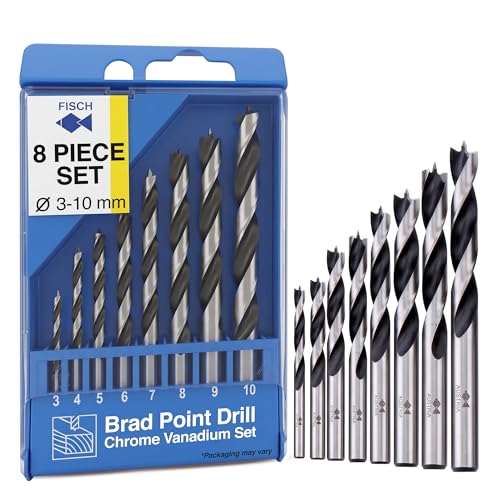
Professional Grade Drill Bit Set: This drill bit set delivers clean, accurate holes with minimal effort, making it a reliable addition to any woodworking tool set. The chrome-vanadium coating keeps the bit cooler and sharper for longer
Thread the Rope and Tie Knots That Won’t Slip
To Thread the Rope and Tie Knots That Won’t Slip, start by choosing a low-stretch polyester line sized for your chicken’s weight plus its movement range. This ensures minimal sagging and keeps the hanging level. Pass the working end around your support twice, forming a round turn. Keep both wraps parallel and snug to distribute the load evenly, maintaining proper rope tension. Bring the working end back alongside the standing part, then tie two half hitches in the same direction. This combination of a round turn and two half hitches provides a secure hold with minimal slip once tied, as the wraps create tension while the hitches lock the position. For metal fence posts, the same efficient removal techniques with a jack or lever can significantly reduce effort. Ensuring your chickens stay hydrated with quality water cups promotes their overall health during playtime. Using a low-dust barn lime in the coop can also help control moisture and odors. Dress each hitch tight against the round turn, making sure there are no gaps. This knot provides excellent knot security because the round turn increases friction, and the hitches lock firmly in place. Trim the tail short so it cannot vibrate loose. After the initial hanging, recheck the knot during the first few swings, as settling can reduce tightness. Regularly inspect the knot for abrasion at the round turn and replace the rope if you notice fraying or stiffness. Keep the knot accessible to allow periodic tightening as needed.
Help Your Flock Learn the Swing With Treats
To help your flock learn to use the swing, start by building trust with treats. Use mealworms as high-value rewards but give small portions to maintain balanced nutrition. Place the swing low, no higher than 18 inches, and in a sheltered area to ensure predator safety. Gently set a calm bird on the perch and immediately reward her. Repeat this process until she sits comfortably without fuss. Once she is relaxed, you can introduce slight rocking movements. If she jumps off, reset and try again later; forcing her can break trust. Celebrate each small success with a reward, then stop while she remains calm. Watching her lead the process will encourage your flock to see the swing as a favorite perch. However, if you use a heat lamp nearby for warmth, first confirm extension cord safety to prevent fire hazards and electrical damage. For a more durable project, consider building a DIY feed bin using plywood and simple hardware.