

Deciding when to switch your chicks from starter to grower feed can feel tricky. Typically, most backyard flocks make the switch around 6 weeks. But if your chicks are slow to develop or feather out, waiting until 8 weeks might be better.
You’ll want to look for full, glossy feathers and lively, bright-eyed birds before changing feeds. Stay with us for the step-by-step blending schedule to make the transition smooth.
Choose 6 Weeks as the Default to Switch Chick Feed
Six weeks is the ideal time to switch your chicks from starter feed. During their rapid early growth, a high-protein starter with 18-24% protein helps prevent nutrient deficiencies. After six weeks, their bodies have developed enough that they no longer need that intensive protein level. At this point, transition to a grower feed with 15-18% protein to support steady growth without encouraging overly rapid development. To do this gradually, start by blending 75% starter with 25% grower for a week, then move to a 50/50 mix for another week, and finally switch to mostly grower feed. This step-by-step process helps prevent digestive upset. Stick to this six-week default unless your feed label suggests otherwise or your chicks aren’t fully feathered. An age-based approach keeps your flock healthy and growing smoothly. When selecting the right feed at each stage, look for layer feed options that provide balanced calcium and nutrients for future egg production. For a clean and healthy coop environment during this transition, many keepers rely on pine shavings as an absorbent and dust-free bedding option. Selecting a proper roost also supports the flock’s resting habits and overall coop hygiene during the feeding switch.

COMPLETE STARTER FEED FOR CHICKS: Specifically formulated for chicks from hatching to 16 weeks, this non-medicated chick starter feed delivers balanced nutrition and essential nutrients to support strong, healthy early growth and development.
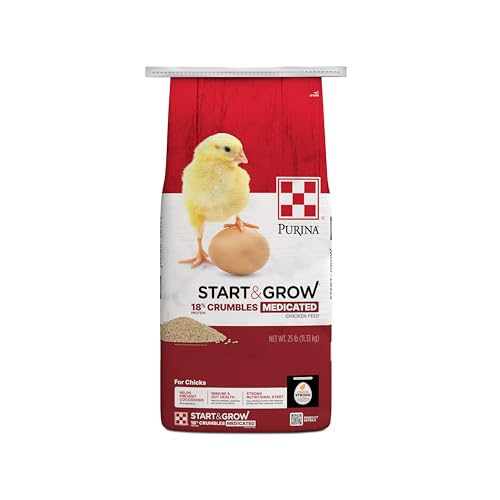
Prebiotics and Probiotics - Supports immune and digestive health

Whole Grain Based - No Byproducts.
Extend to 8 Weeks When Switching Chick Feed for Slow Growers
Switch to grower feed after eight weeks if your chicks are still small or poorly feathered. Rushing the switch before this point can hinder their development, as starter feed’s higher protein content supports rapid juvenile growth. If your chicks are lagging behind, extending the use of starter feed up to eight weeks is a safe practice. Providing engaging coop enrichment toys can also reduce stress and support healthy development during this time. For best results, keep your tools in top condition by following a step-by-step guide for sharpening wire cutters used to open feed bags. Consider building a treadle chicken feeder to reduce feed waste and lower ongoing costs.
When you reach this stage, introduce a gradual transition over a week. Mix starter and grower feed incrementally each day to help prevent digestive upset. Continuing with starter feed beyond eight weeks can be necessary for slow growers, but be sure to monitor their growth and adjust accordingly.

COMPLETE FEED FOR YOUNG BIRDS: Manna Pro Duckling & Gosling Starter Grower Crumbles provide a complete, balanced diet specifically formulated to meet the nutritional needs of your young waterfowl, supporting healthy growth and development from day one.

Prebiotics and Probiotics - Supports immune and digestive health

Watch Your Birds Flourish: Our nutritionally complete whole grain grower crumbles with 17% protein promotes strong development and growth in chickens and ducks. Corn-free. Soy-free
Watch for 3 Readiness Signs Before You Switch (Not Just Age)
You can safely switch your chicks to grower feed when they show three clear readiness signs, regardless of their age. First, check feather maturity. Your birds should have sleek, glossy feathers covering their body and wings, not fluffy down patches. If the feathers look smooth and well-developed, they’re ready. Strong tail feathers are also a good indicator; if fuzz still dominates the tail area, wait a bit longer. Using a timer-equipped automatic feeder can ensure consistent feeding schedules during this transition. Building a DIY feed bin from plywood can further reduce your feed storage costs.
Second, observe their behavior. Bright-eyed, active chicks that explore, peck, scratch, and dust bathe normally are a sign of readiness. Excessive huddling or sluggishness suggests they need more time on starter feed. Their curiosity and energy levels are reliable cues.
Third, assess their growth and body condition. A healthy, well-rounded bird with a plump breast and smooth shape signifies proper development. Typically, dual-purpose breeds weigh about 1.5 to 2 pounds at this stage. If your chicks are smaller, give them more time before switching to grower feed. Once they are fully feathered and off starter, consider using best hemp bedding for a clean, absorbent coop environment.
How to Blend Old and New Feed Over 7 Days
To blend old starter feed with new grower feed over a week, start with a 75/25 ratio (starter/grower) for days 1 and 2. Then, shift to a 50/50 mix during days 3 and 4. For days 5 and 6, switch to a 25/75 ratio. On day 7, provide only grower feed, 100%. This gradual change helps their digestive systems adapt smoothly, preventing upset and selective eating. Make sure to mix the feeds thoroughly to avoid sorting. If you notice a slowdown in eating or changes in droppings, hold the current ratio longer. Adjust the transition based on how well your chicks are adapting, always prioritizing their health and consistent digestion. For most breeds, the switch should occur when chicks reach 8 weeks of age to ensure proper growth. Using a hardware cloth feeder guard can prevent chicks from wasting feed while they adjust. This method also considers the cost and durability of each feed type as they mature.

Medicated Chick Feed With An 18% Protein Ration
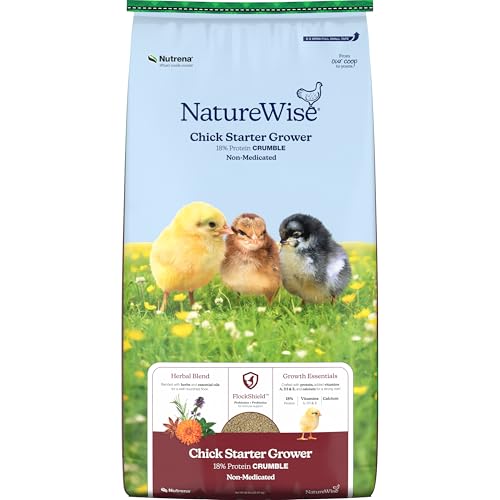
FlockShield Healthy Flock Support our unique ingredient mix helps maintain a healthy gut and strengthen the immune system

Non-GMO, Corn & Soy-Free: Made with high-quality ingredients to support healthy chick growth. This starter chick feed is free from genetically modified organisms and soy, ensuring a cleaner and more natural diet. A great choice for poultry owners looking for chick feed that prioritizes wholesome nutrition.
Why to Start the Feed Blend 5–7 Days Before the Target Week
Starting the feed blend 5 to 7 days before the target week is essential for a smooth transition. This gradual process helps your birds’ digestive systems adjust to changes in protein and energy levels. If you wait until the last minute, they may experience loose droppings, feed refusal, or stress-related issues. A similar strategy of gradual adjustment is recommended when applying diatomaceous earth to prevent respiratory irritation in your flock. Providing fresh water from durable galvanized waterers can also help minimize stress during feed changes by ensuring consistent hydration.
Beginning early allows you to align the new ration with your planned switch date, ensuring the dominant feed is accepted right on schedule. This approach is especially important for fast-growing breeds, which are more sensitive to sudden nutrient shifts. Environmental factors like heat or stress can also increase their sensitivity, making early adjustment even more critical. For a consistent supply of quality equipment, consider Top Quail Egg Incubators to support your flock’s developmental stages.
Blending feeds over this period also reduces texture rejection. If you modify crumbles or pellets gradually, your birds are more likely to accept the new feed without rejecting it outright. Overall, starting 5 to 7 days ahead provides a buffer to monitor intake, make adjustments if needed, and protect your birds’ health during this crucial age change.
Adjust Switch Timing for Broilers, Layers, and Dual-Purpose Breeds
The best time to switch from starter to grower feed depends on the breed type. For broilers, switch around day 21 to 28, or as early as day 14 to 15 if you’re using rapid-growth programs. Their starter feed has a higher protein content of 20–24%, supporting quick muscle development. In contrast, layers need to stay on starter until about 6 to 8 weeks, then transition to grower until 16 to 20 weeks. This approach emphasizes bone development over rapid weight gain, which is vital for consistent egg production. Dual-purpose breeds fall somewhere in between, typically switching at about 6 weeks and then feeding grower until they reach adolescence. Layer feed is formulated with calcium and minerals to support future eggshell strength in laying hens. For optimal results, choose a coop with run that matches the specific space and quality requirements of your growing flock.
Housing conditions also influence feeding timing. Limited access to feed or space may necessitate adjustments to these general guidelines to ensure optimal growth. Proper timing helps prevent disease by aligning nutrition with immune system development. Always check the feed tag for manufacturer recommendations to ensure the switch occurs at the most appropriate time for your birds. As with ducklings, dried mealworms should only be offered as an occasional treat to avoid nutritional imbalances in growing poultry.
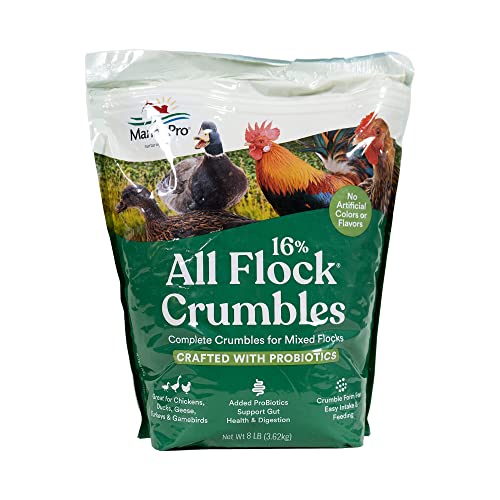
COMPLETE ALL FLOCK FEED FOR MIXED BACKYARD FLOCKS: Versatile poultry feed & all flock feed designed to support chickens, ducks, turkeys, geese, & more; a balanced bird food that simplifies feeding a diverse species in your backyard or homestead
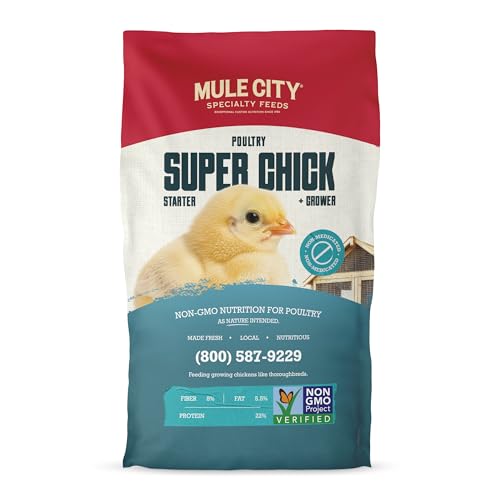
GROWER FEED FOR YOUNG POULTRY: Mule City Natural Super Chick Grower Feed is designed for chicks and young birds transitioning from starter feed into the grower phase, providing a dependable feeding option during important growth stages. It supports steady development during critical growth periods while fitting easily into structured poultry feeding routines.

TAILORED FOR BROILERS: Our organic chicken feed is specifically designed for growing chicks beyond 4 weeks of age. Our chicken grower feed is enriched with probiotics, and contains a carefully balanced blend of protein, vitamins, and minerals to promote the development of healthy bones and feathers from chick to hen.
Fix Problems From Switching Chick Feed Too Early or Late
Switching to grower feed too late can lead to several issues. If you delay the shift beyond 8 weeks, your pullets may become overweight, which increases costs and raises the risk of laying problems. Overweight birds are also more prone to pecking and feather pulling, creating a stressful environment. To avoid these problems, move your chicks to grower feed promptly once their rapid growth phase slows down, typically around 6 to 8 weeks. Using professional feeds like New Hope, Bridge World, or Optima Plus can support consistent weight gain and overall health during this transition. Transition gradually over 7 to 10 days, regardless of the exact timing, to prevent digestive upset and ensure a smooth change.

Strong nutritional start - Easy-feeding mini pellets with balanced protein and essential nutrients

Healthy and Natural Growth – Our nutritionally complete whole grain starter mash with 17% protein promotes strong development and growth in chickens and ducks. Fermentable. Corn-free. Soy-free.

Strong Growth and Vitality - With 20.5% protein from organic grains, this feed supports muscle development, bone health, and soft, fluffy feathers, giving your baby chicks and ducklings the nutrients they need to thrive.
Match Feed Protein to Your Chick’s Growth Stage (18–24% to 15–18%)
Chicks need a protein level of 18 to 24 percent during their initial growth phase. This high-protein feed supports rapid muscle development, strengthens the immune system, and promotes early feathering. As your chicks grow older, around 6 to 8 weeks, you should switch to a grower feed with 15 to 18 percent protein. This adjustment ensures steady development without overtaxing their kidneys or causing uneven growth. Choosing the right feeder is also important, and you can compare top chick feeders for quality and performance to support healthy feeding habits.
It’s important to follow the specific feeding instructions on your feed bag for timing. Keeping your chicks on high-protein starter feed too long can lead to health issues, while switching too early may slow early development. Matching the protein content to their age and growth stage ensures they develop properly without wasting resources or risking health problems. Proper timing of this change is key to raising strong, healthy chicks. For laying hens later in life, however, providing oyster shell calcium separately supports strong eggshells.