

Wondering how long it takes for diatomaceous earth to get rid of pests? You might see some effects in just 12 hours.
With more noticeable signs like sluggish movement and thinner trails appearing within a day. Complete control usually happens within a week.
But some stubborn pests like bed bugs can take up to two weeks. Keep reading to learn how to speed up the process.
How Fast Does Diatomaceous Earth Kill Pests?
You can expect to see the first signs of pest death within 4 to 12 hours under dry conditions. This timeframe depends on how effectively you apply the diatomaceous earth (DE) and how dry the environment remains. Since DE physically damages pests by cutting through their waxy cuticle, dehydration happens gradually. Keep in mind that because this process relies on physical abrasion rather than chemicals or poisons, it takes time for the entire pest population to decline significantly. Usually, a full reduction in pests occurs within 5 to 7 days. The speed of control hinges on maintaining dry conditions and proper application thickness. For backyard flocks, DE is effective against a wide range of pests, including fleas and mites. For chickens, offering a dedicated dust bath for chicken provides an ideal dry environment for DE to work more effectively against external parasites. For those raising quail, using a Top Quail Egg Incubator ensures a stable environment for hatching eggs while you manage pest control separately.

Supports Healthy Feathers & Skin: This 20-pound bag is made with food-grade diatomaceous earth and calcium montmorillonite clay, this dust bath absorbs excess oils, keeping your flock’s plumage clean.

Spa-Like Cleanliness for Your Flock – Premium all-natural blend with food-grade diatomaceous earth, kaolin clay, and zeolite to promote healthy skin, glossy feathers, and natural hygiene—no harsh chemicals!

POWERFUL CRAWLING INSECT KILLER : Effectively kills a wide range of crawling insects including ants, bed bugs, cockroaches, fleas, earwigs, silverfish, and spiders. A natural solution for indoor and outdoor pest control without harsh chemicals.
How Fast DE Kills Ants, Roaches, Fleas, and Other Pests
Ants usually die within 24 to 48 hours after coming into direct contact with diatomaceous earth (DE). Smaller ant species are particularly vulnerable, and you’ll see the best results when you dust their trails and entry points thoroughly. Consistent application along these routes helps increase contact and accelerates the death process. Keep in mind that the speed of death depends on how well the ants are exposed and whether the DE remains dry—moisture can reduce its effectiveness. For poultry keepers, choosing a top-rated Silkie coop design can help manage moisture and dust levels near the feeding area. Reapplying regularly to areas with frequent activity can help ensure ongoing control. For poultry keepers, using a best trough feeder can help keep DE dry and effective in the coop. A run designed with quality and value can also help reduce dampness that hinders DE performance.

FOR ORGANIC GARDENING: Diatomaceous earth-based formula is good for organic gardening

100% Chemical-Free: Made from 8oz of food-grade freshwater diatomaceous earth with no additives or fillers. Safe for use around children, pets and farm animals when used as directed.

Natural Dual-Action Pest Defense : Our formula merges food-grade diatomaceous earth with pure peppermint oil for a powerful, 2-layer defense. The powder physically eliminates crawling insects while the refreshing scent naturally deters future invasions—all without synthetic chemicals
Why Diatomaceous Earth Kills Some Pests Faster Than Others
The speed at which Diatomaceous Earth (DE) kills pests varies based on particle size, pest body size, and environmental conditions. Smaller dust particles, around 5 microns, adhere better to soft-bodied pests like ants, flies, and exposed insects, leading to faster dehydration and death. Larger pests with thicker exoskeletons, such as beetles or cockroaches, resist water loss longer, causing slower kill times.
Environmental factors greatly influence effectiveness. Lower humidity levels and higher temperatures speed up DE’s drying action, resulting in quicker results. Conversely, moist conditions create a barrier on pest surfaces, reducing DE’s ability to desiccate and prolonging survival. Pest resistance is also structural; pests with thick wax layers or larger bodies delay dehydration. Therefore, for rapid control, opt for fine DE when targeting small, soft-bodied insects, but don’t expect the same quick results with larger, more robust pests like beetles or crickets.
What 12 to 24 Hours of Contact Actually Does to Pests
During the first 12 to 24 hours of contact with Diatomaceous Earth (DE), you’ll observe that it begins to damage pests’ protective outer layer. DE works by abrading the insect’s cuticle, removing its waxy coating and causing water to escape. This process doesn’t cause instant death but initiates dehydration. In dry conditions, many pests weaken and die within this timeframe. However, some pests survive longer due to features like thicker cuticles or larger bodies, which offer resistance. The effectiveness also depends heavily on how well the dust is distributed; pests avoiding the powder avoid exposure altogether. A light dusting that covers the insect’s cuticle evenly works best for breaking down their protective layer. Partial dehydration may slow their movement and feeding, but mortality causes remain uneven across the population. For DE applications near water sources, you can mimic the functional design of a DIY chick waterer to keep the powder dry and effective. Leaving DE undisturbed in dry, protected areas ensures continuous contact and maximizes its pest control effects during this critical window. For similar pest barriers in outdoor settings, consider top netting options for your aviary needs.

✅ OMRI Listed for Organic Use – Certified by the Organic Materials Review Institute, ensuring compliance with strict organic standards for safe gardening and farming.

✅ OMRI Listed for Organic Use – Certified by the Organic Materials Review Institute, ensuring compliance with strict organic standards for safe gardening and farming.
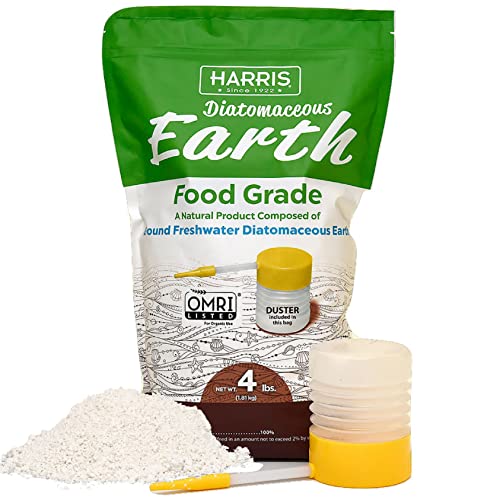
Natural Product - Composed of 4lbs of 100% ground freshwater diatomaceous earth with absolutely no additives or fillers.
7 Signs DE Is Working (And When to Expect Them)
Early visual signs of DE working often appear within 24 hours. Pests may move less, ant trails will thin out, and crawling insects tend to look sluggish. You might also see dehydration signs: slower movement, less grooming, and weaker escape efforts. These signs depend on the pest’s life cycle—softer-bodied insects tend to decline faster, while hard-shelled pests can linger for several days. Applying DE in a well-designed chicken run helps maintain dryness and consistent coverage, which can speed up these results. Using an automatic waterer for chickens helps prevent moisture buildup that could reduce DE’s effectiveness. For the fastest removal of old posts, using pulling fence posts tools saves significant time and effort.
For ants, expect a noticeable reduction in activity within 1 to 3 days. Bed bugs typically take 3 to 7 days before you observe fewer bites. Cockroaches usually decline over 3 to 10 days, and silverfish may need 7 to 14 days. You’ll notice fewer live insects, less frass (insect waste), and less defined trails after about 5 to 7 days.
Environmental conditions like dryness and consistent coverage can speed up these signs. If you see no change after 1 to 2 weeks, it may be due to gaps in coverage rather than slow DE action. In that case, reapply the product and reassess the pest activity.
Why Humidity and Moisture Make DE Slower
High humidity above 55-60 percent significantly slows down DE’s effectiveness. Moisture infiltrates the powder’s porous structure, preventing it from absorbing the waxy lipids on an insect’s cuticle. Without this absorption, desiccation—the drying process that kills pests—does not occur efficiently. As moisture levels rise, DE clumps together, losing the ability to spread thinly and contact pests effectively. This reduces the abrasive action needed to damage insect exteriors. Studies show that at around 76 percent humidity, pest mortality can be delayed or fail entirely within just eight days. To maintain DE’s efficacy, you need to keep it in dry conditions, avoid rain or irrigation, and ensure the powder remains saturation-free. Otherwise, you’ll find yourself waiting much longer for results. For example, using a reliable brooder thermometer helps monitor humidity in chick enclosures to prevent moisture from compromising nearby DE treatments. For comparison, using a DIY quail feeder keeps feed dry and reduces moisture exposure that could affect nearby DE applications. One way to maintain a consistently dry environment is to build a DIY duck egg incubator that controls humidity levels accurately.
How to Apply DE for the Fastest Kill Times
Applying diatomaceous earth (DE) effectively hinges on precise placement and minimal disturbance. Use a bulb duster or flour sifter to create a thin, barely-visible dusting in cracks, baseboards, thresholds, and gaps around appliances—areas where pests typically travel. The goal is for insects to walk through the dust, not around it, so a light coating is crucial; heavy piles won’t work as well. For outdoor setups, hardware cloth will not corrode if kept dry, so pairing it with DE near garden beds requires reapplication after rain. Dust bugs directly when visible to speed up contact, but prioritize covering hidden routes and travel pathways for ongoing pest exposure. Keep DE dry during application. Applying it on dry, undisturbed days—preferably two to three—ensures particles stay intact and pests continue to pick up the dust. Avoid broad open floors; instead, focus on narrow pathways for faster results. Aim for about 70 grams of DE per 10 square meters, keeping coverage even and fine. Reapply after any dampness or disturbance to maintain effectiveness and reduce kill times from days to hours.

【Effortless Pump System】Replace traditional bulb dusters with a pump dust applicator that delivers continuous airflow using significantly less grip force. This efficient powder applicator and dust applicator reduces hand fatigue making this pump sprayer, plant duster, and garden duster ideal for extended indoor and outdoor powder applications such as gardens, warehouses, chicken coops, and outdoor treatment areas.

Evenly Dusting: Evenly and effectively spread diatomaceous earth on the flat surface, so that the diatomaceous earth powder is evenly distributed in the target area, to ensure that every place can be covered by the powder, so that the insecticide is fully exposed to the pests, improve the killing rate, so as to improve the insecticidal effect
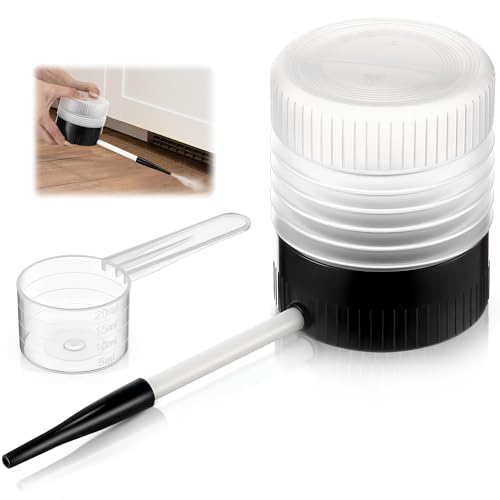
Designed for Diatomaceous Earth Powder Application: Specially designed powder duster for applying diatomaceous earth powder with controlled and even distribution. Helps improve coverage while reducing clumping and waste
No Improvement After 2 Weeks? Here’s What to Do
If you’ve seen no improvement after two weeks, it’s time to troubleshoot rather than keep applying diatomaceous earth (DE) blindly. First, verify that you have correctly identified the pest and its stage of life. DE works best when targeting active insects; eggs or hidden nymphs often survive initial treatments because they’re protected from direct contact. Next, check your application—moisture can ruin DE’s effectiveness because water interferes with its chemical reactions. Ensure the powder stayed dry in cracks and voids during application. If the environment has become damp, clean away the clumped material and reapply only when the area is dry.
Adopt an integrated approach by vacuuming thoroughly, sealing entry points, and reducing clutter or harborage areas where pests hide. Use traps to monitor activity and determine if pests are actually declining. Keep in mind that heavy infestations or pests with resistant life stages may require more time, so set realistic expectations. If you continue to notice new hatchlings or different pest types, consider escalating to a professional pest control service. Remember, DE isn’t failing; you may need to reassess your pest identification, placement, and overall strategy to ensure success.
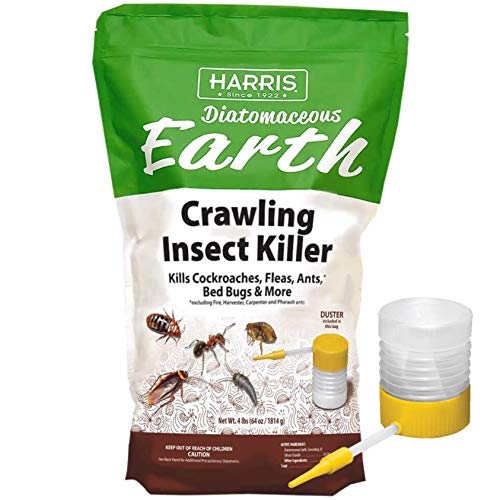
POWERFUL CRAWLING INSECT KILLER : Effectively kills a wide range of crawling insects including ants, bed bugs, cockroaches, fleas, earwigs, silverfish, and spiders. A natural solution for indoor and outdoor pest control without harsh chemicals.

SAY GOODBYE TO BUGS: Kill a wide range of crawling insects like roaches, ants, fleas, silverfish, and bedbugs with our indoor bug and roach killer for insect control

Natural and Effective Formula - Crafted from 100% pure diatomaceous earth and peppermint oil, ensuring safe and effective pest control for households
How Long Until DE Fully Controls an Infestation
Full control of a small infestation generally takes about one to two weeks under dry conditions. Once you apply diatomaceous earth, it begins affecting crawling insects within 24 hours through physical damage to their exoskeletons, leading to dehydration. Ants and cockroaches usually decline significantly within 3 to 7 days, while bed bugs and silverfish can take 7 to 14 days to show noticeable results. For complete eradication, especially in heavier outbreaks, reapplication is necessary every week for up to a month to target hatching eggs and hidden pests. Using a thin, even layer of DE without heavy piles speeds up progress, as clumps slow down the desiccation process. For chicken keepers, applying DE alongside top ag lime options can help maintain dry conditions that further enhance DE’s effectiveness against coop pests. Your goal isn’t instant elimination but achieving near-complete control within this two-week window. For chicken keepers, applying DE in the coop can also help manage mites and lice, similar to using a reviewed sweet heater option to maintain dry conditions that boost DE’s effectiveness.