

Wondering how to keep black soldier fly larvae alive and thriving? The key is maintaining the right environment — around 26 to 30°C with 60 to 70 percent humidity — while ensuring their substrate stays damp but not soaked.
With the right care, you can keep your larvae healthy and avoid common problems like overheating or overcrowding.
Keep reading for all the details you need.
Identify the Top Causes of BSFL Death
The top causes of black soldier fly larvae death are heat buildup, moisture imbalance, substrate contamination, overcrowding, and disease or pest invasion.
Heat buildup, whether from crowded bins or direct sun exposure, is a silent killer. Excess heat can cook the larvae from within, leading to rapid die-offs. Maintaining proper temperature levels and providing shade can prevent this. Selecting the best bulb for supplemental heat lamps can help avoid dangerous temperature spikes. For those raising both chickens and larvae, locating the bin near a chicken coop with run can naturally moderate temperature through shared shelter.
Moisture imbalance is equally problematic. Too much water in the substrate causes waterlogged conditions that drown larvae, while overly dry environments dehydrate and kill them. Regularly monitoring and adjusting moisture levels ensures optimal habitat conditions. Achieving the right moisture balance also depends on the quality of your feed, so choosing high-quality cracked corn as a base substrate can help maintain consistent hydration without clumping or rotting.
Substrate contamination from mold, excessive salt, or harmful chemicals introduces lethal toxins. These contaminants can quickly wipe out large portions of your colony. Use clean, quality feed sources and avoid introducing substances that could be toxic.
Overcrowding reduces oxygen flow and increases heat, both of which stress and suffocate the larvae. Space your bins adequately and avoid overloading to keep airflow and oxygen levels sufficient.
Finally, diseases and pests such as ants, spiders, and rodents can raid colonies, spreading pathogens or directly preying on larvae. Implementing predator control and maintaining clean, stable environments are essential to keep your larvae healthy and thriving.
Set the Ideal Temperature and Humidity for BSFL
The ideal temperature for black soldier fly larvae (BSFL) is between 26 and 30°C, and the optimal humidity ranges from 60 to 70% relative humidity. Maintaining these conditions creates a stable environment that promotes rapid growth and high survival rates. Temperatures below 20°C or humidity levels under 30% can significantly slow larval development and increase the risk of dehydration, so steady monitoring is essential. Use a thermometer and hygrometer to ensure consistent conditions and avoid large daily fluctuations. If you notice reduced activity or slower growth, check your enclosure’s temperature and humidity levels—they are likely too low or dry. Prioritizing even heat distribution and maintaining the humidity within the recommended range will support optimal larval development. For consistent results, consider using an incubator that provides precise temperature control, similar to those reviewed for quail eggs.
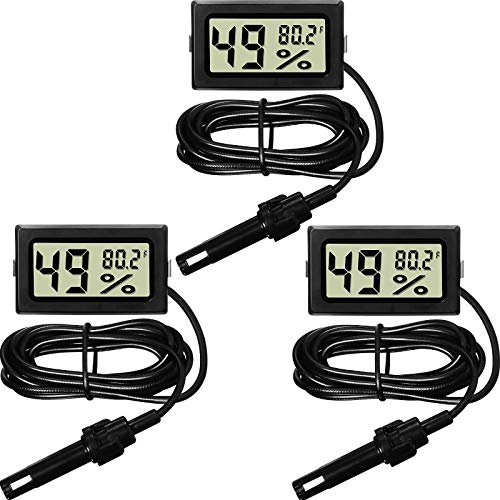
Package includes: you will receive 3 pieces digital thermometer hygrometers with accurate reading, you can use them for your multiple purpose

【Fahrenheit/Celsius】 The Thermometer Humidity Monitor can achieve the mutual conversion between Fahrenheit (°F) and Celsius (°C).Temperature measurement accuracy:±1.8℉, humidity measurement accuracy: ±3~5%RH.

Package includes: you will receive 3 pieces digital thermometer hygrometers with accurate reading, you can use them for your multiple purpose
Keep Substrate Moisture at 60–70% for Survival
Keep substrate moisture between 60 and 70 percent for healthy BSFL development. This range creates an optimal environment that supports rapid growth, efficient digestion, and easy movement through the feed. The substrate should feel damp like a wrung-out sponge—neither too dry nor dripping wet. If it feels drier, larvae will weigh less and will develop more slowly, similar to how a DIY PVC chicken waterer requires consistent moisture levels to function properly. Conversely, moisture levels above 80 percent can suffocate the larvae by limiting oxygen flow. To manage moisture, add fresh water if condensation appears, or mix in dry material if it becomes too wet. Studies show survival rates stay high—up to 98.2 percent at 70 percent moisture—while dropping sharply if moisture dips below 60 percent or rises above 80 percent. Avoid letting moisture fall to 30 percent, as performance rapidly declines. Keep the substrate consistently within this ideal range, and your larvae will thrive. For backyard chicken keepers, maintaining this moisture ensures the BSFL remain a high-quality, living feed, similar to how diatomaceous earth requires proper dry conditions to remain effective as a pest control aid. When you build your own chicken tractor, the mobile coop design helps manage substrate moisture by allowing easy access for tilting or rotating the unit.
Prevent BSFL Overheating With Airflow
To prevent BSFL from overheating, maintaining proper airflow is essential. Dense larval masses generate metabolic heat quickly, so you should use bottom-up fans to remove heat effectively within minutes. Adequate ventilation not only cools the larvae but also removes carbon dioxide and reintroduces oxygen, which helps keep the larvae healthy and prevents them from escaping in search of cooler conditions. Moderate airflow is key: it cools without disturbing the larvae’s feeding behavior. Rapid airflow suspends the larvae in mid-air, reducing feeding efficiency and potentially causing larval dispersion away from the feed. To optimize airflow, leave open space between stacked bins for free air exchange and tune the system to your colony size, since higher larval densities demand stronger cooling. Aiming for a temperature of 24 to 30 degrees Celsius supports ideal growth; if you notice larvae crawling away from their feed, it’s a sign that your airflow requires adjustment. For chickens, using high-protein layer feeds can similarly support health and egg production when paired with a balanced environment. Incorporating practical guidance from experienced backyard keepers can further improve your setup for both larvae and poultry. The same principle of correct spacing between stacked bins ensures consistent ventilation, much like how poly wire spacing on a fence charger maintains an effective electrical connection.

Reinforced Construction: The floor fan replacement base boasts a thickened design, sustaining heavy fan bodies without bending, making it ideal as a fan pedestal base for...
Avoid Overcrowding to Reduce Heat Stress
Overcrowding your BSFL bins can cause the temperature to rise rapidly past safe levels, even if the surrounding air feels cool. To prevent heat buildup, set a strict stocking density of about 1 to 2 larvae per square centimeter or 0.5 to 2 larvae per gram of food. Higher densities generate more metabolic heat, which can push the substrate temperature above 36°C, slowing larval growth and increasing mortality rates. Sustained exposure to temperatures near 42°C can be lethal to the larvae. Implementing a high surface-area-to-volume design, similar to a quail coop’s structure for ventilation, helps promote better heat dissipation in your bins. The design of your container plays a significant role. Use high surface-area-to-volume bins, such as trays measuring 60 by 40 by 15 centimeters, to promote better heat dissipation. Avoid deep containers that can create hot spots in the core. Monitoring the temperature is essential, especially as density increases. Regularly check the core of the bin to prevent unseen heat buildup. Match your stocking density to the type of feed; vegetable-based inputs require lower densities to avoid excessive heat. Keeping overcrowding in check helps maintain a stable environment, ensuring your larvae remain healthy and productive. Additionally, ensuring adequate cross-ventilation prevents moisture from accumulating and causing anaerobic conditions. Choosing the right coop toy can also encourage natural behaviors in your chickens, making their environment more engaging.
Use Moist Organics and a 1–5 Cm Feed Depth
Use moist organic feed at a depth of 1 to 5 centimeters. This shallow layer ensures your black soldier fly larvae can easily access the entire substrate, supporting healthy growth and high survival rates. The ideal moisture level is similar to a wrung-out sponge, maintaining around 60 to 70 percent moisture. If the feed is too dry, larvae will slow their feeding; if too wet, they may avoid the substrate or create anaerobic conditions. Monitoring moisture content is critical, just as it is for geese, where cracked corn requires careful management to avoid spoilage and health risks. For those who prefer custom builds for their feeding systems, similar attention to moisture and depth ensures the larvae remain active and healthy. Unlike the grit needed by chickens for digestion, black soldier fly larvae do not require any hard particles to process their feed.
Monitor the moisture by squeezing the feed—if it holds its shape without dripping, you’re on target. Excess water collects, leading to poor aeration and potential system failure. Avoid standing liquid, as proper drainage and airflow are essential. Keep the feed layer shallow enough for consistent access and aeration, which are key to maximizing larvae productivity and minimizing waste undigested byproducts.

BSFL from KBM Feeders are rich in Protein and Calcium.

Calcium Packed Chicken Treats: Strengthen eggshells with our black fly larvae for chickens bulk bag. With 4% calcium, 80x more than meal worms, our dried black soldier fly larvae worms for chickens help boost laying, for larger eggs with richer yolks

Up to 45% Protein for Stronger Flocks: Larvevo black soldier fly larvae for chickens provide up to 45% natural protein to support muscle growth, feather development, and consistent egg production. A nutrient dense chicken treat for healthy, active hens
Keep pH at 6–7 to Boost Larval Growth
Maintaining a pH of 6.0 to 7.0 is key to boosting larval growth. Because black soldier fly larvae can alter the pH of their feed as they develop, starting with a neutral or slightly acidic substrate ensures healthier and faster-growing larvae. While they can tolerate a wider pH range, beginning near neutral maximizes early survival and development. For example, adding diatomaceous earth to the substrate can help control competing parasites without harming the larvae. Avoid strongly acidic substrates below pH 4.0, which can reduce survival rates and weight gains by up to 23%. Use simple test strips to monitor the initial pH level of your feed. Adjust the pH if necessary before introducing the larvae. Over time, larvae naturally alkalinize their feed toward pH 9, but starting too acidic can stunt early growth. Focusing on this initial pH range improves not only larval health but also results in better prepupal weights and longer adult longevity. Maintaining the substrate within this range prioritizes robust growth and yields more productive larvae. Consider using a DIY brooder to maintain stable temperatures that support consistent pH levels. To keep your monitoring tools and handling equipment in good condition, you may also need heavy-duty wire cutters for snipping and re-securing mesh lids or screening over your rearing bins.
Store BSFL at 10–13°C Without Killing Them
Storing BSFL at 10–13°C effectively pauses their development without killing them. This temperature range slows larvae activity, reducing feeding and preventing pupation. It is crucial to keep the temperature tightly within these limits because fluctuations can either allow development to continue or cause stress and mortality. Household refrigerators often dip below this range or experience temperature swings, so a wine cooler is a better option for maintaining consistent conditions. Use a ventilated container rather than a sealed bag, as vacuum packaging can suffocate live larvae. Before storing, remove waste to prevent spoilage and maintain a cleaner environment. With these methods, you can keep larvae alive with less than 15% loss for up to six days. Do not extend storage beyond a week, as survival rates decline rapidly afterward. Regularly check the larvae for activity, and transfer them promptly into cool storage to safely pause their growth. Maintaining proper airflow and ventilation is key to preventing moisture buildup, which can otherwise lead to mold and accelerate spoilage during the storage period.
Spot BSFL Stress Early and Fix It
Spot BSFL stress early and fix it before losses increase. The first sign of trouble is changes in larvae behavior. Watch for larvae that stop feeding or become unusually lethargic. These are your primary indicators that stress is developing. Also, notice shifts in movement, such as reduced responsiveness or agitated clustering after light exposure. These signs often appear before visible damage occurs.
Environmental conditions play a big role in stress levels. Bright light is stressful because BSFL are photophobic; during checks, keep lighting dim to minimize stress. Loud noises above 85 decibels can also trigger agitation, altering their activity and slowing development. Regularly monitor and adjust the environment to prevent stress buildup.
If you spot lethargic or swollen larvae, separate them immediately for closer observation. Treat behavior as your main diagnostic tool. Quick detection allows you to respond by adjusting light levels, vibration, and handling routines to reduce stress. Acting early can prevent larger losses and keep your larvae healthy.
Fix Common BSFL Problems Fast
To fix common BSFL problems quickly, you need to act fast and tailor your adjustments to the issue at hand. For moisture imbalance, add dry cardboard to wet substrate or mist water onto dry substrate until it feels damp but not dripping. This helps maintain the ideal moisture level for larvae growth.
If poor airflow is the problem, fluff the material to reintroduce oxygen and prevent foul odors caused by anaerobic conditions. Overheating can be controlled by thinning the feed layer and moving the bins away from heat sources, helping to stabilize temperature.
Contaminated feedstock is toxic and should be inspected carefully before use. Always screen new materials to protect larvae nutrition. Pests or pathogens require rapid removal of dead larvae and a reduction in crowding to prevent spread.
Genetic factors also influence colony resilience. Sourcing robust stock ensures your bin is better equipped to handle stress and reduces the risk of recurring issues. Quick response is key—address problems promptly to keep your BSFL system running effectively.