

Wondering if your chicken coop needs insulation? It depends on your climate and conditions—insulation isn’t always necessary, but it becomes crucial during freezing nights, high humidity, or strong winds that cause dangerous temperature swings.
Properly managing ventilation and drafts often matters more than total warmth, helping keep your flock healthy and comfortable.
Keep reading to learn how to find the right balance for your coop.
When Does Your Chicken Coop Actually Need Insulation?
Insulation is necessary in your chicken coop when quickly losing heat becomes a concern, especially during prolonged freezing nights. Thin walls cannot retain warmth effectively, and drafts can cause dangerous temperature swings that stress your flock. Insulation helps slow heat loss, maintaining a more stable environment, particularly if your coop is exposed or often windy. Proper insulation selection depends on balancing ease of cleaning with moisture resistance to prevent mold and pest issues. However, insulation alone isn’t enough; you must also ensure proper ventilation to prevent moisture buildup, which leads to frost and bacteria growth inside the coop. In hot climates, insulation can also be beneficial to reduce overheating, especially when shade and airflow fall short. Consider adding insulation if your humidity levels stay above 70 percent or if your small coop with few birds tends to have unstable temperature conditions. For those on a budget, using cost-saving tips from a DIY feed bin project can help you gather affordable insulating materials like scrap foam or rigid board.

【SPECIFICATIONS】Dimensions: 157 in × 13 in × 0.2 in. Temperature resistance ranges from -20℃ to 160℃, making it suitable for various environments and applications

【SAFETY MATERIAL】✅ MRPAPA reflective insulation sheet is made of truly double Aluminum foil and polyethylene bubble. B2 fire-protection rating material- it can let your use it more relax. Convenient Use for window,attics,garage doors,wall,floor,RV insulation,around fireplaces,etc.

Reflective Window Insulation: Our rv window insulation is well-made, which is weight of 200 g / 10.76 sqft. It is of good material and long-lasting
Where to Install Chicken Coop Insulation First
Start insulating your chicken coop at the roof or ceiling directly above the roosting area. This is because heat escapes most easily through the top, and this zone accounts for the biggest heat loss in winter and heat gain in summer. Prioritizing insulation here provides the greatest benefit for your effort, helping to stabilize temperatures inside the coop. Be sure to use an insulation thickness that maximizes efficiency—thicker layers in this area outperform thinner applications elsewhere. Compatible materials, such as rigid foam board, work well under most roofing structures and help create an effective thermal barrier. Ducks kept in the same coop also benefit from absorption properties of bedding to manage moisture and ammonia. For removing old staples from existing coop structures, fastest ways to remove them can save significant time and effort. For quail keepers using a similar structure, the same insulation principles apply when selecting a quail egg incubator for optimal hatch rates.
After securing the roof or ceiling, move on to insulating the most exposed walls. In cold climates, focus on the north and east walls first, as winter winds hit them most directly. In hot climates, prioritize south and west walls to block afternoon sun and keep the coop cooler. Before adding insulation, always seal gaps around doors and windows to prevent drafts. Also, ensure that upper vents remain clear to facilitate moisture escape, maintaining good airflow and preventing dampness.

EXTREMELY EFFECTIVE - Reflects 95% of radiant energy, perfect RADIANT BARRIER. R17 insulation.

USA-MADE QUALITY - Manufactured in the United States using high-quality polyethylene foam, these metal roof foam closure strips are made for consistent density and reliable compression, helping create a secure seal. NOTE: ADHESIVES ARE NOT INCLUDED

Creative Foundation: The Juvale Insulation Foam Board Sheets provide a premium base for artistic endeavors, offering versatility in both foam board insulation and crafting foam blocks for imaginative projects. Their durable construction supports intricate designs and detailed artwork
What Insulation Materials Are Safe Around Chickens?
Rigid foam board insulation is safe around chickens only when it is fully covered with plywood or OSB. Exposed foam can attract pecking and pose ingestion risks, potentially harming your flock. Fiberglass batts are also safe only if completely enclosed behind a durable barrier; loose fibers can irritate your chickens’ respiratory tracts. Reflective foil insulation is a good choice for DIY projects because it can be fastened flat without wrinkles or tears, ensuring it stays bird-safe. Spray foam hardens into a solid, impenetrable surface, but it tends to be more expensive. Avoid leaving straw or blankets exposed as they absorb moisture, which can create a damp environment harmful to your chickens. Always seal soft or fibrous materials behind a sturdy barrier to make maintenance easier and keep your birds safe. For those seeking a low-maintenance feeding solution, an automatic chicken feeder with a timer can be paired with a top automatic chicken feeder to streamline daily care. When choosing a coop, selecting a model with quality and value can help ensure your investment lasts through changing seasons. Similarly, wire cutters are commonly called dikes in flock care, a term that underscores their utility for cutting and maintaining various coop fastenings and netting.
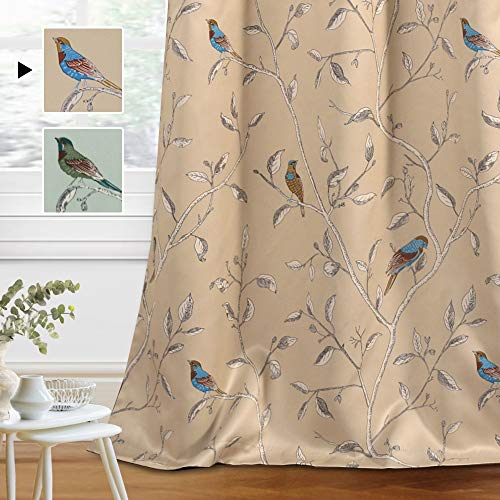
PAIR SET: Sold per pair including two(2) beautiful country rustic window panels. Panel measures: 52" W x 96" L | Set measures: 104" W x 96" L. Each panel has 8 antique metal grommets (with diameter 1 15/8") which perfectly fit up to 1 1/2" curtain rods

VELVET FLORAL DESIGN:Luxury velvet curatin drapes with Whimsical hummingbirds vintage floral patterns add a charming and whimsical atmosphere to a room,perfect for living room, bedroom, dining room, kitchen, farmhouse, office, Kids Room.

【Ready Made Drapes】: Each package includes 2 panels blackout curtains. Each Panel measures 52" Wide x 84" Long(Total width is 104"). Metal grommets (1.6” inner diameter) make curtains easy to install and slide (no tie back).
Why Ventilation Matters More Than Sealing Everything Up
Installing vents high above roost level—at least 12 inches below the roof eaves—is key for moisture control. This placement allows warm, stale air filled with humidity and ammonia to rise and escape naturally. As the air exits, it pulls in cooler, fresh air through lower openings, creating a continuous flow that sweeps out excess moisture and irritants before they condense on walls or irritate your birds’ eyes. In addition to proper ventilation, providing chicken grit supports digestion by helping birds grind feed in their gizzard. If you notice a smell of ammonia or see condensation on the walls, it’s a sign that your coop needs more ventilation openings. For persistent cold-weather moisture, a safe sweet heater can help maintain dry air without overheating the coop. While optimizing airflow, ensure any lower openings are fitted with hardware cloth to prevent rodent entry, as rats can compromise even sturdy barriers over time. Prioritizing proper airflow over sealing everything ensures a healthier, drier environment, which significantly reduces the risk of respiratory issues and mold buildup.

High-Quality Anti-Rust Process This hardware cloth is made from high-strength low-carbon steel wire, combining excellent strength with flexibility. After precision welding, the entire product undergoes a premium anti-rust treatment—hot-dip galvanization—with special reinforcement at all seams and corrosion-prone areas to ensure uniform, dense coating and outstanding rust resistance. This process grants the product superior weather resistance, making it an ideal choice for wire mesh fencing and long-term outdoor applications.

【Durable Material & Size】Our hardware cloth measures 16in x 50ft with a 1/2 inch square opening, made of 19 gauge hot-dipped galvanized steel. This hardware cloth 1/2 inch is strong, rust-resistant, and designed for long-lasting outdoor use

High-Quality Anti-Rust Process This hardware cloth is made from high-strength low-carbon steel wire, combining excellent strength with flexibility. After precision welding, the entire product undergoes a premium anti-rust treatment—hot-dip galvanization—with special reinforcement at all seams and corrosion-prone areas to ensure uniform, dense coating and outstanding rust resistance. This process grants the product superior weather resistance, making it an ideal choice for wire mesh fencing and long-term outdoor applications.
How to Tell if Your Coop Design Makes Insulation Worthwhile?
Next, look at your roof pitch. A steep roof creates more air space that heats up during the day and escapes at night, increasing heat loss in cold conditions. A roof with a pitch sharper than 45 degrees tends to lose heat more rapidly, especially in snowy environments. If your coop faces long, harsh winters, is in a windy location, or lacks natural shelter, adding insulation makes sense. Compact, well-built coops with solid construction and draft control benefit most from insulation upgrades, improving your chances of keeping your flock warm. However, if you use a still air incubator to hatch chicks, its internal temperature regulation is unaffected by the coop’s roof design. Additionally, a consistent supply of high-quality layer feed helps maintain body heat and egg production during cold weather. For further protection against external pests, food-grade diatomaceous earth can be applied to coop bedding to help control mites and lice.
What Mistakes Ruin a Chicken Coop Insulation Job?
Sealing the coop too tightly is a major mistake because you still need proper ventilation year-round. Insulation is not the same as air sealing; trapping moist air inside causes condensation, which makes the coop damper and less comfortable for your chickens. Ignoring moisture control, such as skipping vapor barriers on the warm side of the insulation, allows hidden damp spots to develop. These spots can ruin the insulation’s effectiveness and promote ammonia buildup from wet litter, harming your birds’ health. For extreme climates, you might also consider adding shade cloth over windows or runs to reduce heat buildup while maintaining airflow.
Poor placement, like neglecting to insulate the roof or leaving gaps around vents and joints, creates thermal bridges that reduce overall insulation performance. Lastly, never leave electrical parts or heat sources exposed or unsecured near chickens. Uncovered wires or improperly protected heat sources pose significant fire hazards, risking injury to your flock and damage to your coop.
Which Climate Category Fits Your Coop?
Your climate category determines whether your chicken coop needs insulation. In mild climates where the coop stays dry and drafts are minimal, insulation is often optional. However, in colder zones with temperatures below 0°F, adding insulation helps retain warmth and prevent drafts that could make your chickens uncomfortable. Be sure to also consider the structural strength of the coop to handle snow loads in these areas. In hot arid regions, insulation can reduce heat gain by insulating the roof and south- or west-facing walls, keeping the coop cooler during the hottest parts of the day. Humid subtropical climates demand careful moisture management; insulation combined with good ventilation prevents dampness and mold. For areas with large seasonal temperature swings, partial insulation—focusing on the roof and exposed walls—can provide balanced protection. Remember, even in a well-sealed coop, adding decorative accents and interior decor that don’t hinder ventilation can enhance comfort without sacrificing climate control. Your specific climate category guides your insulation strategy, ensuring your chickens stay comfortable year-round. For flocks of that size, reviewing the best chicken coop for 12 hens can help ensure your chosen structure meets both insulation and space requirements.

Heavy Duty Material,Effective for Protection—The clear see-through tarp is made of 16mil thick vinyl material,can withstand greater tensile strength,while enhancing the stability of clear tarp.Compared to other thin tarp, it is more effective to resist the bad influence of any weather conditions,windproof, waterproof, rainproof and snow proof, keeping your chicken coop and any covered spaces dry and warm.

Waterproof Material: Crafted from tear-resistant and translucent PE material, this chicken coop cover provides protection from rain, snow, and wind during winter. The translucent design allows sunlight in for warmth and visibility, while effectively insulating the coop to keep your chickens cozy and safe from the cold

Chicken Coop Heater: Keep your birds warm and prevent frostbite with Cozy Products Cozy Coop is a radiant heater that provides consistent, gentle heat without overheating your pets, making it ideal for outdoor coops and freezing winter temperatures.
Do Cold-Hardy Breeds Need Less Insulation?
Cold-hardy breeds do not eliminate the need for insulation. While these birds tolerate colder temperatures better because of dense feathers, heavy bodies, and small combs or wattles, proper insulation remains important in severe weather. Moisture buildup or drafts can still cause frostbite, even for hardy breeds like Wyandottes or Brahmas. Therefore, a dry, draft-free coop is essential to protect your birds from harsh conditions. Selecting a well-constructed chicken pen with run can also aid in managing ventilation and overall coop quality. For effective winter preparation, bracing the coop structure against wind is similar to bracing fence posts for stability.
In milder winters, you might get away with less insulation, relying on thick bedding and solid construction. However, insulating can reduce stress on your flock during unexpected cold snaps. Remember, hardiness does not mean immunity. Prioritize good ventilation and wind protection first, then add insulation if needed. Your resilient flock will forgive minor insulation omissions, but damp, drafty coops are a serious risk that no breed can withstand comfortably. Choosing the best chicken wire for your coop can also help maintain proper airflow and security.