

You might wonder if it’s safe to feed suet cakes to your chickens. The answer is yes, but only in moderation and with the right approach. Offering small, coin-sized pieces about once a week during cold weather can be a good treat.
This guide will help you understand safe serving sizes and how to make your own nutritious, toxin-free suet cakes.
Are Suet Cakes for Chickens Safe? The Complete Guide
Suet cakes are safe for chickens when given in moderation and prepared properly. They should only serve as an occasional treat rather than a primary food source. Making your own homemade suet cakes allows you to select organic ingredients and avoid additives or preservatives found in many store-bought options. This ensures better nutrition for your flock because you know exactly what they are consuming. For a similar approach to controlled feeding, consider how temperature stability in a quail egg incubator is critical for hatch rates, just as consistent, measured portions are for your chickens’ health. A top chicken coop with run provides a secure environment that supports controlled feeding routines, just as quality and value are key when selecting a coop for your flock. Keep portions small—about the size of a small coin—or a piece no larger than one inch square. Serve suet as a high-energy reward, not a meal replacement. Limit treats, including suet, to roughly 10 percent of your chickens’ total diet to prevent nutritional imbalances. Use simple recipes with unsalted fats like lard or coconut oil combined with seeds or grains. For those looking for easy access to feeding, a well-designed coop door can simplify your daily routine. Store your homemade cakes in the freezer, and offer a small piece for enrichment to keep your chickens healthy and happy.
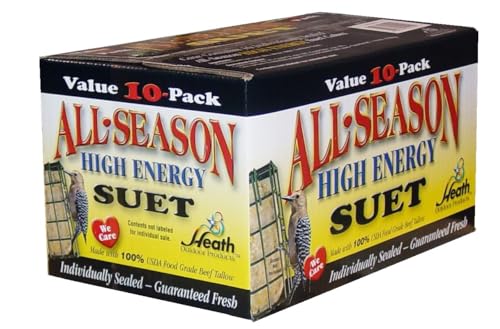
Pack of 10 all season suet cakes
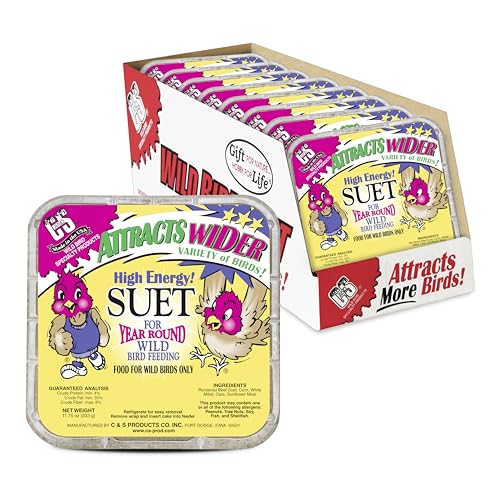
ECONOMICAL & EASY TO USE compared to traditional seeds. C&S High Energy Suet combined with a wire feeder offers a great value for today’s wild bird feeding customer.
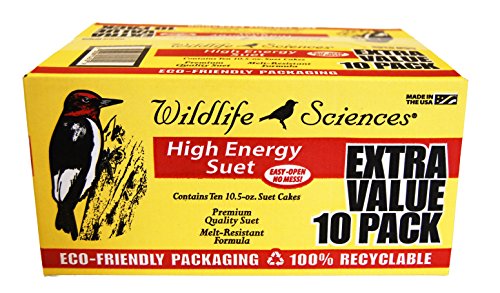
10 High Energy 10.5 oz. Suet Cakes. Approx. Size: 4.5” x 4.5” x 1”
What Are the Real Health Risks of Suet Cakes for Chickens?
Suet cakes pose significant health risks to chickens when overfed. Their high fat content, which can exceed 50% in many commercial products, quickly disrupts a chicken’s nutritional balance. This excess fat can lead to obesity, as it displaces essential nutrients like proteins, vitamins, and minerals needed for healthy growth and egg production. Moreover, consuming too much fat stresses their digestive system, causing issues like diarrhea, bloating, and reduced appetite. Internally, chickens risk liver strain and the development of fatty liver disease. There is also the potential for cardiovascular problems and reproductive decline if they are regularly fed suet cakes. Many store-bought suet cakes contain preservatives, pesticides, or mold that can be harmful. These additives may introduce toxins or irritants into your flock’s diet, further compromising their health. Before offering such treats, ensure your fence posts are well-maintained to prevent flock escapes. In contrast, diatomaceous earth is a natural powder that helps control pests and is safe when used properly around the coop. To accurately monitor your flock’s health and prevent overheating, using a reliable brooder thermometer ensures the brooder temperature stays within a safe range for baby chicks. Overall, suet cakes are more likely to harm than help, especially if given in excess or without moderation.
When and How Often Can You Offer Suet Cakes Safely?
You should offer suet cakes only during cold weather, ideally once a week at most. Winter is the safest time because the fat remains solid and doesn’t spoil quickly. In warmer months, the fat softens and can become rancid fast, increasing the risk of unhealthy feeding. Avoid offering suet in late spring, summer, or early fall when temperatures are higher. For the best application method, consider using a diatomaceous earth duster for safe and efficient dispensing. Using proper protective gear helps prevent inhalation of fine particles during the dusting process. This method is inspired by the cost-saving DIY approach used in building homemade mite sprays.
Feeding frequency should be limited to once a week. Providing suet daily can lead to overfeeding and digestive issues for your birds. Offer a small portion that they can finish within about half an hour, then remove any leftovers. During warmer weather, stop giving suet altogether. This approach ensures it remains a rare treat and doesn’t displace their balanced diet.
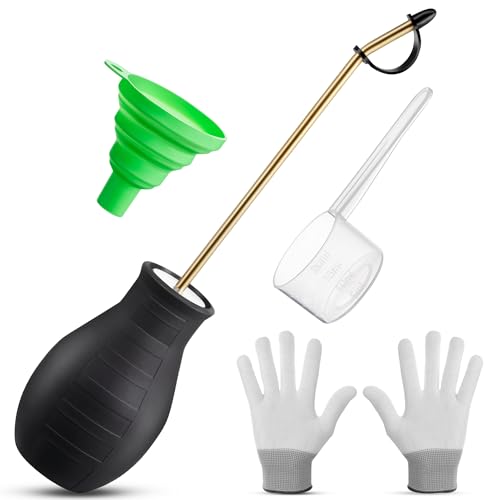
Easy to Use: use our diatomaceous earth duster to easily spray diatomaceous earth powder and avoid the mess of hand dusting for all your gardening and pest control needs; Each bulb duster has a quality silicone bulb reservoir and an extra long brass spray gun for spreading powder into corners and other hard to reach areas; It also includes an easy to use collapsible funnel that can easily refilled between uses without spilling powder, It is very convenient to use

【Effortless Pump System】Replace traditional bulb dusters with a pump dust applicator that delivers continuous airflow using significantly less grip force. This efficient powder applicator and dust applicator reduces hand fatigue making this pump sprayer, plant duster, and garden duster ideal for extended indoor and outdoor powder applications such as gardens, warehouses, chicken coops, and outdoor treatment areas.

Precise Powder Application: Ditch messy hand-sprinkling. Our diatomaceous earth duster delivers diatomaceous earth and other dry powders exactly where needed, making it ideal for cracks, crevices and hard-to-reach areas.
How to Make Safe Homemade Suet Cakes for Chickens
To make safe homemade suet cakes for chickens, you’ll need 1.5 to 2 cups of rendered tallow, lard, or coconut oil. Melt the fat until it becomes liquid, then gradually stir in dry ingredients like black oil sunflower seeds, whole grains such as oats or cornmeal, dried fruit, and mealworms. This process helps create a mixture that is thick and scoopable, making it easy to mold. Automatic waterers can help keep fresh water available alongside these fatty treats. Once well combined, press the mixture firmly into muffin tins or molds to shape it. Chill the cakes in the fridge until they are fully solid, which usually takes a few hours. Proper storage is key: keep unused cakes chilled or freeze portions to extend their shelf life. Wrapping these cakes in airtight packaging prevents odors from transferring and keeps them fresh. To ensure they last longer, avoid moist ingredients, as moisture can cause spoilage, especially at room temperature. Making small batches is recommended to reduce waste since these cakes tend to soften and degrade more quickly once exposed to warm air. You can use recycled pallet molds to shape and hold the cakes for convenient feeding. Note that unlike medicated chick starter, suet has no medication dosage to measure, so always focus on fat quality and ingredient freshness.

Food Grade Silicone: mini silicone square mold is made of food grade silicone, BPA free. Oven-safe up to 450°F, and compatible with microwaves, air fryers, and dishwashers for versatile use.
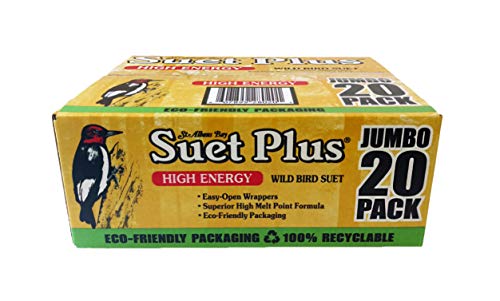
High Quality 11 oz. Suet Cakes. Approx. Size: 5” x 5” x 1”

Simulation Chicken Leg Design: These food molds are designed in a realistic fried chicken leg shape and chicken resin molds are great for creating sweetness and adding to the festive atmosphere. Perfect for party use. Delicate design and clear texture of 3d chicken silicone mold make your work more vivid.
Which Ingredients Must You Avoid in Chicken Suet Cakes?
Avoid chocolate, avocados, onions, and garlic in chicken suet cakes. These ingredients are toxic to chickens and can cause seizures, anemia, or heart failure. It’s also best to skip added salt, caffeine, and artificial flavors, as they can harm your flock’s health. Commercial suet cakes often contain preservatives, hydrogenated oils, or processed fillers, which can be less safe than homemade options. Always check ingredient labels carefully and reject any products with candy-like coatings, unclear ingredients, or artificial additives. When choosing your feeding setup, remember that selecting the right wheel for your chicken tractor can improve mobility and ease of cleaning. Stick to simple, chicken-safe ingredients to keep your birds healthy and happy.