

Figuring out how long to feed chick starter can feel confusing, especially when you want your chicks to grow healthy and strong.
Typically, you’ll feed them chick starter for about six to eight weeks, until they are fully feathered and weigh around 1.5 to 2 pounds.
Knowing exactly when to switch helps support their growth without upsetting their digestion.
Keep reading for the full timing details.
What Is Chick Starter Feed? (And Why It Fuels Rapid Growth)
Chick starter feed is a specially formulated diet designed for the first few weeks of a chick’s life. It typically contains 18% to 22% crude protein, providing the essential amino acids needed for rapid muscle, feather, and skeletal development. The lower calcium content supports growth without overwhelming their immature organs. Because chicks grow faster during this initial period than at any other stage, this precise nutrient balance ensures they receive enough energy, vitamins, and minerals to sustain their explosive growth phase. The feed is usually finely crumbled or mashed, making it easy for tiny beaks to pick up and swallow, which encourages consistent intake. As a complete diet, starter feed requires no additional supplements, and it also promotes immune system development and organ health, laying the foundation for strong, healthy growth into adulthood. For owners planning to take their birds outdoors, finding the best chicken harnesses can ensure safe exploration. To further reduce costs, some keepers build their own DIY feed bin to store bulk starter feed safely and affordably. A comfortable perch height at night encourages chicks to rest properly, supporting their rapid growth rate.
How Long Do Chicks Need Starter Feed? The Standard Rule
You should stop feeding chick starter at 6 to 8 weeks. This period covers most backyard flocks, particularly dual-purpose breeds. During this time, chicks have grown enough to transition to grower or finisher feeds. You do not need to worry about flavoring the feed, as chicks naturally accept the starter’s taste. Always check your feed’s packaging for specific instructions, because some starter-grower blends can be used up to 16 to 18 weeks. Fast-growing meat breeds tend to need a shorter period, while heritage breeds may stay on starter longer. To ensure a secure enclosure, quality wire cutters are essential when building your chicken wire run. Stick with the 6-to-8-week guideline unless your product label specifies otherwise. Avoid switching too early while growth is still rapid to ensure proper development. Ensuring your flock has adequate access to a run supports healthy exercise during this growth phase. For optimal egg production later on, consider transitioning to a top layer feed that provides the right balance of calcium and protein.

COMPLETE STARTER FEED FOR CHICKS: Specifically formulated for chicks from hatching to 16 weeks, this non-medicated chick starter feed delivers balanced nutrition and essential nutrients to support strong, healthy early growth and development.

MEDICATED CHICK STARTER FEED: This complete chicken feed is made with added Amprolium to aid in the prevention of coccidiosis, and contains 18% protein for weight gain, our chicken food is essential for your young birds.

Strong Growth and Vitality - With 20.5% protein from organic grains, this feed supports muscle development, bone health, and soft, fluffy feathers, giving your baby chicks and ducklings the nutrients they need to thrive.
When to Switch From Starter to Grower Feed: the 6-To-8-Week Sweet Spot
The ideal time to switch from starter to grower feed is at 6 to 8 weeks, depending on your chicks’ development. You’ll recognize they’re ready when they are fully feathered and weigh about 1.5 to 2 pounds. Genetic differences among breeds can influence how quickly they mature, so don’t rely solely on age. At this stage, reduce the protein content from 20-22% down to 15-18%, which supports steady skeletal growth without encouraging early weight gain. Maintaining consistent feeding frequency during the transition is important. When selecting your feed, you should also consider whether medicated or unmedicated starter best suits your backyard flock’s needs. You can strengthen their health further by using the best poultry dewormers if worms are a concern. Serving the feed in a sturdy, well-anchored feeder prevents spills and keeps the transition area clean.
To switch smoothly, introduce the new grower feed gradually over 7 to 10 days. Start with a mixture of 75% starter and 25% grower feed, then move to 50% each, then 25% starter and 75% grower, and finally serve only grower feed. This incremental approach helps prevent digestive upset and keeps your chicks eating well during the transition.

Healthy and Natural Growth – Our nutritionally complete whole grain starter mash with 17% protein promotes strong development and growth in chickens and ducks. Fermentable. Corn-free. Soy-free.

Healthy and Natural Growth – Our nutritionally complete whole grain starter mash with 17% protein promotes strong development and growth in chickens and ducks. Fermentable. Corn-free. Soy-free.

Whole Grain Based - No Byproducts.
Can You Switch Chicks to Grower Feed at 3 or 4 Weeks?
You should not switch from starter feed to grower feed at 3 weeks. At that age, your chicks still need the higher protein levels in starter feed, which range from 18 to 20 percent. This supports their rapid early growth and skeletal development. Moving them too soon can hinder their development and increase the risk of health issues. Proper nutrition at this stage can also be supported by offering chicken grit to aid digestion. Additionally, choosing the best straw for your chicken coop can help maintain a dry and sanitary environment that further supports healthy growth.
Switching at 4 weeks remains risky because grower feed typically contains about 15 to 18 percent protein, which might not fully meet the nutritional demands of your growing birds. Even if they seem advanced, their frames and feathers are still forming, and they benefit from the nutrient-dense starter feed.
Most guidelines recommend waiting until at least 6 weeks before transitioning to grower feed. Doing so helps ensure steady, healthy growth and minimizes the chance of developmental problems. While some fast-growing breeds might appear ready earlier, it’s safer to follow the recommended timeline to protect their long-term health. Understanding feed options for different life stages involves considering all flock feed as a versatile alternative for mixed-age groups.

Non-GMO, Corn & Soy-Free: Made with high-quality ingredients to support healthy chick growth. This starter chick feed is free from genetically modified organisms and soy, ensuring a cleaner and more natural diet. A great choice for poultry owners looking for chick feed that prioritizes wholesome nutrition.

Prebiotics and Probiotics - Supports immune and digestive health
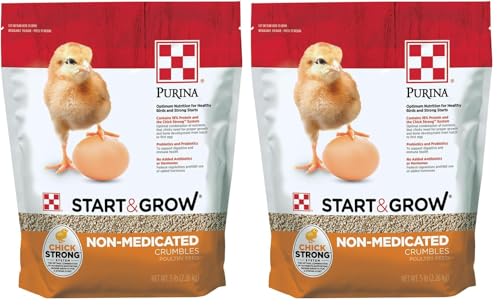
The information below is per-pack only
How to Transition From Starter to Grower Without Upsetting Their Guts
To transition from starter to grower feed without upsetting your chicks’ guts, follow a gradual blending process over 7 to 14 days. Begin by mixing 75% starter and 25% grower for the first few days. Then, shift to a 50/50 mix, and eventually reduce starter to 25% before switching entirely to grower feed. This slow adjustment helps maintain nutrient balance and prevents digestive upset caused by sudden protein drops. Keep the same feeder and feeding schedule throughout the transition to minimize stress. Watch their droppings—firm with white caps are normal. If droppings become loose or watery, slow down the transition by returning to a higher ratio of starter. Monitor your chicks’ appetite; if they refuse the new mix, proceed more slowly. Behavioural cues like active feeding and steady intake indicate a smooth change. Sticking to this 7 to 14-day plan ensures their guts can adapt without problems. Just as you maintain consistent sharpness on cutting tools for clean results, keeping your blade edges properly maintained ensures efficient, stress-free feed management. For similar precision in environmental control, consider how temperature regulation in incubation directly impacts hatchling health and early feeding success. Using a clamp heat lamp can provide consistent warmth that supports digestive health during the transition.
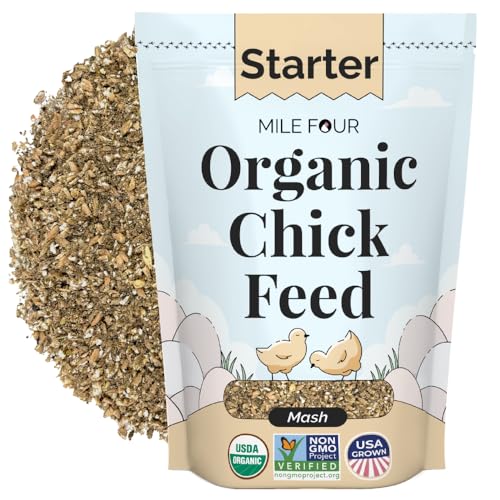
100% USA GROWN, ORGANIC, NON-GMO GRAINS: 100% of grains are certified Organic, certified Non-GMO, corn-free, soy-free (soy & corn fillers can lead to vitamin & mineral deficiencies), non-medicated, grown on local, U.S.A. family farms & milled fresh
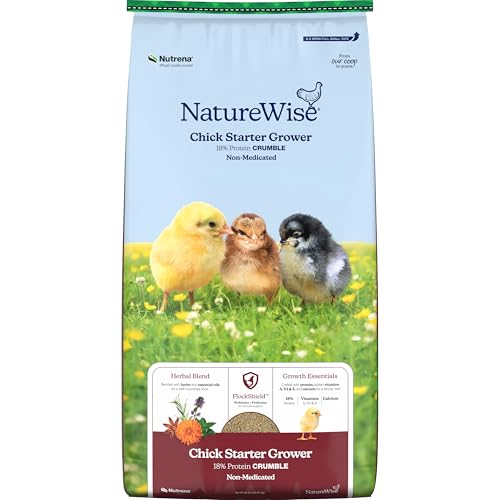
FlockShield Healthy Flock Support our unique ingredient mix helps maintain a healthy gut and strengthen the immune system
FlockShield Healthy Flock Support our unique ingredient mix helps maintain a healthy gut and strengthen the immune system
Why Some Breeds Stay on Starter Feed Longer (and Others Switch Earlier)
The age at which your chicks switch from starter feed varies based on their breed and growth rate. Fast-maturing light breeds like Leghorns typically transition around 6 weeks because they reach feathering and body development milestones sooner. Switching them earlier prevents overspending on higher-protein finisher feeds, which aren’t necessary once growth slows. Heavy heritage breeds such as Brahmas, on the other hand, benefit from staying on starter longer, often up to 8 weeks, since their larger frames require that extra protein for proper skeletal development. For chicks raised in a properly designed brooder box, maintaining a clean and spacious environment supports their nutritional needs. Dual-purpose breeds like Rhode Island Reds usually fall in between, often shifting feeds between 6 and 8 weeks depending on their individual growth. Ensuring access to clean water cups also supports healthy feed intake during this transition. Always observe your chicks’ development rather than following a strict schedule, as hatchery practices may influence optimal timing. A brooder plate provides a consistent heat source during this critical early growth period, helping ensure healthy development regardless of breed.
When to Switch to Layer Feed: Wait for the First Egg
The first egg is your clearest signal to switch from chick starter to layer feed. Typically, this occurs around week 16, although some breeds may lay as early as week 14 or as late as week 20. When you spot that first egg, it confirms her reproductive system has activated and she is ready for layer feed. Start checking nest boxes regularly around this time so you don’t miss the initial laying.
Once you find that first egg, begin transitioning the entire flock gradually over several days. Mix a small portion of layer feed into the starter feed, increasing the layer feed percentage each day. This slow switch helps prevent digestive upset and allows hens to adjust comfortably. Even if others haven’t started laying, switch the flock once you see the first egg. Your goal is to be fully on layer feed by the time most hens are laying eggs, ensuring they receive adequate nutrients for consistent production. During this transition, maintaining proper ventilation in your coop can help keep the air fresh and comfortable for your maturing flock. To support this new feeding routine, ensure your hens have consistent access to fresh water without daily refills.
What Happens If You Keep Chicks on Starter Feed Too Long?
Keeping chicks on starter feed too long puts unnecessary strain on their kidneys and liver because they have to process higher protein levels for an extended period. This sustained overload can create internal metabolic stress, which may compromise their overall growth and health. As a result, when it’s time to transition to grower feed around 6 to 8 weeks, if delayed, the pullet may become overweight and struggle to reach peak productivity smoothly. Making the switch at the appropriate age helps prevent developmental imbalances and reduces the risk of organ strain, supporting healthier growth and a better start toward laying season.

Non-GMO: Made with high-quality ingredients, including oregano and ground grains, to support healthy chick growth. This chick feed starter is free from genetically modified organisms, ensuring a cleaner and more natural diet. An excellent choice for poultry owners looking for chick feed that prioritizes wholesome nutrition.
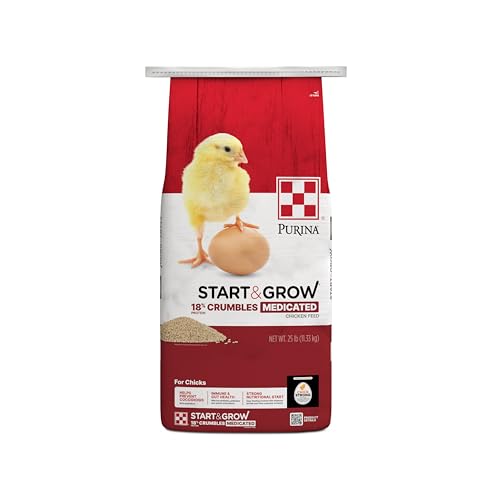
Prebiotics and Probiotics - Supports immune and digestive health
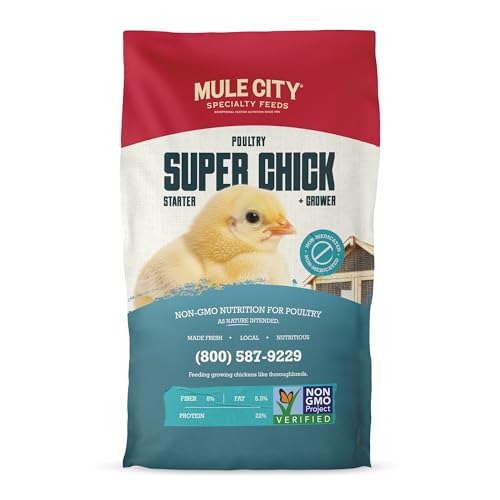
GROWER FEED FOR YOUNG POULTRY: Mule City Natural Super Chick Grower Feed is designed for chicks and young birds transitioning from starter feed into the grower phase, providing a dependable feeding option during important growth stages. It supports steady development during critical growth periods while fitting easily into structured poultry feeding routines.
Check the Feed Bag: It Overrides All General Timing Advice
The feed bag’s instructions always take precedence over general timing advice. Check the label carefully because the formulation determines the exact length of feeding. For instance, a starter-only feed might be suitable until about 6 weeks, while a starter/grower formula could extend up to 18 weeks. Each bag is designed for specific growth phases and flock types, so ignoring this guidance can disrupt your birds’ nutritional balance.
Layer chick feeds often specify an age range, such as “day one through week 18,” whereas broiler feeds are usually aimed at achieving market weight rather than fitting a set age. Never assume that different “starter” labels are interchangeable; always read the exact age, product name, and any special instructions like “medicated” or “sole ration.” Remember, the precise instructions on the bag override all general advice, so use it as your main reference for when to switch feeds.