

Figuring out what to feed your laying hens can seem tricky, especially when you want healthy, strong eggs and vibrant birds.
The key is offering the right balance of nutrients like protein and calcium, while keeping treats and treats intake in check.
Stick with me, and I’ll guide you through the essentials to keep your chickens thriving.
Switch to a Complete Layer Feed at 18 to 20 Weeks
Switching to a complete layer feed at 18 to 20 weeks is essential as your pullets approach laying. You should start the transition gradually over 4 to 10 days to prevent digestive upset. Begin by mixing 75% old feed with 25% new layer feed, then gradually adjust to equal parts, then 25% old feed with 75% layer feed, and finally to 100% layer feed. Look for signs of readiness, such as redder combs and wattles or interest in nest boxes, before making the switch. Avoid rushing the process; always align feeding schedules with your flock’s maturity rather than a specific calendar date. When the oldest birds in the flock are nearing lay, move the entire group together to maintain consistency, but do not switch pullets under 14 weeks. Providing clean water and grit during this transition supports digestion and nutrient absorption. Ensuring your flock has a quality coop with run can reduce stress during the feeding transition. For example, age or season guidelines can help you confirm when pullets are truly ready for the switch. Using an appropriate brooder heat lamp ensures pullets remain warm and unstressed, which is critical during dietary changes.

COMPLETE STARTER FEED FOR CHICKS: Specifically formulated for chicks from hatching to 16 weeks, this non-medicated chick starter feed delivers balanced nutrition and essential nutrients to support strong, healthy early growth and development.

Rich yellow yolks - A high level of xanthophyll, a coloring agent derived from marigolds, produces deep yellow egg yolks

PREMIUM CHICKEN FOOD FOR LAYING HENS WITH OMEGA-3: High-quality chicken layer feed made for strong egg production; fortified with chicken feed omega 3 & extra chicken feed calcium to support healthy shells & provide complete daily nutrition for your hens
The Core Nutrients: Protein, Phosphorus, and Energy
Focusing on protein, phosphorus, and energy is essential for optimal egg production. Aim for a protein level of around 16-17%, but be prepared to adjust based on feed intake and the hens’ age. Available phosphorus should be targeted at approximately 0.35-0.45%; adding phytase can help release more phosphorus from plant sources. Energy content in the feed typically ranges from 2,700 to 2,900 kcal per kilogram and influences how much your hens will eat. For example, post 18 weeks of age, brown-egg laying hens typically consume approximately 100-105 grams of feed per day, so energy density directly impacts their daily nutrient intake. Using a reliable incubator ensures that fertile eggs from your best layers hatch successfully, much like a quail egg incubator maintains precise conditions for embryo development.
These nutrients do not act in isolation. They form a balanced package where interactions between them matter greatly. Without sufficient energy, your hens may burn protein for fuel rather than using it for egg production. Proper feed formulation ensures these nutrients work together efficiently, preventing waste. For long-term stability, the ground where your feed storage is located should be level and firm, much like the correct spacing required for grounding stakes to hold up. To further reduce feed costs, consider building your own storage using a DIY feed bin to protect your investment from rodents and moisture. Remember, focusing solely on calcium overlooks the nutrients directly linked to laying performance. Check your feed tag to verify that it supplies adequate protein, available phosphorus, and metabolizable energy to maintain consistent egg production.
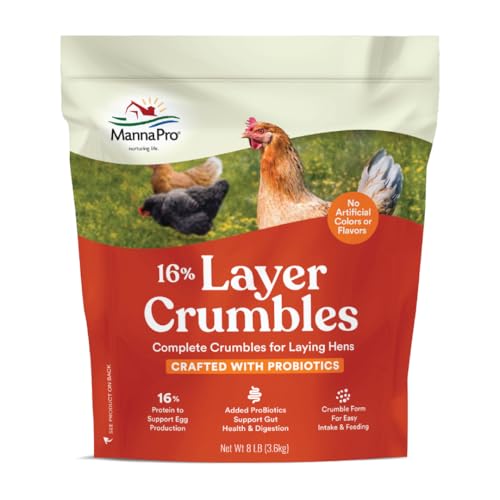
COMPLETE CHICKEN FEED FOR LAYING HENS: Manna Pro Chicken Feed delivers complete nutrition designed for laying hens, supporting strong egg production, healthy feathers, and overall wellness; balanced formula helps maintain optimal health in backyard flocks

MEDICATED CHICK STARTER FEED: This complete chicken feed is made with added Amprolium to aid in the prevention of coccidiosis, and contains 18% protein for weight gain, our chicken food is essential for your young birds.
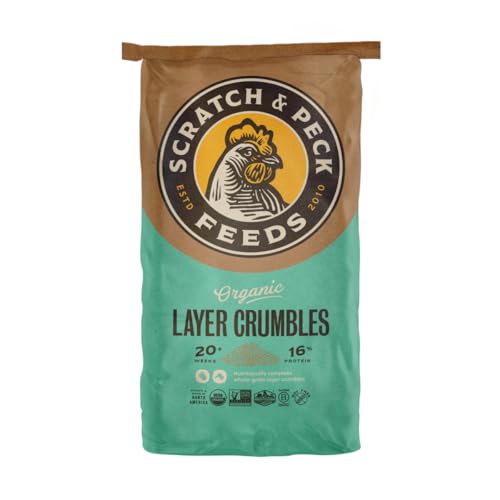
Boosts Egg Production - Packed with 16% protein from organic grains, this feed is a great way to lavish your laying ladies and fully support their overall health and happiness, ensuring a thriving flock.
Calcium: The Secret to Strong Shells (and How to Boost It)
Calcium is essential for producing strong eggshells, with each shell requiring about 2 grams of calcium. During peak laying, your hens need approximately 4 to 5 grams daily to support this process. To ensure optimal calcium absorption, provide coarse particles like crushed oyster shell or limestone. These materials dissolve slowly, supplying calcium steadily throughout the night when shell formation is at its peak. Offering supplemental calcium in a separate container, placed especially in the afternoon, allows hens to self-regulate their intake. Reviews of the top oyster shell options often highlight particle size as a key factor for consistent nighttime calcium release. Vitamin D is crucial because, without it, calcium cannot be effectively utilized, even if sources are plentiful. For convenience, you can find oyster shell feeders designed to keep calcium clean and accessible. Late-phase layers especially benefit from a higher calcium diet—research indicates that increasing calcium to 4% improves shell strength. However, too little calcium results in thin, brittle shells, while excess calcium can adversely affect non-laying hens. Unlike ducklings, which can eat dried mealworms only in moderation due to high protein content, layer hens have different dietary priorities that focus on steady calcium supplementation.
Treats and Scraps: The 10% Rule You Can’t Ignore
Treats should make up no more than 10 percent of your hens’ daily intake. Since a hen typically eats about 0.25 pounds of feed each day, this means roughly 2 tablespoons of treats per hen. It’s essential to practice careful portioning because a handful meant for a small flock can easily surpass this limit. Stick to safe options like leafy greens, cucumbers, and plain cooked grains. Avoid giving moldy, greasy, or sugary leftovers, as these can harm your flock’s health. For efficient removal of old posts, consider that similar rhythmic force can be applied when detaching stubborn fence posts, though your hens will never need such pulling techniques. Always offer layer feed first, then measure your treats carefully. Providing a proper coop design can also help keep your hens safe and stress-free. It’s best to give treats within a 20-minute window, ensuring your hens finish them quickly. If you notice a decline in eggshell quality, it’s a sign you might be overfeeding treats or scraps. Keeping to the 90/10 rule helps prevent nutrient dilution—filling your hens with low-nutrient leftovers rather than balanced nutrition. For applying the fine powder around coop areas, choose diatomaceous earth dusters that deliver quality and value for consistent pest control.

100% Chemical-Free: Made from 5lbs of food-grade freshwater diatomaceous earth with no additives or fillers. Safe for use around children and pets when used as directed.

Light Dusting: Spreads diatomaceous earth evenly and efficiently on flat surfaces

100% Chemical-Free: Made from 10lbs of food-grade freshwater diatomaceous earth with no additives or fillers. Safe for use around children and pets when used as directed.
Why Free-Choice Oyster Shell Beats Mixing It Into the Feed
Offering oyster shell free-choice is essential because a laying hen’s calcium needs increase sharply during shell formation. Providing it separately allows each hen to regulate her intake precisely, matching her egg cycle. When you mix the shell into feed, every bird—including non-layers—consumes the same amount of calcium, which can lead to over-supplementation and potential health issues. By keeping oyster shell accessible at all times in a dry, separate feeder, the hardworking layers can get the calcium they need for strong shells without disrupting the flock’s overall diet. This approach is especially beneficial in mixed flocks, where pullets and roosters do not require extra calcium. For additional protection against predators, consider pairing this setup with electric netting to safeguard your poultry while they access their separate feeders. A solar-powered fan can also help keep the feeder area dry and well-ventilated, preventing the oyster shell from clumping and remaining palatable. Furthermore, unlike some pest control methods, oyster shell poses no risk to your setup when kept dry and separate, as it does not introduce moisture or attract unwanted insects that could compromise the health of your flock.
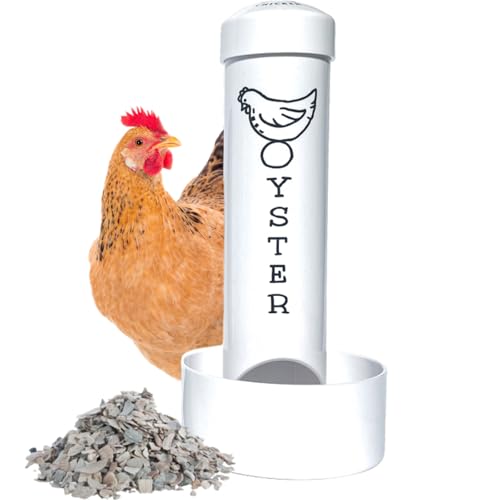
May improve the hardness and durability of egg shells

Essential Calcium Supplement: Pecking Order Oyster Shell is a rich source of calcium, crucial for the development of strong and sturdy eggshells. Adequate calcium intake helps prevent common issues like thin or brittle shells, ensuring your eggs are consistently high quality.

Optimal Health and Egg Production - Enriched with 16% protein from organic grains, this feed provides a balanced and complete diet for laying chickens and ducks, promoting growth and nutritious, supports strong eggshells
Adjust Your Layer Feed for Hot Weather and High Egg Production
In hot weather and during high egg production, boosting the energy density of your layer feed is essential. Heat naturally reduces hens’ feed intake, so increasing energy density helps meet their nutritional needs without encouraging overeating of excess fiber or weight gain. Adding vegetable oil or fat can replace about 10 to 15 percent of carbohydrate energy, which lowers metabolic heat produced during digestion and helps hens stay comfortable. Since layer feed is specifically formulated to support consistent egg laying, it already provides a balanced foundation for these adjustments. For chicks raised at the same time, maintaining optimal brooder warmth also supports their growth, as a stable brooder temperature is crucial for their early development. When supplementing protein, consider that black soldier fly larvae offer a more durable and cost-effective option compared to housefly larvae for backyard flocks.
It’s also critical to balance amino acids precisely, particularly digestible lysine at around 0.72 to 0.80 percent and methionine at 0.35 to 0.42 percent. Maintaining proper amino acid levels supports egg mass and hen health even when they eat less. Adjust your feed formulations to contain about 4.5 to 5 percent calcium to safeguard shell quality in hot conditions.
Timing feeding for cooler parts of the day enhances feed intake and comfort. Offer roughly 30 to 40 percent of your daily ration early in the morning, then provide the remaining amount in the late afternoon or early evening. Adequate water management is also vital: ensure the water is cool, clean, and readily available, as water directly influences feed consumption and overall performance.

8an braided fuel line kit widely used as transmission oil cooler line, fuel return line, fuel supply line, coolant fluid hose, fuel gauges line, vacuum line, turbo cooler line, oil feed line.

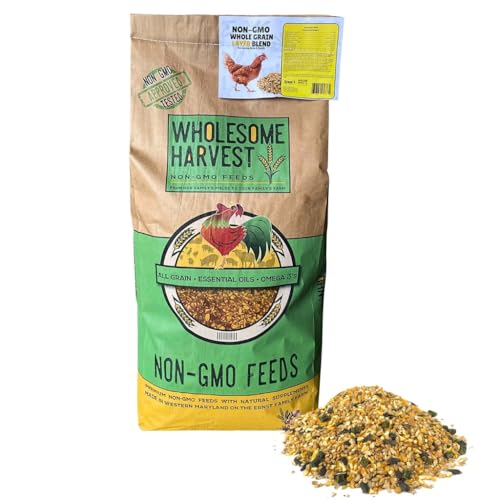
LAYER BLEND: Our Non-GMO layer mash is a complete feed fortified with minerals and additional calcium, ensuring quality eggshells. This blend of cracked grains includes probiotic for digestive health and higher omega 3 levels from linseed (flax) oil. Ideal for supporting your flock's overall health and egg-laying productivity.