

If you’re worried about mites or other pests in your flock, knowing how to properly use diatomaceous earth can make a real difference. It’s a natural, safe method to help keep your chickens healthy and pest-free.
By the end of this, you’ll understand the best way to dust your birds and their coop for maximum safety and effectiveness.
Where to Apply Diatomaceous Earth on Your Chickens for Mites
To effectively apply diatomaceous earth (DE) on your chickens to target mites, focus on the areas where parasites hide. Start by gently dusting under the wings and around the vent. Aim for a light, even coating that reaches the feather base, where mites cling close to the skin. Avoid caking the powder, as a thin layer works best for distribution and safety. For the coop environment, consider adding a sturdy dust bath to let chickens self-treat. A metal shed provides a non-porous surface that is easy to clean and helps prevent moisture buildup. Using galvanized hardware cloth for the coop’s ventilation openings adds durable predator protection without compromising airflow.
Next, work a small amount into the hidden areas along the back, breast, and neck. Rub the DE into the dense feathers to ensure contact with mites moving near the skin. Pay special attention to densely feathered regions that provide shelter for parasites. Use a controlled puff to prevent getting DE into your chicken’s ears or eyes, and keep the bird calm during the process. Applying DE in the evening uses a calm, evening application to reduce stress on the flock.
Since moisture neutralizes diatomaceous earth’s effectiveness, make sure your chickens are completely dry before applying. This helps DE stay dry and causes it to work more efficiently against mites. Regular, light dustings in these targeted areas can help control infestation and keep your flock healthier.
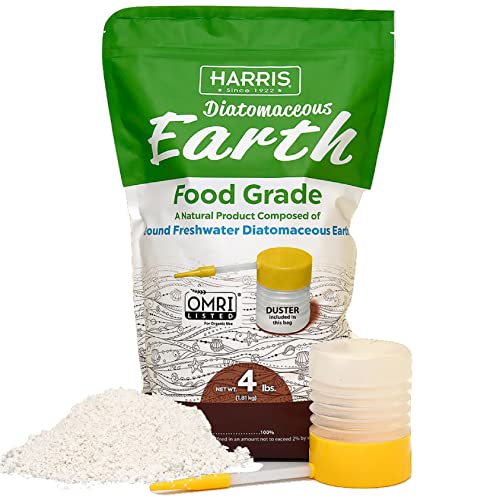
Natural Product - Composed of 4lbs of 100% ground freshwater diatomaceous earth with absolutely no additives or fillers.

✅ OMRI Listed for Organic Use – Certified by the Organic Materials Review Institute, ensuring compliance with strict organic standards for safe gardening and farming.

Natural and Effective Formula - Crafted from 100% pure diatomaceous earth and peppermint oil, ensuring safe and effective pest control for households
How to Treat the Coop, Nest Boxes, and Dust Baths With DE
Thorough cleaning and drying of the coop are essential before applying DE to ensure its effectiveness. Moisture neutralizes DE, so focus on removing any wet bedding, manure, or spills. When cleaning, pay special attention to cracks, crevices, and perches where mites and other pests tend to hide. Use a stiff brush or scraper for stubborn debris, and allow all surfaces to dry completely—this prevents clumping and maximizes DE’s ability to adhere and work effectively. For optimal results, combine DE with a dry environment, as coop insulation helps maintain low humidity and prevents moisture buildup.
For application, lightly dust fresh bedding and nest boxes with about 1 to 2 ounces of DE per nest box. Spread it evenly to cover all surfaces, including corners and hidden spots where parasites can thrive. For an extra layer of protection, consider pairing DE use with a top heat bulb to keep the coop dry and warm. Regular reapplication may be necessary to maintain pest control.
In addition, controlling flies begins with keeping the coop dry and clean. Remove manure and wet bedding promptly, and maintain good ventilation to reduce moisture and discourage fly breeding. This dual approach of cleanliness and targeted DE use helps keep your coop free of pests and healthier for your chickens.

100% Food-Grade & Safe – Free from additives and chemicals, ensuring a pure and natural product.

Supports Healthy Feathers & Skin: This 20-pound bag is made with food-grade diatomaceous earth and calcium montmorillonite clay, this dust bath absorbs excess oils, keeping your flock’s plumage clean.

✅ OMRI Listed for Organic Use – Certified by the Organic Materials Review Institute, ensuring compliance with strict organic standards for safe gardening and farming.
How Often Should You Reapply Diatomaceous Earth in the Coop?
You should reapply diatomaceous earth every 2 to 3 months under normal conditions, but adjust that interval based on your specific circumstances. If you notice an active mite or lice infestation, increase the frequency—apply weekly for two to three weeks or every three to four days during intense outbreaks. Moisture significantly reduces DE’s effectiveness; heavy rain or high humidity can cut its longevity from weeks to just days, so reapply more often after wet weather. Also, reapply immediately following deep cleaning or bedding changes to maintain pest control. To minimize environmental impact, focus on treating cracks and corners rather than broadcasting DE across the entire coop. Diatomaceous earth kills pests by absorbing the waxy protective coating on their exoskeletons, leading to dehydration and death. Tailor your reapplication schedule to your coop’s unique conditions rather than sticking to a strict timeline. However, if you also raise ducklings, note that cracked corn can be offered in small amounts as a treat, but it must be limited to avoid nutritional imbalances and digestive issues. For optimal egg production, combine DE use with a high-quality layer feed that meets your flock’s calcium and protein needs.

Spa-Like Cleanliness for Your Flock: Premium blend with food-grade diatomaceous earth, kaolin clay, and zeolite to support skin condition, glossy feathers, and natural hygiene

Supports Healthy Feathers & Skin: This 6-pound shaker jug is made with food-grade diatomaceous earth and calcium montmorillonite clay, this dust bath absorbs excess oils, keeping your flock’s plumage clean.

Instant Ammonia Neutralization for a Fresher Coop: This 20-pound bag has immediate odor control on contact, reducing ammonia buildup and creating a cleaner, healthier environment for your poultry.
Diatomaceous Earth Safety Tips for Chicken Coops
To ensure safety when applying diatomaceous earth in your chicken coop, follow these essential precautions. Always wear a mask, gloves, and eye protection to prevent inhaling dust or getting particles in your eyes. Remove your chickens from the coop before application to avoid irritation or respiratory issues, and work in low-wind conditions to minimize dust clouds that can spread beyond your coop. Always apply with sweeping motions to create a fine, even coating and prevent settling in your own breathing zone. Apply diatomaceous earth lightly, never broadcasting it thickly. Overapplication can irritate your chickens’ sensitive lungs, leading to sneezing or coughing. Make sure your coop is well-ventilated during and after application to reduce airborne dust and lower respiratory risks. Keep the DE away from feeders and nesting areas to prevent contamination or accidental ingestion. Use only food-grade diatomaceous earth and avoid pool or calcined products, which are not safe for animals. For optimal dust control, ensure your chicken coop with run is designed with proper airflow to match your safety routine. Proper precautions help protect both your flock and yourself while maintaining the effectiveness of pest control. For those raising quail, similar safety measures apply when using top quail egg incubators to maintain a clean and dust-free environment.
Why Food-Grade DE Beats Other Dust Products for Pests
Food-grade diatomaceous earth is safer for pest control in your coop because of its lower crystalline silica content, which reduces health risks for your flock. Unlike industrial or pool-grade dusts that contain higher levels of crystalline silica, food-grade DE is primarily amorphous silica, making it less hazardous if inhaled. It works physically by abrading insect exoskeletons and causing dehydration, targeting mites, lice, and fleas without introducing chemical toxins. This makes it a healthier choice for your birds and safer for their environment. Its mineral-based, low-additive composition also ensures minimal environmental impact, allowing it to be used safely with bedding and dust baths. Since food-grade DE is specifically processed for poultry contact, it is the most practical and safe pest control option for your coop.

100% Chemical-Free: Made from 8oz of food-grade freshwater diatomaceous earth with no additives or fillers. Safe for use around children, pets and farm animals when used as directed.

100% CHEMICAL-FREE: Made from 2lbs of food-grade freshwater diatomaceous earth with no additives or fillers. Safe for use around children and pets when used as directed.

100% Chemical-Free: Made from 5lbs of food-grade freshwater diatomaceous earth with no additives or fillers. Safe for use around children and pets when used as directed.