

Wondering how far apart to space your fence posts? The right distance depends on what kind of fence you’re building and your yard’s conditions.
For example, most wood privacy fences use 8-foot spaces, while taller or wind-prone fences might need closer posts. Keep reading to find out the best measurements for your project.
Why 8-Foot Fence Post Spacing Works for Most Wood Fences (and When to Drop to 6)
You should drop to 6-foot spacing for your fence posts when your build involves taller fences, heavier materials, high winds, or unstable soil. The standard 8-foot spacing works well for most privacy and picket fences because it matches common lumber lengths, minimizes waste, and reduces labor costs. This spacing provides adequate support for lighter loads and stable ground, helping your fence stay durable without extra expense. As a rule of thumb, ensure post depth reaches at least one-third the height of the above-ground post for stability. If you later need to remove old posts, fast fence post removal techniques can save significant time and effort.
However, in more demanding conditions, 8-foot spacing may not provide enough stability. Taller fences in windy areas need closer spacing to prevent leaning or falling. Heavier design styles, like board-on-board fences, also benefit from 6-foot spacing to enhance rigidity and strength. Increasing post density makes the fence more resistant to shifting and damage over time. Always ensure proper footing depth, but remember that tightening spacing is one of the most effective ways to improve long-term durability in challenging conditions. Proper attachment to wood posts, using correct tools and staple spacing, further secures the fence against wind and weight.

H-Shaped Design for Maximum Stability: The H-shaped double-layer steel bracket wraps around your wood post on both sides, locking it in place with 5 assembly screws. Widened...
When a 10-Foot Chain-Link Spacing Works (And When It Fails)
A 10-foot spacing between chain-link fence posts often works for residential fences, especially with lightweight materials. This wider spacing is possible because the tensioned mesh and top rails share the load, reducing stress on individual posts. For standard 5- or 6-foot fences using 1⅞-inch line posts, 10-foot on-center spacing provides a good balance between material cost and structural integrity. Avoid using privacy slats with this spacing, as they increase sail area and can cause the fence to sway or become unstable. Using a nesting box approach to distribute load across multiple supports can further improve stability in wind-prone areas. For welded wire fences, similar gains come from using a come-along tool to evenly tension the mesh before securing it to the posts. Building your own feed bin with a DIY feed bin approach can similarly reduce overall material costs by allowing you to repurpose scrap lumber and adjust dimensions to fit your exact needs.
Proper installation of terminal posts at corners and gates is critical when using wider spacing. Ensure these posts are set deeply and securely because they bear most of the tension and load. If you face taller fences, fence in high-wind areas, or plan to add wind loads, dropping the spacing to 8 feet is advisable. Uneven placement of posts or forcing a 10-foot pattern across a run can lead to post sagging, leaning, or even failure over time. Therefore, evenly spacing your posts in a continuous run is always preferable over irregular spacing.

Chain link fence ties are made of 12 gauge aluminum wire, easy to install and bend by handle without pliers

The ideal solution for preventing pets from jumping or climbing your chain link fence
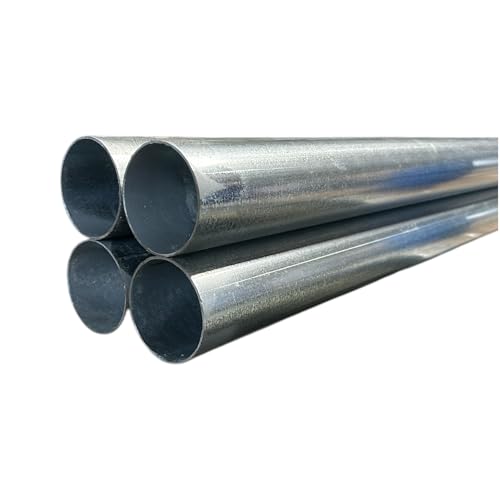
Wind, Slope, and Soil: Settings That Force Tighter Fence Post Spacing
Wind, slope, and soil conditions all increase the lateral forces acting on your fence, so you need to tighten post spacing accordingly. In areas with high wind, limit spacing to six feet for privacy fences instead of the standard eight. Taller panels catch more wind, so reducing spacing helps lower the load on each footing. On slopes, measure spacing along the ground and cut posts to six feet to ensure proper step-down alignment. In loose or sandy soil, soil resistance weakens, so cap spacing at six feet to maintain stability. For additional protection against the elements, consider using a heat lamp bulb to dry out posts and prevent rot in damp conditions.
Material choice and post treatment become more critical in these conditions. Use stronger wood or metal posts, and treat them for ground contact to prevent decay. Deeper post holes and added bracing help handle the increased stress on your fence. When any of these conditions are present, sticking to a six-foot spacing provides a safer, more durable fence.
How to Measure Fence Post Spacing Accurately (Center to Center)
When measuring fence post spacing, always use center-to-center measurements—from the middle of one post to the middle of the next—because that serves as the correct reference for hole placement and panel alignment. To achieve even spacing, divide your total fence length by the number of spaces you need. This approach prevents awkward cuts and ensures consistent sections. For those setting up a poultry run, you can adapt similar techniques used in selecting durable chicken toys to ensure posts remain securely anchored, and it helps to consider the optimal post depth for supporting a coop structure that houses three chickens. A key rule of thumb for chain link fences is to space posts no more than 10 feet apart for standard residential installations.
Mark the centers of each post on your string line, not the gaps, using a tape measure and a taut line. This technique helps prevent cumulative measurement errors or drift along the line. Panel width directly influences your spacing: vinyl or ornamental panels typically match their exact width, while wood fences often align with standard rail lengths. Always measure the entire run horizontally, including on sloped ground, to maintain level and consistent spacing.
Before digging, double-check corner positions and layout points. Making small adjustments now can save time later by preventing gate misalignment or uneven finishes. Accurate measurements upfront ensure your fence will look professional and function as intended, with minimal need for rework.

Multi-angle cutting, precise and efficient: Reciprocating saw guide can be used for 4x4 posts and sizes smaller than 4 x 4, and can achieve precise cutting of 0-45 degrees. Sufficient space is reserved on both sides of the reciprocating saw guideket, allowing users to flexibly adjust the cutting angle according to their needs. During the cutting process, the breciprocating saw guide can firmly maintain the position of the saw blade, ensuring a smooth cutting surface, so that every cut reaches a professional level and meets your high quality requirements.

FAST AND EASY TO INSTALL: the original, simple fence post repair. Saves hours of hard work. No digging required.
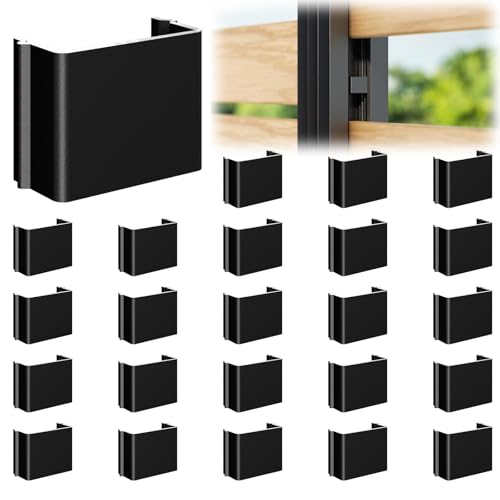
Perfect Post Alignment – Cleaner, Faster Installations: This 15mm thick fence post spacer helps you maintain perfect spacing between posts during installation, ensuring straight lines and a professional finish. Say goodbye to uneven gaps and constant measuring.
Agricultural Fence Post Spacing: Why 15 Feet Won’t Sag
Fifteen feet is generally acceptable for many farm fencing applications on flat, stable ground. This spacing works well with standard field fencing, which typically ranges from 12 to 16 feet between posts. As long as your posts are sturdy and properly braced, a 15-foot interval won’t cause sagging or compromise the fence’s integrity. High-tensile fencing systems can comfortably span this distance, provided you include solid corner bracing to keep everything taut and secure. For backyard keepers processing their own poultry, understanding that a chicken plucker operates by rapidly removing feathers through friction helps illustrate how specialized equipment can handle tasks that might otherwise require different support structures. To ensure accurate air movement readings in the brooder area, consider using a reliable hygrometer for incubator environments to monitor humidity levels during feather development.
On level terrain, the reduced side-load stress makes it easier to extend post spacing beyond the usual 10 to 12 feet default. However, avoid applying 15-foot spacing to woven wire fences, which generally require closer spacing of 10 feet or less for stability. Lighter mesh layouts designed for wildlife crossings or decorative purposes can handle 15-foot spacing without issue. Still, for aesthetic fences that prioritize appearance and rigidity, tighter spacing and reinforced end posts are essential for durability. Always prioritize strong, braced corners over simply increasing line-post spacing to ensure a resilient fence.