

Wondering if you can feed ducklings chick starter? It’s a common question for new duck owners, and the answer depends on what type of starter you use.
While non-medicated chick starter can be okay temporarily, you’ll need to add niacin to support their rapid growth and prevent leg problems.
Keep reading to see how to do it safely.
Can Ducklings Eat Chick Starter?
Yes, ducklings can eat chick starter temporarily, but only the non-medicated kind. During the incubation period or early days, you might not have waterfowl starter on hand. In that case, non-medicated chick starter is acceptable as a short-term replacement. Do not feed medicated formulas because they contain amprolium, which can harm ducklings since they tend to eat more than chicks, increasing their risk of overdose. You can also monitor incubation conditions with top incubator thermometers to ensure proper temperature. Selecting the right quail egg incubator ensures consistent heat for hatching.
However, chick starter alone does not provide enough niacin, which is essential for healthy leg development in ducklings. To prevent issues like bowed legs, you should supplement the feed with 1.5 tablespoons of brewer’s yeast per cup of feed. Always offer fresh water alongside the dry feed to support digestion and hydration. Keep a close eye on your ducklings’ leg health and growth during this period, as nutritional deficiencies or excesses can more quickly affect them compared to chicks. For long-term housing, you may also want to research quality chicken coops with runs that provide safe outdoor space for the ducklings as they grow. This approach should only be used until you can switch to waterfowl starter, which is formulated specifically to meet their dietary needs.
The 5-Step Backup Plan for Feeding Ducklings
If waterfowl starter isn’t available, your backup plan should be quick and simple. Start with non-medicated chick starter, but boost niacin by adding brewer’s yeast, as ducklings need more for proper leg development. Offer this in crumble or pelleted form free-choice during the first two weeks. If it’s unavailable, use a temporary emergency ration such as hard-boiled mashed egg or a mix of rolled oats and cornmeal in a 50-50 ratio. Keep this emergency feed to just a day or two because it is not nutritionally complete. Supplement with minced greens or peas to mimic the nutrients they’d find in aquatic plants. Avoid feeding bread, avocado, or adult layer feed, as these can be harmful to ducklings. Always keep feed separate from water to prevent spoilage. Building your own DIY feed bin can help you store backup rations cheaply and keep them dry and protected. For long-term storage, use a sturdy container built from treated wood or a galvanized tub to keep pests out. This flexible plan helps you handle sudden shortages without risking growth setbacks, much like a bird preparing for migration — quick, adaptable, and temporary. Switch back to proper starter as soon as possible.

Help your chickens, ducks, and other poultry grow healthy bones with Pampered Chicken Mama’s brewer’s yeast mixed with dried garlic and premium oregano.

NATURAL SOURCE OF NIACIN: Provides Niacin (Vitamin B3) for Ducks and Chickens

BREWER'S YEAST WITH NIACIN FOR DUCKS – A nutritional feed supplement formulated with brewer's yeast and niacin for ducks. An easy way to complement your flock's regular diet with naturally occurring nutrients from brewer's yeast.
Medicated vs. Non-Medicated Chick Starter: What’s Safe?
Medicated chick starter is not safe for ducklings. Although it contains amprolium, a coccidiostat used for chicks, ducklings tend to eat and drink more, increasing the risk of toxicity. Their different genetic makeup means they do not require this medication. Additionally, waterfowl have distinct digestive systems compared to poultry raised for meat or eggs. While some studies suggest that label rates may not cause harm, most practical guides recommend avoiding medicated feed altogether. The primary danger lies in the medication itself, not the starter. Always opt for non-medicated chick starter when raising ducklings, using it as a temporary measure if needed. Instead, provide niacin supplements to support health and choose a dedicated waterfowl starter for their long-term nutrition.

COMPLETE FEED FOR YOUNG BIRDS: Manna Pro Duckling & Gosling Starter Grower Crumbles provide a complete, balanced diet specifically formulated to meet the nutritional needs of your young waterfowl, supporting healthy growth and development from day one.

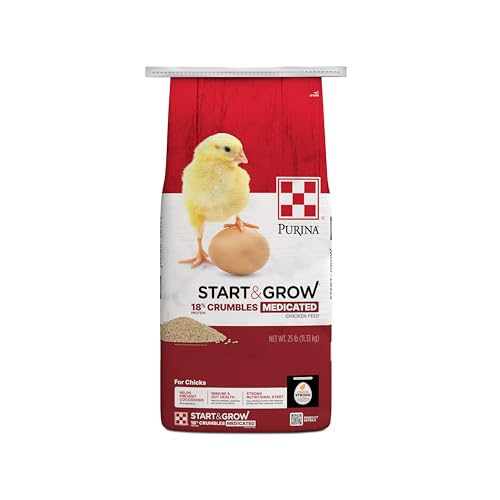
COMPLETE STARTER FEED FOR CHICKS: Specifically formulated for chicks from hatching to 16 weeks, this non-medicated chick starter feed delivers balanced nutrition and essential nutrients to support strong, healthy early growth and development.
Prebiotics and Probiotics - Supports immune and digestive health
Why Ducklings Need More Niacin Than Chicks
Because ducklings grow much faster than chicks, they require nearly double the amount of niacin. While chick starter typically offers around 25 to 40 mg of niacin per kilogram of feed, ducklings need between 55 and 70 mg per kilogram to support their rapid skeletal development and energy needs. During the first 2 to 8 weeks, their niacin demand increases significantly as their bones and muscles develop quickly. Insufficient niacin can lead to weak legs, poor bone formation, and dull feather coloration. Since chick starter isn’t formulated specifically for waterfowl, you should supplement with brewer’s yeast or opt for a waterfowl-specific starter to ensure they receive enough niacin to stay healthy and strong. Unlike chicks, ducklings also require grit and oyster shell for digestion and calcium absorption.
Signs Your Duckling Needs More Niacin in Its Diet
If your duckling starts avoiding movement or seems unusually tired, it is likely indicating a niacin deficiency. You will notice it sitting instead of standing, wobbling, or making fewer trips to the food bowl. Weak legs are unable to support its weight, leading to bowed or splayed legs and swollen hock joints. As the deficiency worsens, you’ll see signs like poor growth and a reduced appetite. Dull feather coloration is another clear indicator of nutritional trouble. In advanced stages, your duckling may rest on its hocks or stop walking altogether. Identifying these signs early is crucial to prevent permanent leg deformities. Severe niacin deficiency can cause paralysis or even death, especially between one and three weeks of age. Providing a secure and comfortable run helps reduce stress on weakened legs during recovery. While trough feeder considerations become relevant later, immediate action is necessary to address niacin deficiency and ensure your duckling’s healthy development. Additionally, ensuring adequate light levels in the brooder can encourage more active movement, helping you spot leg issues sooner.
Best Protein Level in Chick Starter for Ducklings
A protein level of 20%–22% in chick starter is ideal for ducklings’ early growth. While they can survive temporarily on standard chick starter, which typically contains 18%–20% protein, this is not optimal for their rapid muscle and feather development. A dedicated waterfowl starter with higher protein supports better growth during the first two weeks. When selecting a feed, aim for a formulation within the 20%–22% range to give your ducklings the best start. An 18% protein feed can serve as a fallback, but it won’t fully meet their developmental needs. Prioritizing higher protein levels ensures healthier, faster-growing ducklings capable of reaching their full potential. Choosing a roost that is easy to clean also helps maintain sanitary feed storage areas. A heated brooder box provides a stable environment that encourages consistent feed intake for proper growth. For stable and secure feeding areas, proper fence post bracing prevents accidental spills and keeps feeders upright.

Strong Growth and Vitality - With 20.5% protein from organic grains, this feed supports muscle development, bone health, and soft, fluffy feathers, giving your baby chicks and ducklings the nutrients they need to thrive.

Unique and complete formula - Balanced formula with all the specific nutrients ducklings need to grow and adult ducks need to maintain proper health

[QUALITY INGREDIENT BLEND]: Made with a balanced mix of grains, vitamins, and minerals to support consistent daily feeding for growing chicks
How Long Can You Feed Ducklings Chick Starter?
Most ducklings should only be fed chick starter for about two weeks. This time frame is optimal for supporting their growth and health, as chick starter is formulated mainly for land fowl and may lack essential nutrients for waterfowl. If you cannot find a proper waterfowl starter, you can extend the use of chick starter up to four weeks, but only if it is unmedicated. Even then, it’s important not to push beyond this period because ducklings grow rapidly, and prolonged feeding of chick starter can cause nutritional imbalances that may harm their development. For example, a chicken coop for 30 chickens is designed specifically for poultry housing needs. The longer you rely on chick starter, the greater the risk of compromising your flock’s overall health. For a sturdy and long-lasting setup, ensure your feeding station is anchored with proper fence post spacing to keep feeders stable and dry. For a more tailored approach, consider choosing a cover that protects feed from weather and pests.
When to Switch to Waterfowl Feed
Once ducklings reach 2 to 3 weeks of age, it’s time to start transitioning them to waterfowl grower feed. This shift is important because it reduces the protein content to better suit their slower growth during this juvenile stage. Avoid the misconception that early feed changes improve survival; proper timing supports healthy feather development and steady growth. When designing the run, ensure you provide plenty of shade and shelter to protect ducks from overheating and predators. However, unlike chickens, turkeys on layer feed may face excess calcium risks that harm kidney function. Similar to how dust bathing helps chickens maintain feather condition by removing parasites and excess oil, proper nutrition during this stage is critical for ducklings to develop healthy, waterproof feathers. Switch to waterfowl grower feed gradually over a week to prevent stress and ensure they continue eating well. Begin by mixing a small amount of grower feed into their starter feed each day, gradually increasing the proportion until they are fully transitioned. Be attentive to their behavior—if starter crumbs become too small or if they show reduced interest, it’s a sign they are ready to move on. Smaller breeds like Call ducks may need to wait until around 4 weeks before switching due to pellet size, which can be harder for them to consume early on. This incremental change helps maintain their intake and supports optimal development.
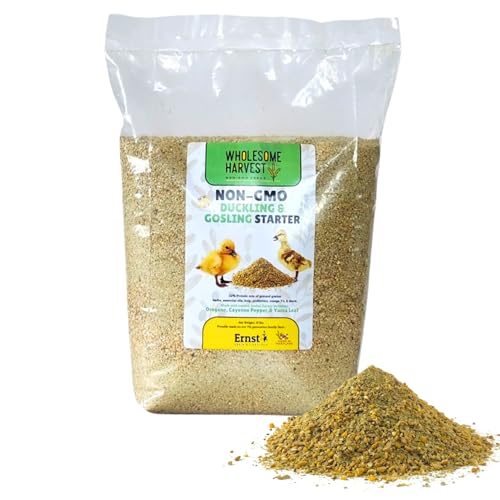
Premium Whole Grain Nutrition: Wholesome Harvest Non-GMO bird food is a complete 10-pound mix of cracked corn, wheat, soybeans, and sunflower seeds. With 22% protein, it’s the perfect chick starter for Duckling & Gosling for healthy growth and daily feeding.

Perfect Nutrition for Wild and Pet Ducks: Designed for both wild ducks and pet ducks, our organic duck food offers essential nutrients to support healthy growth. From organic grains to high-quality duck feed ingredients, it’s crafted to keep your feathered friends thriving at every stage.
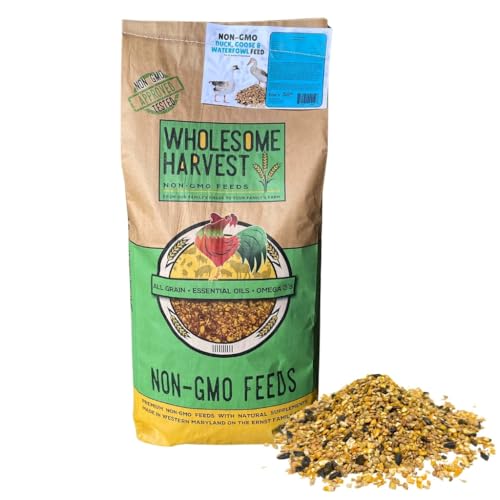
Premium Whole Grain Nutrition: Wholesome Harvest Non-GMO bird food is a complete 40-pound mix of cracked corn, wheat, soybeans, and sunflower seeds. With 18% protein, it’s the perfect duck food for pet ducks, geese, and other waterfowl for healthy growth and daily feeding.
3 Easy Ways to Add Niacin to Chick Starter
To ensure your ducklings get enough niacin, you can use three straightforward methods. First, mix brewer’s yeast into their feed at a rate of 1.5 tablespoons per cup. This provides a natural source of niacin and supports proper leg strength and feather growth, regardless of brooder temperature.
Second, add niacin powder or capsules to their drinking water at 100 to 150 milligrams per gallon. This method is quick and easy, especially if feed mixing is inconsistent or you need a rapid supplement.
Third, use a commercial fortified supplement designed specifically for ducks. Simply add one teaspoon per gallon of water. This guarantees consistent niacin intake, promoting healthy bone development and mobility right from the start. For any setup involving bedding or pest control, be aware that diatomaceous earth can be dangerous for ducklings if inhaled, as it is a fine dust that irritates respiratory systems.

{Healthy Flock} Proper nutrition and a well-balanced microbiome can help your poultry defend against dangerous pathogens. Brewer's Yeast with Probiotics, Prebiotics and Niacin can help achieve exceptional health in your flock

BREWER'S YEAST WITH NIACIN FOR DUCKS – Nutritional feed supplement made with brewer's yeast and niacin. A convenient way to add supplemental nutrients to the regular diet of ducklings and adult ducks.

REDUCED BITTERNESS: After fermentation, the yeast is separated from the beer, roller dried and debittered
Why Medicated Chick Starter Can Kill Ducklings
Medicated chick starter can be deadly to ducklings. The key issue is the coccidiostat, usually amprolium, which is not safe for them. This additive is intended for chicks and works by blocking vitamin B1 absorption, which is essential for nerve function. Ducklings tend to eat and drink more aggressively, increasing the risk of overdosing. An overdose leads to vitamin B1 deficiency, causing neurological problems like lethargy, poor balance, and staggering before any digestive signs appear. Prolonged exposure can result in severe health issues or death. Although some studies suggest ducklings may tolerate certain doses, the risk of contamination or accidental overconsumption makes medicated chick starter unsafe. The best practice is to avoid medicated feeds altogether unless a veterinarian personally recommends it. Your ducklings’ safety depends on it.