

Wondering if cracked corn is safe for your chickens? It’s a common question, and the answer is yes—but only as an occasional treat.
Cracked corn provides quick energy and can help chickens stay warm, but it shouldn’t replace their regular balanced diet.
Keep reading to learn how to give this treat safely and avoid health issues.
Can Chickens Eat Cracked Corn? Yes, as a Treat, Not a Meal
Chickens can eat cracked corn, but it should be given as a treat, not a primary food source. It’s not a complete or balanced feed, so relying heavily on it can displace the nutrients your flock needs for optimal egg production and overall health. Treats, including cracked corn, should comprise only about 10% of their daily intake. Limit feeding frequency to prevent overconsumption—scatter just enough for a 10 to 20-minute snack, preferably later in the day. Offering variety alongside cracked corn, such as kitchen scraps or greens, helps fill nutritional gaps and keeps your chickens interested. Overfeeding treats can lead to issues like obesity, fatty liver, and reduced appetite for their regular layer feed. Stick to occasional rewards and avoid making cracked corn a routine meal to maintain your flock’s health. Just as with t post clips, proper installation and use require following the correct steps to avoid common mistakes. For example, maintaining the correct brooder temperature is critical for chick survival and growth. To ensure your feeding area supports healthy flock behavior, consider how the run’s layout affects access to scattered treats and reduces competition.
What Nutrients Are in Cracked Corn?
Cracked corn contains primarily carbohydrates, with starch making up about 72% of its dry matter, providing a quick energy source. Its protein content is modest, generally between 6% and 10%, but it does not supply a complete amino acid profile suitable for poultry. The grain has a relatively low fat content, ranging from 2% to 4.6%, giving additional calories without excessively increasing fat levels. Minerals are sparsely present: calcium is nearly absent at 0.01%, and phosphorus is around 0.20%. Fiber content is low, approximately 2.5%, and it does not supply vitamins or other essential minerals. Because of this limited nutrient profile, cracked corn should be used as a feed supplement rather than a standalone meal, helping boost energy density but requiring supplementation with other nutrients to support growth or egg production. For optimal egg production, complete nutrition is best achieved with a top layer feed that provides balanced protein, calcium, and essential vitamins. When building a duck nesting box, essential materials like plywood and screws are needed to create a sturdy structure.
How Much Cracked Corn Is Safe for Your Flock?
Cracked corn should make up no more than 10% of your flock’s daily diet. For a standard hen, this amounts to about 1 to 2 tablespoons per day, which is roughly 0.4 ounces. Young chickens need even less—around 5% of their diet—while laying hens can generally tolerate up to 10%. It’s important to remember that cracked corn is a supplement, not a primary feed source. Overfeeding can lead to obesity and nutritional deficiencies because corn lacks sufficient protein and minerals. For those looking to manage water intake alongside feed, investing in an automatic waterer can help keep your flock hydrated without attracting extra pests from spillage. Leaving uneaten cracked corn around can attract pests like rodents, so limit feeding sessions to once or twice a week. Offer it in the afternoon, after your flock has eaten their balanced ration, to prevent waste and encourage proper nutrition. For keepers who also raise quail, using a reliable top quail egg incubator can ensure consistent hatch rates while you manage feeding routines. Start with small portions, keep the amounts modest, and always stay within the 10% limit to keep your flock healthy and safe.

Feed ground feeding birds and other backyard wildlife

7 GRAINS: Our scratch grains for chickens offer a high-protein, high-fiber blend of corn, wheat, milo, barley, oats, sunflower seeds, and millet, delivering essential vitamins and minerals to keep your birds healthy, energized, and thriving every day.
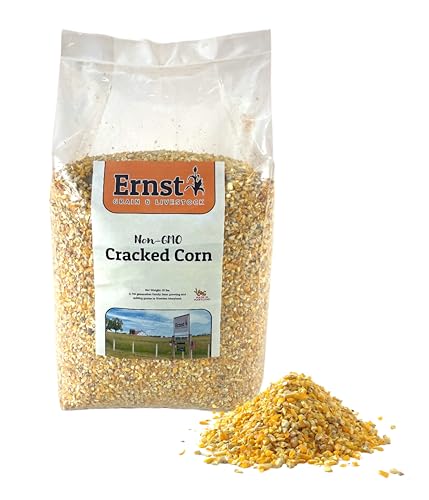
Sourced from Ernst Grain & Livestock, a 7th generation family farm
What’s the Best Way to Offer Cracked Corn?
Scatter cracked corn on clean ground for a few minutes to encourage natural foraging behaviors. This method allows your birds to scratch and peck at the treat, promoting activity and mental stimulation. Ensure all birds have equal access by spreading the corn widely, preventing dominant birds from monopolizing it. Scattering cracked corn as a seasonal treat helps chickens stay warm during colder months by generating heat during digestion.
Always keep grit available separately; it helps them grind the corn efficiently in their gizzards. To improve dietary balance, mix cracked corn with other grains or scratch feed. This prevents selective eating and ensures an even spread of the treat. Use a feeder with controlled portions to minimize waste and stop more aggressive or dominant birds from hogging the feed.
Remember that cracked corn is a supplement and should never replace complete poultry feed. Offer small, occasional servings to maintain nutritional health and avoid overfeeding.
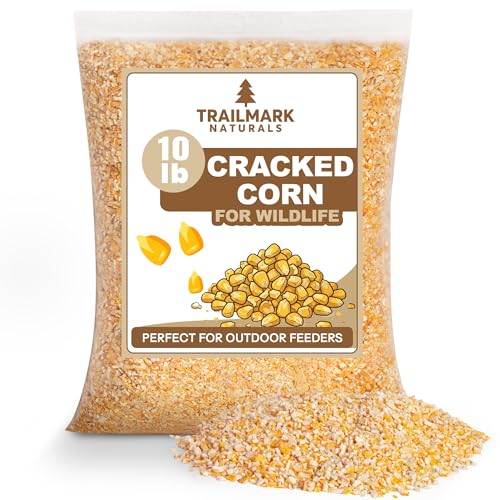
High-Energy Bird Food for Outdoor Feeders: This 10 lb bag of cracked corn is perfect bird food for outside feeders, attracting wild birds like cardinals, doves, and sparrows with a natural, energy-rich snack.


PREMIUM SCRATCH FEED FOR POULTRY: A nutritious, natural blend of cracked grains; featuring vibrant USA-grown purple corn to support healthy growth, strong development, and overall wellbeing for chickens, ducks, and backyard flocks.
When Should You Feed Cracked Corn? (Cold Weather and Foraging)
Feeding cracked corn is most beneficial during cold weather when chickens need quick energy to stay warm. The best time to offer it is in the late afternoon, just before they roost for the night. This allows their digestion to produce heat overnight, helping them maintain body temperature during the coldest hours. Avoid feeding cracked corn in summer, as the extra calories are unnecessary when energy demands are lower. This practice also supports digestion and metabolism overnight, helping chickens process their feed efficiently in cold conditions. To further aid digestion, providing chicken grit alongside cracked corn helps birds grind the corn in their gizzards, as they lack teeth for chewing. When managing your flock’s health, remember that high-quality hemp bedding can also play a role in keeping them comfortable and reducing moisture-related respiratory issues.
Cracked corn can also be used as a foraging aid. Scatter small amounts on the ground after your flock has eaten a balanced diet. This encourages natural pecking and scratching behaviors, keeping the chickens active and mentally stimulated. Remember, cracked corn is a treat, not a main food source. Limit it to no more than 10 percent of their overall diet, and only offer it on the coldest days to maximize its benefits.

Excellent energy source

Yummy Grain Treat: Non-gmo cracked corn, sourced from local sustainable farms in Missouri.

What Happens If You Feed Too Much Cracked Corn?
Feeding your flock too much cracked corn can quickly lead to health and behavioral issues. Cracked corn is low in protein and essential nutrients, so providing more than 10% of their daily diet can dilute their balanced ration. This nutritional imbalance can reduce egg production, weaken shell strength, and cause fatty liver syndrome due to the high-calorie, low-protein content.
Behavioral changes are also common. Chickens tend to prefer corn over complete feed, which increases competition at the feeder. This can trigger pecking, bullying, or even cannibalism among the flock. Additionally, excess cracked corn can lead to obesity, straining their legs and overall health because of its calorie density.
To prevent these problems, limit cracked corn to occasional treats and keep it below 10% of their daily intake. Offering it in moderation helps maintain a healthy balance, supports optimal egg production, and keeps your chickens active and content.
Can Cracked Corn Replace Layer Feed?
Cracked corn cannot replace layer feed entirely. While it may seem like a cost-effective option, it lacks the necessary nutrients that support healthy egg production. Layer feed provides a precise balance of 16–18% protein and sufficient calcium, both essential for shell formation and overall flock health. In contrast, cracked corn contains only 6.5–9% protein and virtually no calcium, creating nutritional gaps that can harm your hens and reduce their laying performance. For optimal results, consider using a forced air incubator to maintain consistent temperature and humidity during egg hatching.
Your hens require about 38 essential nutrients each day, and roughly 90% of their diet should come from a complete layer feed. Use cracked corn as a small supplement rather than a primary food source. To avoid deficiencies, feed it in moderation—no more than 10% of the total diet. Many keepers choose cracked corn as a low-cost treat to encourage foraging and provide quick energy during cold weather. Prioritize layer feed first and add cracked corn sparingly, never making it the main component of their diet.

PREMIUM CHICKEN FOOD FOR LAYING HENS WITH OMEGA-3: High-quality chicken layer feed made for strong egg production; fortified with chicken feed omega 3 & extra chicken feed calcium to support healthy shells & provide complete daily nutrition for your hens

LAYER BLEND: Our Non-GMO layer mash is a complete feed fortified with minerals and additional calcium, ensuring quality eggshells. This blend of cracked grains includes probiotic for digestive health and higher omega 3 levels from linseed (flax) oil. Ideal for supporting your flock's overall health and egg-laying productivity.

Rich yellow yolks - A high level of xanthophyll, a coloring agent derived from marigolds, produces deep yellow egg yolks
How Can You Tell If You’re Overfeeding Cracked Corn?
Overfeeding cracked corn will reveal itself through several clear signs in your flock. Your hens will quickly gain weight, making their breastbones hard to feel and causing their movement to slow down. Egg production drops, shells become thin or easily crack, and yolks tend to pale. Digestive issues may show up as loose droppings or other signs of upset, and their appetite will fluctuate—often they ignore their layer feed altogether, favoring the corn instead. Feather condition also deteriorates, with noticeable feather loss or increased pecking, driven by low protein and nutrient imbalance. Adding a quality supplement like diatomaceous earth for chickens can help control internal parasites, but it cannot fix the nutritional gaps from overfeeding. Using a reliable automatic chicken coop door can simplify daily management and protect your flock from predators while you address dietary issues. Over time, health problems such as obesity, calcium and phosphorus imbalance, and leg issues will worsen under the extra weight. These visible signs confirm that cracked corn shouldn’t be the primary diet, as it isn’t complete nutrition for your flock.
How to Store Cracked Corn Safely
Every two weeks, you should inspect your stored cracked corn. Check for any changes in odor, which could indicate spoilage, as well as heat buildup, visible mold, or insect presence. If you notice any musty smell or caked feed, discard it immediately to prevent contamination. Rotating your stock is essential—use the older corn first to minimize waste and spoilage. Consider using a hydraulic post puller to quickly extract fence posts with minimal effort, but for securing your feed storage area, heavy-duty 19 gauge hardware cloth provides durable protection against pests. Unlike wild rabbits, chickens can digest cracked corn more safely, but portion control is still important to avoid nutritional imbalances and obesity. Limit storage time to 3 to 5 months, and avoid purchasing more than you can use within that period. Maintaining stable storage conditions by keeping moisture and temperature consistent will help keep your chickens safe and healthy.

【Black Hardware Cloth】- Length: 100ft,wide:48inch,19 Gauge heavy duty is galvanized inside and Resists corrosion pvc double coated outside,1/4 inch opening,19 Gauge is stronger than regular 23 Gauge.ensure quality and service life

HEAVY DUTY MATERIAL – Flexible yet strong 19‑gauge hexagonal zinc‑coated steel wiring prevents sagging and withstands long‑term outdoor weather exposure

Small Animal Protection Barrier: Our hardware cloth features 0.5x0.5-inch mesh that precisely blocks rabbits, rodents, and puppies. Ideal for gardens, pet enclosures, and poultry cages. Dual-purpose: it keeps wildlife out while safeguarding plants and pets year-round