

Thinking about building a duck coop on a budget? The key is focusing on just a few simple elements: enough space, good airflow, and security from predators.
A basic setup with easy-to-find, inexpensive materials can keep your ducks safe and comfortable without breaking the bank. Keep reading to find out how you can create a functional duck coop with minimal cost and fuss.
How Much Space Does Your Duck Coop Actually Need?
Start with at least 4 to 5 square feet of indoor space per duck if you’re planning a coop for night-only confinement. This amount ensures they have enough room to move comfortably without feeling cramped. For daytime confinement, you’ll need to triple that space, so aim for around 12 to 15 square feet per duck. The actual space needs depend on how long your ducks stay inside each day. Larger breeds like Pekins require a minimum of 5 square feet indoors, while bantams can get by with about 3 square feet. Prioritize floor space over height in your DIY coop since ducks don’t roost, and avoid overcrowding to reduce stress and health problems. As a general rule, pairing this with a spacious outdoor run following run space guidelines helps maintain drier bedding and healthier birds. A chicken run of similar proportions should offer at least 10 square feet per bird for daytime activity. For optimal health and security, consider quality and value when selecting materials or a pre-built run.
If your ducks are confined indoors all day, providing more room prevents bedding from becoming muddy and keeps aggression levels down. Pair small coops with the largest possible run—more space always benefits your flock’s health. Remember, offering ample space helps prevent issues like bullying, makes cleaning easier, and supports overall well-being.
How to Build a Predator-Proof Duck Run Without Breaking the Bank
To build a predator-proof duck run without overspending, focus your budget on the bottom perimeter. Use 1/2-inch galvanized hardware cloth for the lower 2 feet of the sides and extend an 18 to 24-inch apron outward. This setup effectively prevents raccoons, foxes, and digging predators from gaining access. Secure the hardware cloth with screws and washers rather than staples to reduce pry points that predators can exploit. Cover the top with the same hardware cloth instead of flimsy bird netting, ensuring durability. For dirt floors, bury the mesh at least 12 inches deep or combine it with the apron for layered protection. Overlap all seams by a few inches and fasten them tightly with zip ties to prevent predators from slipping through weak points. Remember, you don’t need expensive materials everywhere—prioritize high-quality hardware cloth where predators are most likely to test your defenses, and your run will stay secure without draining your budget. This apron method is a key concept borrowed from chicken tractors, which rely on the same ground-level barrier to block digging predators in a portable coop system. For focusing on overall duck health, consider supplementing their diet with best cracked corn to provide energy and enrichment alongside your secure run. Using screws and washers also prevents predators from prying the mesh loose, a common failure point in budget builds.

High-Quality Anti-Rust Process This hardware cloth is made from high-strength low-carbon steel wire, combining excellent strength with flexibility. After precision welding, the entire product undergoes a premium anti-rust treatment—hot-dip galvanization—with special reinforcement at all seams and corrosion-prone areas to ensure uniform, dense coating and outstanding rust resistance. This process grants the product superior weather resistance, making it an ideal choice for wire mesh fencing and long-term outdoor applications.

Galvanized After Welding: Hot-dip galvanized after welding coats every welded joint, so the heavy duty mesh resists rust and breakage far longer than pre-galvanized wire in rain, soil, and sun.Thicker wire builds a sturdier fence that resists bending and animal push-through

Material and size: The size of the hardware cloth is 16 inch×50 ft and 1/2 inch×1/2 inch thickness, adopt 19 guage hot-dipped galvanized material
Where to Find Cheap or Free Materials for Your Duck Coop
You can find cheap or free materials for your duck coop by exploring several overlooked sources. Habitat ReStore offers discounted lumber, doors, and hardware—great for building sturdy structures without overspending. Construction dumpsters can also be treasure troves for scrap plywood and 2x4s, just be sure to ask for permission first.
Check online platforms like Freecycle, Nextdoor, or Craigslist for free or inexpensive building supplies. These communities often have people giving away or selling leftover materials at a fraction of retail prices. Salvage yards are another excellent option—they carry reclaimed wood, brackets, and vintage outdoor decor that can be repurposed into charming coop accents.
Don’t overlook bulk trash pickup routes and estate cleanouts, as they sometimes include fixtures and materials that are still usable. If you need bedding materials, ask local feed stores—they sometimes sell damaged straw bales at discounted rates. Using these sources allows you to save money while still gathering quality materials for your duck coop. For the floor of the run, coarse sand is a recommended option that drains well and helps control odor. For the nesting boxes, hemp bedding is a top choice that absorbs moisture and reduces dust.

Do you love barn wood? You want real weathered wood? This is it! The real deal!

EASY TO INSTALL: 3/8'' Thickness & Various Lengths Ensures Sturdy Boards For A Lifetime Of Enjoyment
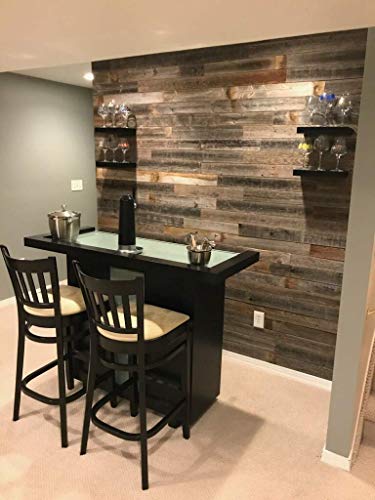
RECLAIMED WOOD ACCENT: Real reclaimed and recycled wood, naturally-weathered wood paneling adds a beautiful, rustic accent to your walls
How to Set Up Ventilation and Flooring Without Overspending
Ventilation is essential because ducks produce significantly more moisture than chickens. To set up an affordable system, install adjustable vents high near the roofline and on opposite walls to promote cross-ventilation. Cover these vents with 1/2-inch hardware cloth to prevent predator entry. This arrangement ensures warm, moist air is drawn out without creating drafts at bird level, which can stress your ducks. Combining roof and wall vents enhances moisture release effectively without needing mechanical systems. For optimal airflow, selecting top-rated vent models can improve efficiency and durability. Remember, proper airflow reduces ammonia buildup and keeps the coop healthier for your ducks. For flocks suffering from internal parasites, poultry dewormers help maintain overall bird health by controlling worm burdens. To ensure the best results, consider the top-reviewed designs in chicken toys for coop when planning ventilation features for your duck setup. Never compromise on ventilation, as stale air can lead to respiratory issues and increased ammonia levels.

QUALITY FIRST: Our products are tested many times in factory. Wirewonders' PVC coated wire mesh is less prone to rusting, has good corrosion resistance, and can blend with the environment.

Material and size: The size of the black hardware cloth is 48 inch×100 ft square and 1/2 inch×1/2 inch thickness, black vinyl coated.

High quality raw materials: Our hardware cloth chooses the strength, toughness and ductility of low carbon steel wire as the inner core. This determines the basis of the high quality of our products
Prioritize Space, Ventilation, and Predator Protection First
Prioritizing space, ventilation, and predator protection is essential when building a duck coop. Allocate at least 4 square feet per duck inside, with more for larger breeds, and 15 square feet in the outdoor run. This extra space reduces moisture buildup, neutralizes odors, and minimizes stress, allowing you to set up nesting boxes and feeding stations without overcrowding. When selecting materials and design, consider models that offer quality and value to ensure long-term durability. Choosing metal materials can provide a durable, easy-to-clean surface that resists rot and moisture better than wood.
Ensure each duck has a minimum of 1 square foot of ventilation near the roofline to let out humid, wet air. Cover these vents with ¼-inch hardware cloth to prevent predators from squeezing through. All openings—vents, windows, and doors—must be secured with the same mesh, as raccoons, weasels, and snakes are always looking for weaknesses. Avoid using chicken wire; instead, add a roofed run and bury wire around its perimeter for added predator-proofing. Spending your budget on ample space, proper airflow, and sturdy barriers guarantees a healthy, safe environment for your ducks without wasting money on unnecessary extras. For a working example, a chicken run typically costs between $200 and $1,500 depending on size and materials.