

If you’re wondering how to keep your chickens clean and comfortable, a dust bath is essential. It’s a simple, inexpensive way to help hens stay healthy and happy. And it’s easier to set up than you might think.
By creating a cozy dust bathing spot, you’ll give your chickens a natural way to groom and control parasites. This guide will walk you through everything you need to know to build and maintain an effective dust bath.
With just a few materials and regular upkeep, your hens will eagerly use their new cleaning station. Keep reading to learn all the details.
Why Your Chickens Need a Dust Bath (And Why It’s Not Optional)
Dust bathing isn’t just a quirky chicken habit—it’s an essential, instinctive behavior that helps control parasites such as lice and mites. When your chickens roll and shake in fine dust, it dislodges parasites, blocks their breathing openings, and dehydrates them. Providing proper dust-bathing material can lead to a noticeable reduction in mite populations. Adding barn lime to the dust bath mix can also help dry out the coop environment and further deter external parasites. A well-maintained chicken coop with run ensures a clean, dry area where birds can dust bathe safely, reducing the need for chemical pest treatments.
Beyond pest control, dust baths serve multiple health benefits: they remove excess oil, dander, and dead skin, which keeps feathers clean, promoting better insulation and waterproofing. Dust acts as a cooling mechanism during hot weather, helping your chickens regulate their body temperature comfortably. For flock keepers who also raise quail, selecting the right quail egg incubator ensures healthy chicks that will benefit from these same dust-bathing habits.
This activity also offers behavioral enrichment—reducing stress, preventing feather pecking, and encouraging normal daily routines. Without access to dust baths, parasite levels can rise dramatically, resulting in skin irritation, weight loss, and decreased egg production.
Where to Put the Dust Bath for Best Results
Place the dust bath in a sheltered spot that offers protection from rain and excessive moisture. An ideal location is under a roof overhang, inside a three-sided shelter, or within a covered run. These spots help keep the substrate dry and loose, even during wet weather, ensuring your hens can bathe comfortably. For a permanent setup, consider lining the container with best hardwood chips to improve drainage and longevity. Partial sunlight in these areas warms the bath without overheating it, while avoiding full shade or full sun all day creates a balanced environment for your flock.
Set the dust bath on well-drained ground to prevent water from pooling, which can turn the substrate muddy and ineffective. Keep it away from feeders and waterers to avoid dust contamination, and steer clear of high-traffic doorways to reduce disturbance. Position it near a scratching area or beneath a raised coop to enhance predator safety, making hens feel more secure while bathing. In colder climates, placing it close to the run ensures year-round access and convenience. For an inexpensive and durable container, consider building your own dust bath using common DIY materials like plywood or salvaged lumber.

ALL-NATURAL CHICKEN DUST BATH MIX FOR HEALTHY, HAPPY FLOCKS – Provide your chickens with the ultimate hygiene solution with this premium chicken dust bath mix, specially formulated to keep them clean, comfortable. This is more natural, effective and loved by flocks instead of chicken sand solution. This is a must-have for any chicken coop, as this fine, all-natural blend mimics a natural dust bath, allowing your flock to roll, fluff, and preen even when dry soil isn't available.

Prevents Digging in Yard: No more worrying about chickens digging craters for dust baths. This dust bath tub makes it easy to mix sand, soil, ash, chili powder, DE, or lime. It helps poultry groom their feathers more efficiently, comfortably, and enjoyably—promoting their overall well-being.

[Large Capacity and Space-Saving Foldable Design]:With a diameter of 32 inches and a height of 8 inches, the chicken bath tub comfortably accommodates up to 10 chickens without overcrowding. The foldable design makes storage a breeze, saving space and making it easy to transport.
What to Use as a Container for the Bath
For a chicken dust bath, choose a large, shallow, and sturdy container—such as a plastic storage tub, galvanized tub, or kiddie pool—that allows multiple hens to bathe comfortably at the same time. The ideal size is at least 24 to 36 inches wide and 8 to 12 inches deep, providing enough space for 2 to 3 birds without crowding. Using a larger container minimizes competition and enhances flock comfort. While selecting a container, remember that poultry shears are better suited for cutting meat and bone than for trimming feathers, so keep your shears specialized for kitchen tasks.
Material options depend on your outdoor setup and preferences. Plastic totes are lightweight and easy to move, making cleaning and repositioning simple. Galvanized tubs are highly durable and resistant to weather, great for outdoor use. Wooden boxes or kiddie pools are inexpensive and effective alternatives. Whichever container you select, ensure it has shallow sides to make entry and exit easy for the hens. Drilling drainage holes is essential to prevent rainwater from accumulating and soaking the dust mix. Placing the bath under cover helps keep it dry and usable throughout the year.

PROMOTES FLOCK HYGIENE - Essential for supporting natural preening behaviors, this pan provides a dedicated spot for chickens to dust bathe, helping them remove excess oil and maintain clean feathers

STURDY & DURABLE: made of heavy-duty commercial grade plastic

Made of PE material, will not become hot due to hot weather.
The Best Dust Bath Mix: Ingredients and Ratios
A well-balanced dust bath mix should prioritize ingredient diversity and precise ratios. Start with a core base of fine sand, making up about 40 to 60 percent of the total mix. Next, add dry soil and wood ash in a 2:1:1 ratio with the sand, creating a practical starting point. Incorporate small amounts of food-grade diatomaceous earth, roughly 5 to 10 percent, to help control parasites. You can replace up to 20 percent of the soil with peat moss or coir to improve texture and moisture retention. Use coarse, builders sand instead of play sand to mimic natural conditions better. Keep the mixture dry and crumbly, avoiding compaction, so your chickens can naturally bathe and dig. This combination encourages healthy, happy chickens and keeps their feathers clean. For proper placement, secure the dust bath area with T post clips to prevent tipping.

NATURAL CHICKEN DUST BATH FOR CLEAN, HEALTHY FEATHERS - Give your flock a premium chicken dust bath that helps remove excess oil, dirt, and moisture. Supports natural feather conditioning for happier, cleaner hens in any dust bath for chickens setup.

Clean, Ready-to-Use Sand: Washed, screened, and dried to remove fines and impurities, delivering a consistent coarse grain that’s ready to use straight from the bag without additional preparation

Their Daily Self-Care Ritual: dust bathing is how hens keep their own skin and feathers in shape — this fine zeolite powder works deep into plumage to lift away extra oil, dirt, and moisture.
Build a Dust Bath in 5 Minutes (Step-by-Step)
To set up a dust bath in just five minutes, start with a ready-made container such as a shallow bin, kiddie pool, or an old tire. Place it in a dry, sheltered area that offers partial sun and shade—ideally where your chickens naturally gather. For a decorative touch, pick a painted crate or a stylish plastic tub that complements your coop’s aesthetic.
Next, if rain might splash in and cause issues, drill drainage holes in the bottom of the container. Set it on level ground to prevent tipping, and consider positioning it under a covered run or beneath an awning for extra protection. Fill the container with a 4-to-8-inch layer of dry dust bath mix, spreading it evenly across the bottom. Stir in optional herbs like rosemary or lavender for mite and lice repellence. This behavior also helps chickens remove excess oil and parasites from their feathers.
Finally, check that the dust bath is ready for use: it should be dry, loose, and stable—no sharp edges or standing water. The setup should invite your flock to scratch and roll immediately. After heavy use, stir the dust to refresh the texture and maintain its attractiveness.

Use Pampered Chicken Mama Herbal Dust Bath in your coop or chicken run by adding to dust bath areas. Combine with nesting herbs in a large bin for cooped hens and roosters. Add to your flock’s favorite dust bath spot weekly for best results.
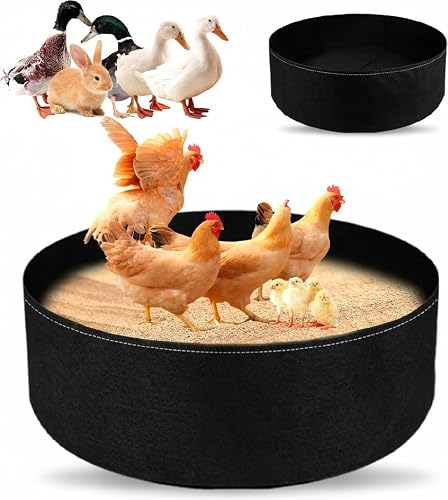
Chicken Dust Bath Tub - Made of PE material, it won’t get hot in hot weather. This keeps chickens from being scalded when using it , suitable for placing in backyard coops or farm yards to let chickens take dust baths safely.

Cleaner Feathers and Happier Chickens - This chicken dust bath additive helps remove excess oil from feathers so chickens stay cleaner during grooming.
5 Mistakes That Make Chickens Ignore the Dust Bath
Even a perfectly constructed dust bath can go unused if your chickens avoid it for the wrong reasons. The first issue is placement. Chickens prefer sunny, dry areas with plenty of direct sunlight. Damp or shady spots discourage them from digging in. Move the bath to a well-lit, dry location where your flock naturally congregates. Hidden or shaded baths are more likely to be ignored entirely. By ensuring the bath stays dry and sunny, you support their natural defenses against mites and lice. A dust bath helps chickens maintain feather health by absorbing excess oil and loosening debris. Choosing a top layer feed can also support overall feather condition and health.
Secondly, the size of the dust bath matters. A shallow tub with low edges—about two to three inches deep—provides enough space for all the chickens to roll comfortably. If the bath is too small, chickens may feel crowded or skip it altogether. Ensuring ample space encourages more frequent use.
Third, the material inside the bath is crucial. Use fine, crumbly dirt or clean sand, which stays loose and airy. Avoid clumpy, wet, or dusty fill because it can become compacted or unappealing, reducing your chickens’ interest in bathing.
Bullying behavior can also prevent some chickens from using the dust bath. If one dominant hen controls access, others will be pushed aside. To fix this, provide a second dust bath to give everyone a fair chance to enjoy it.
Finally, your flock might simply prefer another spot in the yard. Observe where they naturally dust bathe or scratch and consider relocating the bath to that favored area for better engagement.
How to Maintain a Clean, Usable Dust Bath
Keeping a dust bath clean involves a simple, regular routine to prevent it from becoming messy or unappealing. Use a small rake to scoop out droppings, feathers, and sticks frequently—aim for at least once or twice a day—to maintain a tidy environment. Remove any wet material immediately to prevent mold or clumping, and cover the bath during rain to keep the dust dry. Stir the mixture weekly to keep it loose and fluffy, which promotes healthier feathers by allowing proper dust penetration. For predator safety, place the bath in a sheltered, covered spot where your chickens feel secure while bathing. Periodically move the container to fresh ground to reduce the buildup of bacteria and pathogens. Every few months, fully empty and scrub the container with a mild detergent, then dry it thoroughly before refilling. Following this routine ensures the dust bath remains inviting, functional, and safe for your chickens.

Made of PE material, will not become hot due to hot weather.

THE PERFECT CHICKEN DUST: Lixit chicken dust gives your flock the ultimate care with our high-quality dust bath. This dust is designed to promote healthy skin, feather maintenance and keeping your chicken’s pest free. Chicken dust is perfect for coops especially when there is limited dry soil available.
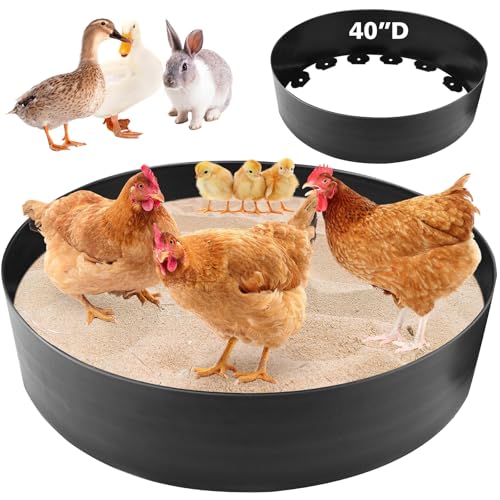
Chicken Dust Bath Circle:Bottomless Design, PE , With a diameter of 40 inch, height of 5.9 inch, our large round chicken dust bath tub accommodates up to 15 chickens simultaneously without overcrowding.11 plastic nails are enough to secure the entire Chicken Dust Bath Circle.
How Often Should You Refill the Bath?
You should refill the dust bath every one to two weeks under normal use. This interval ensures the material remains loose, fluffy, and effective at cleaning your flock. However, heavy use, warm weather, or having a large flock can shorten that timeframe to just a few days. Keep an eye out for droppings, dampness, or clumping in the substrate; these signs indicate it’s time for a quick refresh. Never let the material drop more than 3 to 4 inches below the rim, as this can reduce effectiveness and cause discomfort.
A weekly stir can help delay the need for full replacement, but for heavily used baths, topping off every few days is best. Linking maintenance tasks like refilling with your regular feeding schedule can help keep it consistent. Strong predator protection around the bath is important for safety but doesn’t prevent material loss. Regularly checking the depth and feel of the substrate ensures it remains loose and fluffy. When it no longer feels like a soft, airy layer, it’s time to add fresh material to keep your flock healthy and happy.
Common Questions About Chicken Dust Baths Answered
Dust baths are highly effective for maintaining your chickens’ feather condition by removing excess oil, dirt, and dead skin. Regular bathing helps keep their plumage clean, healthy, and comfortable, especially in dry weather. To ensure proper cleaning, your chickens should have access to a shallow box filled with dry, loose material like soil, sand, or a small amount of wood ash. Adding a small amount of mulch can help the bath retain moisture and add texture for better dusting. For budget-conscious keepers, a simple chicken coop setup can also incorporate a permanent dust bath area to support flock health. Adding a permanent dust bath area to the best chicken coops for six birds can streamline both housing and hygiene for your flock.
Regarding pest control, dust baths play a significant role in reducing external parasites such as mites and lice. The fine particles from dry soil, sand, or wood ash dislodge and suffocate these pests. Use food-grade diatomaceous earth sparingly—heavy amounts can irritate your chickens’ airways. Avoid adding chemical insecticides or any unsafe ash. Providing a shallow, clean dust bath area with appropriate materials enables your flock to groom naturally and stay healthier.