

Wondering if your ducks need oyster shell for healthy eggs? The answer depends on what they’re doing.
Laying females, especially heavy producers like Khaki Campbells, should have constant access to oyster shell to help produce strong, thin‑shell free eggs.
Others, like drakes or ducklings, generally don’t need it and can even be harmed by too much calcium.
Keep reading to learn how to balance their needs safely.
Do Your Ducks Actually Need Oyster Shell?
Oyster shell is only necessary for your ducks when they are actively laying eggs. During this period, their calcium needs increase significantly to produce strong shells. You should offer oyster shell free-choice in a separate dish so they can eat what they require. This approach prevents giving unnecessary calcium to non-layers, such as drakes, ducklings on starter feed, or adults not currently laying. Providing excess calcium can strain their kidneys and cause health issues. Remove the oyster shell once your ducks stop laying eggs to maintain their balance and health. Unlike chickens, ducks do not require grit for digestion because their food is typically soft enough to break down without it. If you prefer a more hands-on approach, you can build your own feeder using a DIY feed bin to keep oyster shell and other supplements organized and reduce waste. When selecting a heat source for your flock, red heat lamps are often preferred over clear bulbs because they are less disruptive to sleep patterns and can reduce feather pecking.
Which Ducks Benefit Most From Extra Oyster Shell?
Ducks that are actively laying or producing high amounts of eggs benefit most from extra oyster shell. During peak laying periods, their calcium needs increase sharply to support eggshell formation. If you notice thin, soft, or shell-less eggs, it’s a clear sign that their calcium intake is insufficient. Providing a proper brooder box ensures ducklings grow into healthy layers that can meet these calcium demands. Using a DIY chicken waterer can help keep the water supply clean, which supports the digestion and absorption of calcium supplements. A high-quality coop with run can provide a safe environment to manage calcium intake and monitor egg quality.
Layer ducks or heavy producers like Khaki Campbells require free-choice oyster shell to meet this demand. Maintenance feed alone typically does not provide enough calcium for optimal shell quality. Providing ample oyster shell helps resolve issues such as pitted or brittle shells and ensures stronger, healthier eggs.
Proper water intake is essential for digestion and absorption of calcium supplements. Balancing minerals through oyster shell not only improves eggshell quality but also promotes overall flock health, including feather condition. Prioritize offering oyster shell to ducks showing signs of shell defects or during high production periods to support their calcium needs.

Optimal Health and Egg Production - Enriched with 16% protein from organic grains, this feed provides a balanced and complete diet for laying chickens and ducks, promoting growth and nutritious, supports strong eggshells

100% Flaked Oyster Shell: Made with only fine flaked oyster shell—no seashells or fillers—for a pure, effective calcium supplement.

Backyard Flock Calcium Support: Designed for backyard chicken keepers and small flocks, this oyster shell for chickens provides a reliable calcium for chickens source during peak laying season, helping laying hens naturally maintain strong eggshells while supporting daily nutrition in chicken coops, feeders, or free-choice feeding setups
How Much Oyster Shell Is Safe for Non-Laying Ducks?
Oyster shell should not be offered to non-laying ducks at all. Their balanced maintenance feed provides sufficient calcium, and adding oyster shell risks nutrient imbalances, kidney strain, and urate problems. Drakes, ducklings, and adult ducks not actively laying eggs do not need extra calcium. Ducklings, for example, should instead be fed cracked corn only as an occasional treat to avoid nutritional gaps.
If you keep a mixed flock, keep oyster shell separate and only offer it to ducks that are laying. Use a separate dish to prevent accidental overconsumption by non-layers. Since over-supplementing calcium poses more health risks than deficiency in these birds, it’s best to keep oyster shell out of reach unless your veterinarian advises otherwise. For context, quail would need a similar approach to calcium supplementation as laying ducks, with top quail egg incubators often used to hatch their eggs before any laying cycle begins. Stick to a complete all-flock diet, and avoid adding oyster shell unless specifically needed for laying ducks.
If you are also maintaining a coop perimeter, removing old fence posts can be done with quick extraction tools instead of using heavy machinery.
How to Offer Oyster Shell Without Over-Supplementing Your Flock
Refill oyster shell gradually, monitoring how much your ducks consume each day. If some birds ignore it or overeat, move the shell to a different spot to encourage balanced intake. Keep oyster shell separate from grit to serve each purpose effectively. Remember, your duck pellet already provides essential nutrients; offer oyster shell only to laying-age birds. This free-choice approach helps prevent over-supplementing while ensuring your flock gets the calcium they need for healthy eggs and overall well-being. For instance, diatomaceous earth kills external parasites like lice and mites without adding extra calcium to the diet. Choosing the right water cups ensures your ducks stay hydrated while keeping their feeding area clean. When building a dedicated feeder station, consider using simple materials like wood to create a separate, low-cost container for the oyster shell.
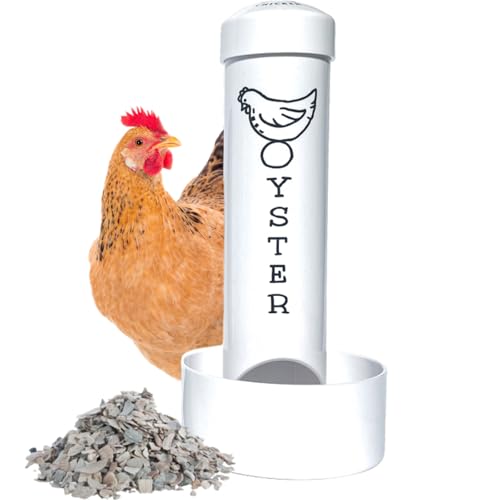
May improve the hardness and durability of egg shells

【Automatic Filling Chicken Feeder】This chicken oyster shell feeder is specifically designed for feeding chicken sand and oyster shells. With its large capacity, it can easily meet the food needs of 6 chickens for up to 15 days. The chicken grit feeder adopts a gravity based feeding mechanism, which ensures a continuous and stable feed supply, eliminating the trouble of daily feeding for you.
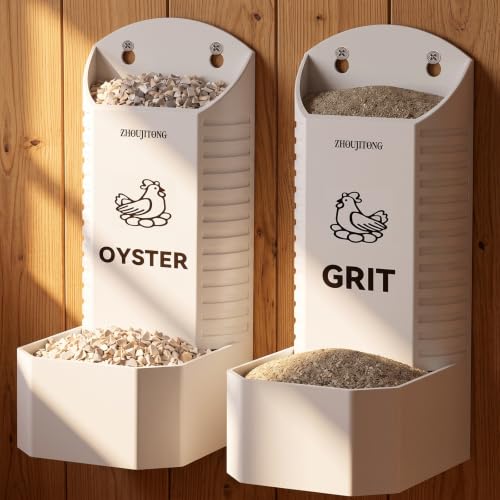
2-Pack Chicken Grit and Oyster Shell Set: Corrosion- and rust-resistant, with a smooth surface that’s easy to clean; features built-in drainage holes to prevent food from getting damp; and an integrated deflector plate design that ensures not a single grain of food goes to waste
Feeding Laying Ducks for Stronger Eggshells With Oyster Shell
Providing oyster shell free-choice is essential once your ducks start laying eggs. Their calcium requirements increase significantly to support strong shell formation. Active layers quickly deplete their calcium reserves, so offering oyster shell ensures they can supplement their intake naturally. The large particle size of oyster shell aids in calcium absorption, leading to thicker, more resilient shells and reducing the occurrence of thin-shelled eggs. Signs of inadequate calcium intake include thin, pitted shells, which indicate that your ducks’ needs are not being fully met. It’s best to introduce oyster shell before the first eggs appear to prevent shell-quality issues from developing. Since ducks self-regulate their consumption, they only eat what they need from a separate dish, preventing over-supplementation. To ensure the oyster shell stays fresh and accessible, using a top diatomaceous earth duster for dusting the coop can help control pests without interfering with calcium intake. Use oyster shell alongside a balanced layer feed to maintain strong eggshells throughout the laying cycle. For a budget-friendly approach, consider building your own feeder using inexpensive materials like PVC pipe and wood. Before offering oyster shell, it helps to scald the chicken in hot water briefly, a technique used in processing birds without a plucker, to ensure any particles or debris are removed from the supplement dish.

STRONGER EGGSHELLS, FEWER BREAKS – Eggshells are 94–97% calcium carbonate; this crushed oyster shell replenishes what laying hens lose daily, reducing cracked and thin-shelled eggs.
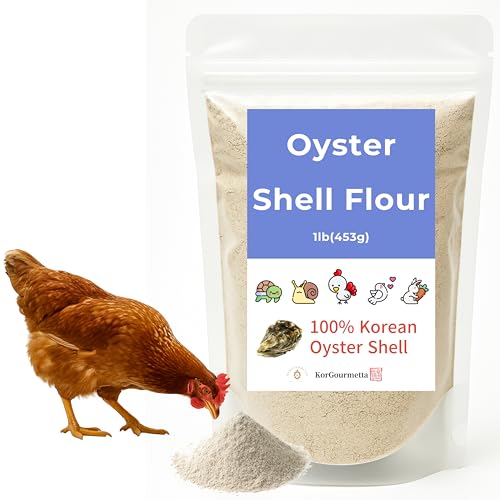
Finely Ground Oyster Shell Flour – Processed to a soft, flour-like texture that mixes well with common animal feed systems.

Flaked Oyster and Seashell Mix
A Two-Dish Feeding System for Mixed Backyard Duck Flocks
A two-dish feeding system effectively separates oyster shell from other feed components when managing a mixed backyard duck flock. By offering a balanced duck pellet in one dish and crushed oyster shell in a second, you enable natural self-regulation of calcium intake among your laying females. Use a shallow dish for the shell, regularly refilled, and place it close to the main feeder to encourage easy access. This setup prevents non-laying ducks, drakes, and ducklings from consuming excessive calcium, which could lead to health issues. Keeping oyster shell separate also ensures it is not mistaken for grit, which aids digestion. Overall, this simple system adapts as your flock’s laying status changes, maintaining a safe and efficient feeding environment.

May improve the hardness and durability of egg shells

Versatile Chicken Cage Cup: Elevate your coop setup with this 27oz chicken cage cup that works as a chicken waterer, chick feeder, quail feeder, duck waterer, or parakeet feeder, making feeding and watering poultry effortless and mess-free.

Easy Feed Level Monitoring with Viewing Slot: Simply remove the protective film from both sides of the acrylic strip and insert it into the viewing slot. This lets you check feed levels at any time, ensuring your chickens always have access to food without guesswork. Perfect for busy poultry owners who value convenience