

If you need to remove chain link fence posts, it can feel tricky, especially if they’re set deeply or stuck in concrete.
Luckily, there are simple methods to loosen, lift, or break them free with tools you might already have.
By soaking the soil, digging around the post, and using the right leverage or pulling techniques, you can pull out posts efficiently.
Keep reading to learn step-by-step ways to tackle even stubborn fence posts safely and with less hassle.
Soften the Ground and Expose the Concrete Footing
To soften the ground and expose the concrete footing, start by saturating the soil around the post with a garden hose for one to two hours. This helps loosen compacted or clay-heavy soil, reducing resistance during removal. Next, dig a perimeter trench with a shovel around the post to create a working gap that breaks the soil’s grip. Consider using food grade diatomaceous earth to keep pets away from the muddy work area without toxic risk. Expose at least the top three to four inches of concrete to ensure a secure grip when attaching lifting hardware or a chain directly to the footing. More concrete exposure, up to eighteen to thirty inches, provides better leverage and minimizes slippage during removal. Assessing the concrete footing integrity can help prevent the post from breaking apart, similar to how a stable coop base ensures long-term performance. Clear away grass and any debris for unobstructed access. Softer soil combined with visible concrete significantly simplifies the extraction process. Using barn lime in the excavated area can help dry out the damp soil and neutralize odors from the mud.

Heavy duty recycled rubber soaker hose is made to last many seasons

Premium Drip Hose for Efficient Watering: Our 75ft garden soaker hose features a double-layer design (flexible rubber core + high-density fabric sleeve)for consistent slow soaking seep, even drip irrigation directly to plant roots. Saves 80% water by minimizing evaporation—ideal for eco-friendly gardening.

Pry Out a Small Post With a Lever and Fulcrum
To pry out a small post using a lever and fulcrum, start by exposing the concrete footing around the post once the ground is softened. Place a sturdy fulcrum—such as a concrete block or a heavy timber—close to the base of the post. Positioning the fulcrum near the post maximizes the lifting force. Use a strong 6-foot 2×4 or a pry bar as your lever, setting it on the fulcrum like a seesaw with the fulcrum offset so the lever can move freely without binding. This setup functions as a second class lever, with the fulcrum at one end and the load in the middle for maximum force advantage. Secure a hook, cleat, or rope attachment near the bottom of the post, a few inches above ground level, to improve leverage. Apply steady downward pressure on the free end of the lever to lift the post slowly. If the post stops lifting, reposition the attachment higher up and continue. Rock the post side to side to loosen any remaining resistance. Always keep your hands clear of pinch points for safety. For added engagement, consider offering a treat or toy to reward the chickens for their patience during the process. Selecting quality wire cutters can help if you need to trim any attached chain link before prying. For a more stable fulcrum, consider using a heavy timber leftover from the shed roof framing.
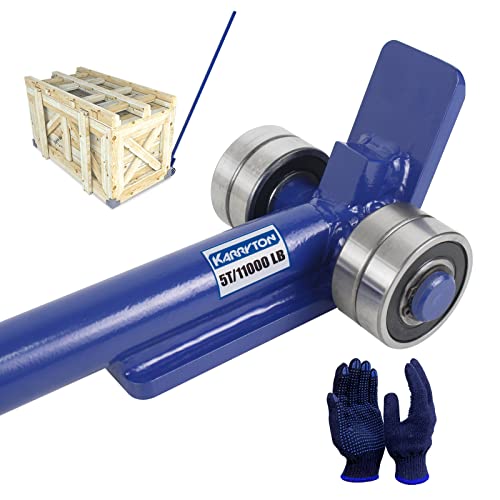
【LOAD CAPACITY】- KARRYTON pry lever bar has a maximum of 5T/11000LBs load capacity. Perfect for loading and unloading heavy duty equipment, furniture, containers and many more.

【LOAD CAPACITY】KARRYTON pry lever bar has a maximum of 3T/6600LBs load capacity. Perfect for loading and unloading heavy duty equipment, furniture, containers and many more.

Easy Leverage: This 60 in pulley pry bar uses a widened base plate to increase contact area and stability. You lift bulky items with less strain and move faster when big jobs need a nudge
Use a Farm Jack for Concrete-Set Post Removal
A farm jack provides a powerful and efficient method for removing concrete-set chain link fence posts. To stabilize the post, place the jack on a solid, flat base such as a piece of plywood to prevent sinking. Wrap a heavy-duty chain tightly around the post’s base near the concrete, using a choker wrap to ensure a secure grip. As you lift, the chain will tighten, helping to pull the post free. Hook the chain to the jack’s lifting toe and slowly pump the handle, allowing the jack to take on the weight and break the concrete from the soil. Slight rocking of the post can help loosen it further. Always stand clear of the chain’s line of pull to stay safe. The jack method allows for safe, controlled application of force, making it effective in rocky or hard-packed soil conditions. For a completely different type of pest issue, diatomaceous earth is commonly used to eliminate mites by dehydrating them. Once the post begins to lift, reposition the chain or jack if needed, then lower everything carefully after removal. You should avoid common application mistakes like using wet powder, which renders it ineffective. For those seeking automated solutions, consider using a timer feeder to simplify daily feeding routines for your livestock.

HEAVY-DUTY POST REMOVAL WITHOUT DIGGING - Quickly remove T-posts, 4x4 wood posts, and broken or rotted fence posts without back-breaking digging, saving time and labor on farms, ranches, and construction sites.

【Superior Rust-Free 304 Stainless Steel – Outlasts Galvanized 】This Upgraded Fence Post Remover features a thick stainless-steel cable & 304 steel chain that far surpasses galvanized parts in corrosion resistance. The ultimate heavy-duty fence post removal tool for lasting farm repair and DIY performance.
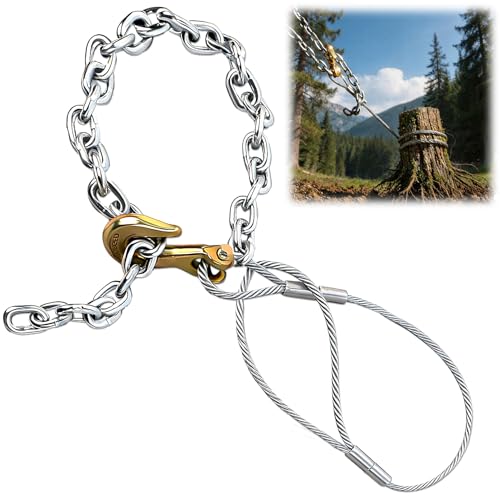
Effortlessly remove posts: Say goodbye to backaches and grueling labor with our upgraded fence post remover! Remove stubborn 4x4 fence posts and stakes in minutes. Simply wrap galvanized aviation steel cable around the post, attach the 1/4-inch chain to a jack or lever, tighten, and lift—no digging or hammering required.
Pull Stubborn Posts With a Truck or Tractor
To pull stubborn posts that resist hand removal and can’t be freed with a farm jack, using a truck or tractor provides the necessary lifting force. Begin by loosening the soil around the post with a digging bar and rocking it to break the grip. Adding water beforehand softens the ground, making the pull easier. For heavy telephone poles, a tractor with a large choke strap secures the post effectively for solo removal. Using lightweight materials for any attached structures, such as a DIY chicken saddle, can reduce the overall strain on the pull. Ensuring your coop has adequate fresh air helps keep birds comfortable during this strenuous work. Before removing the post, clean up any spilled cracked corn in the area to avoid attracting pests to the loosened soil.
Focus on post alignment by keeping the pull vertical to prevent bending or breaking the post. Use a tow chain routed over a stable point or a cinching wrap to lift the post straight up instead of sideways. When operating a tractor, lift steadily without jerking—if the front end lifts, ease off immediately. For a truck, pull in a direction that encourages upward movement rather than sideways.
Safety is critical. Clear the area, keep bystanders away, and stand clear because the post can release suddenly. Always verify that chains and hooks are rated for the load to prevent accidents or equipment failure.

These 1-Inch wide double box-stitched Nylon webbing straps with 3/4-Inch elastic easily adjust by attaching the rings to a snap on a saddle or belt

Replacement parts: 237 703971 290831 Rotary Universal Push Pull Choke Cable

SPECS - (5) Chain Ratchet Tie Downs | Length: 30 ft | Width: 2" | Assembly Break Strength: 10,000 lbs | Working Load Limit: 3,333 lbs | Strap Material: Polyester | End Fitting: 18" Chain Extension with Grade 70 Grab Hooks | Weight: 8.4 lbs each
Break or Cut the Footing When It Won’t Budge
If a footing won’t budge, cutting it is often the most effective way to free it. Start by choosing the right method based on the size and reinforcement of the footing. For standard concrete footings, you can use a cold chisel and a hand sledgehammer; score the concrete first to guide cracks and make breaking easier. For larger or reinforced footings, a jackhammer speeds up the process, allowing you to break up the concrete more efficiently. For a more durable long-term result, you can instead secure welded wire fence to the wood post using heavy-duty staples or fence ties. If you are managing multiple posts, consider using an automatic waterer to simplify your daily chores and keep your chickens hydrated.
When breaking concrete proves too slow or difficult, cut the footing with a circular saw equipped with a masonry blade. Make shallow passes around all sides first, then cut deeper to sever steel reinforcement like rebar. Once the concrete is weakened enough, a pry bar provides leverage for removal. Remember to always wear eye protection, gloves, and hearing protection whenever striking or cutting concrete to avoid injury. Note that if the footing contains hardware cloth, it can rust over time and weaken the concrete structure.

The product is 7", High Performance Masonry Blade

The product is 7", high performance masonry blade, 5/8" Diamond knock out arbor

Specifications: Diameter: 7”/180 mm,Thickness: 2,4 mm,Segment Height 10 mm,Segments number: 14,Bore: 22.23 mm, With a 7/8"-5/8” adapter