

Wondering if your chickens need grit and oyster shell? The answer depends on what they eat.
Grit helps grind up whole grains and kitchen scraps, while oyster shell provides essential calcium for strong eggshells.
Knowing when and why to offer each can keep your flock healthy and thriving.
Here’s what you need to know about these two supplements and how to use them properly.
What’s the Difference Between Grit and Oyster Shell?
Grit and oyster shell serve different functions in your flock. Grit is a mechanical digester that remains hard in the gizzard to grind up grain and bugs, while oyster shell dissolves to provide a calcium supplement for strong eggshells.
Grit is made of crushed granite or stones and does not dissolve in the digestive system. It stays in the gizzard for weeks, physically breaking down tough seeds and fibrous plants, which helps boost fiber digestion and makes nutrients more accessible. For quail, the best results come from using a small-sized grit designed specifically for their smaller gizzards. When choosing a coop with a run, ensure you can provide grit and oyster shell in separate feeders to match your birds’ needs.
Oyster shell, on the other hand, is soluble and gradually dissolves in your hen’s digestive acids. This releases calcium directly into her system, which is essential for forming thick, durable eggshells. Grit offers no nutritional value, but oyster shell provides a vital calcium source. They are not interchangeable—grit handles grinding, while shell supplies necessary calcium supplementation. Unlike grit, diatomaceous earth can also eliminate mites by physically damaging their exoskeletons.

Excellent Source Of Minerals And Essential Calcium
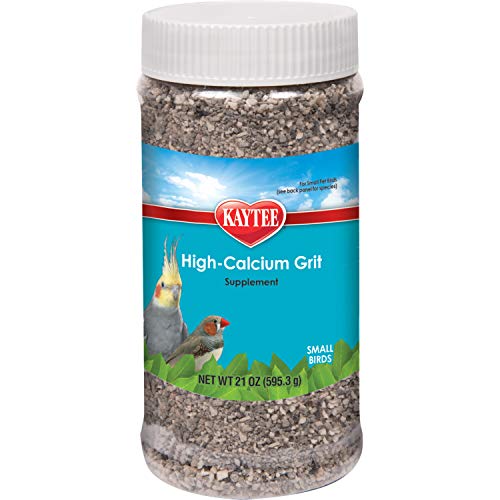
Great for Cockatiels, Parakeets, Canaries & Finches

May improve the hardness and durability of egg shells
When Does Your Flock Actually Need Grit vs. Oyster Shell?
Grit is necessary whenever your flock consumes non-complete feeds like scratch, greens, or kitchen scraps. You don’t need grit if they are only eating commercial starter, crumble, or pellets because these are formulated to be easily digestible. Once you introduce treats outside of a complete feed, provide grit immediately to help hens grind up their food. For chicks, chick-sized grit is essential before they receive their first treats, even if they are only a few weeks old, ensuring proper digestion early on. You can also save money by building a DIY chicken dust bath with simple materials to support their overall hygiene and health. Oyster shell should be introduced only when your hens are nearing 18 to 20 weeks of age or when you notice the first eggs. It’s a calcium supplement specifically for laying hens to support strong eggshells. Lay only enough oyster shell for those actively producing eggs, as hens not laying do not need the extra calcium. Both confined and pastured birds benefit from free-choice grit, but oyster shell should be offered separately and only to hens that are laying. Adjust both supplements based on your flock’s actual consumption and egg-laying activity. Providing grit mimics the way saddle feathers help roosters protect hens during foraging by ensuring proper digestion when eating whole grains. A dust bath made with diatomaceous earth can also help control external parasites safely when used correctly.

ESSENTIAL GRIT FOR HEALTHY DIGESTION: Manna Pro Chick Grit aids proper digestion in chicks & bantam breeds by helping grind whole grains and poultry feed in the gizzard; our chick grit supports optimal nutrient absorption and overall gut health.
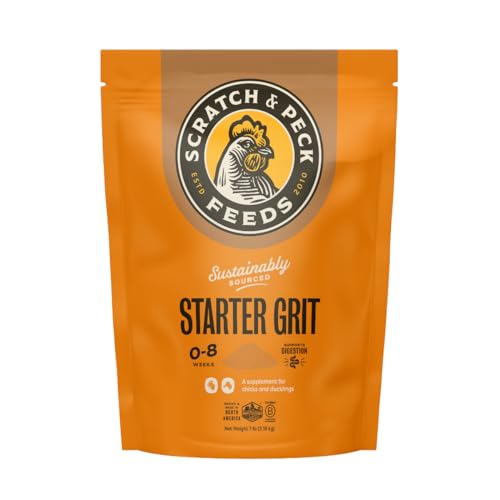
Necessary For Digestion - Made up of insoluble crushed quartzite or granite, grit remains in the bird’s gizzard to help with digestion. Grit is an essential part of your bird’s diet and should always be provided.

ESSENTIAL POULTRY GRIT FOR CHICKENS & GAMEFOWL: Premium grit for chickens made from natural granite grit for chickens, essential for grinding whole grains and improving digestive health for poultry; a must-have to include in your chicken coop accessories
Which Chickens Need Oyster Shell (and Which Don’t)?
Only actively laying hens need oyster shell for extra calcium. You should offer it free-choice around 18–20 weeks of age or when the first eggs appear. This allows hens to self-regulate their intake based on their laying frequency. Since laying hens are the main birds that require additional calcium for strong shells, providing oyster shell supports their natural behavior and dietary needs.
You do not need oyster shell for pullets that are not yet laying, roosters, or older hens that have stopped laying. Their regular feed already supplies sufficient calcium for maintenance. Adding oyster shell for these birds can disrupt the balanced formulation of their feed and isn’t necessary. For a mixed flock, offer oyster shell separately so only the laying hens can access it. This approach helps keep everyone healthy and prevents over-supplementation of non-laying birds.
Why Grit Won’t Replace Oyster Shell (and Vice Versa)
Grit and oyster shell are not interchangeable because they serve different functions in your flock’s diet. Grit remains hard and insoluble, helping grind feed in the gizzard to aid digestion. It’s essential for breaking down whole grains and coarse forage, supporting your chickens’ natural feeding habits. For this reason, t post clips can be useful for securing a sturdy grit container in the run, preventing it from being tipped over by curious birds. When selecting a feeder to deliver this grit, a quality grit feeder ensures the insoluble particles remain clean and accessible, preventing contamination that could reduce their effectiveness. Oyster shell, on the other hand, dissolves in the gut to provide calcium necessary for producing strong eggshells. Since oyster shell does not act as a grinding aid, using it instead of grit leaves your birds unable to mechanically digest their feed. Additionally, grit offers no calcium, so neglecting oyster shell in a layer’s diet can lead to calcium deficiencies. Remember, grit is for grinding, oyster shell is for calcium — each has a distinct role that the other cannot fulfill. For those seeking the best options, reviews of Top Chick Feeders can help ensure your birds receive quality performance from their feeding equipment.

【Automatic Filling Chicken Feeder】This chicken oyster shell feeder is specifically designed for feeding chicken sand and oyster shells. With its large capacity, it can easily meet the food needs of 6 chickens for up to 15 days. The chicken grit feeder adopts a gravity based feeding mechanism, which ensures a continuous and stable feed supply, eliminating the trouble of daily feeding for you.

Easy Feed Level Monitoring with Viewing Slot: Simply remove the protective film from both sides of the acrylic strip and insert it into the viewing slot. This lets you check feed levels at any time, ensuring your chickens always have access to food without guesswork. Perfect for busy poultry owners who value convenience
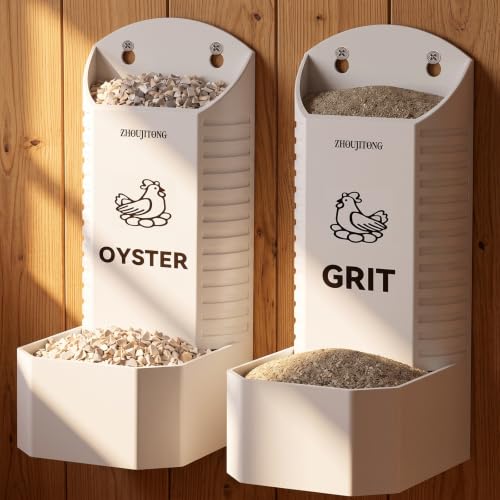
2-Pack Chicken Grit and Oyster Shell Set: Corrosion- and rust-resistant, with a smooth surface that’s easy to clean; features built-in drainage holes to prevent food from getting damp; and an integrated deflector plate design that ensures not a single grain of food goes to waste
How to Feed Grit and Oyster Shell the Right Way
Use chick-sized grit for birds under 8–12 weeks, then switch to standard adult grit. Offer oyster shell only to laying hens starting around 18–20 weeks, as a calcium supplement for shell formation. Keep grit and oyster shell separate from your main feed to prevent waste and ensure your birds consume the right amount. Grit is essential primarily for digesting grains and plant materials, as chickens lack teeth and rely on it to grind food in their gizzard. Backyard chicken keepers consider insoluble granite grit a necessary tool for ensuring proper digestion of fibrous feeds. For protective roofing materials, consider that metal roof options are also durable and easy to clean, supporting a healthy coop environment. The best layer feed typically includes balanced calcium, but free-choice oyster shell ensures hens get exactly what they need for strong eggshells. Regularly clean and replenish these supplements to maintain their effectiveness and keep your flock healthy.
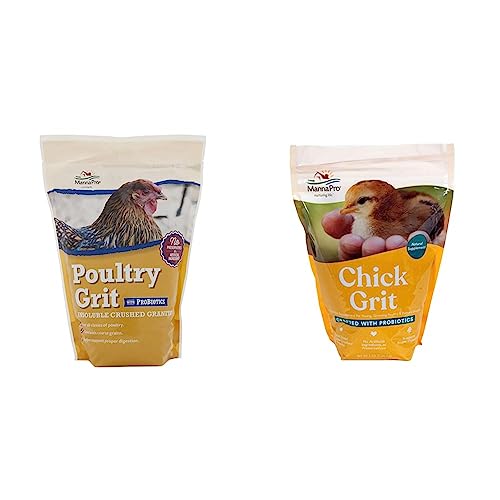
Product 1: Insoluble crushed granite for all classes of poultry

Insoluble crushed granite safe for all types of poultry.

The information below is per-pack only
When to Skip Both Supplements (and When Not To)
You should skip both grit and oyster shell when your flock is fed only complete feed and has outdoor ground access. In this setup, chickens naturally pick up small stones and calcium sources from the soil, making supplemental grit and oyster shell unnecessary. If your hens are on a processed diet like pellets or crumbles, you can also skip grit entirely because these forms do not require grinding. For non-laying birds like roosters or chicks, skip oyster shell since excess calcium can harm their development. However, do not skip grit when your birds consume whole grains, scratch grains, or forage, as these foods need grinding in the gizzard. Confined birds that lack access to soil also require supplied grit to aid digestion. For those keeping chickens in colder climates, a heat lamp can help maintain a warm environment that encourages consistent feeding and digestion. Active laying hens must have oyster shell available because their eggshell production demands extra calcium. Watch their behavior: if layers are raiding oyster shell, it indicates they need more calcium; if non-layers ignore it, you can safely skip it. A similar principle applies to quail, where chick starter may lack sufficient calcium for laying hens but can be safely fed to chicks or non-layers. Constructing a DIY feeder with appropriately sized ports can help reduce waste and ensure birds access only the feed they need.
How to Set Up Free-Choice Feeding for Mixed-Age Flocks
To set up free-choice feeding for a mixed-age flock, start by providing the appropriate feed for the youngest birds—usually a complete all-flock or grower feed—as the base diet for everyone. This ensures that growing pullets receive the nutrition they need without the risk of harm from mature layer feed, which is higher in calcium. Keep this complete feed available free-choice during the birds’ waking hours, and do not mix oyster shell into it. Instead, set up separate containers for supplements like oyster shell and grit. For convenience, consider using an automatic waterer to ensure clean water is always available alongside the feeders. When planning your coop, pay attention to coop design choices that protect supplement containers from rain and wind. For a cost-effective approach, you can use a DIY feed bin to store large quantities of the base feed securely and reduce waste.
Place these supplement containers in weather-protected locations, such as wall-mounted cups or feeders, so all birds can access them without crowding. These should be always available, with no strict feeding schedule, allowing each bird to regulate its intake naturally. Laying hens will selectively consume calcium from the oyster shell, while roosters and younger birds tend to ignore it. Offer grit separately as well, especially if your birds eat whole grains or forage, to aid digestion. This setup helps prevent overfeeding calcium to non-laying birds and lets each bird self-regulate its nutrient intake effectively.
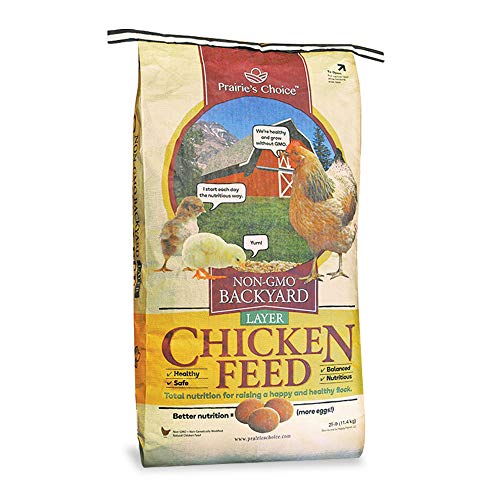
Non-GMO, all-natural, antibiotic-free, non-medicated, and gluten-free
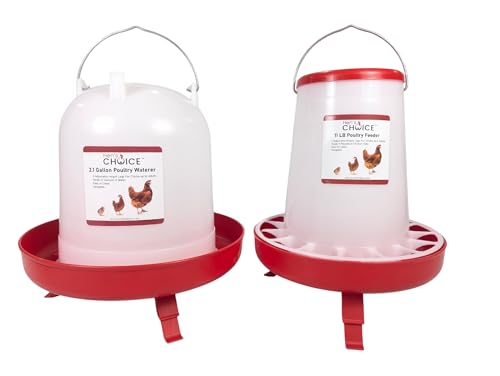
COMPLETE SET: Includes an 11-pound capacity poultry feeder and 2.1-gallon waterer, perfect for maintaining multiple chickens from chicks to adult birds

PREMIUM CHICKEN FOOD FOR LAYING HENS WITH OMEGA-3: High-quality chicken layer feed made for strong egg production; fortified with chicken feed omega 3 & extra chicken feed calcium to support healthy shells & provide complete daily nutrition for your hens