

Are you wondering what hemp bedding is and why it’s gaining popularity? It’s made from the woody inner core of the hemp stalk, called hurd, which is shredded into a loose, absorbent material.
This bedding soaks up three to four times more moisture than straw or wood shavings and helps keep stalls smelling fresh by trapping ammonia odors.
Keep reading to learn all about how it works and why it might be a good choice for your needs.
What Exactly Is Hemp Bedding Made From?
Hemp bedding is primarily made from the woody inner core of the hemp stalk, called hurd. After harvesting, the hurd is separated from the outer fibers and dried. It is then shredded into a loose, absorbent texture suitable for bedding purposes. Sometimes, the outer stalk fibers are processed into fabric for sheets or pillowcases, but the most common form is pure hemp hurd. This natural, compostable material contains no additives, making it an eco-friendly choice that directly derives from the plant’s stalk. It is particularly effective for chicken run floors because it absorbs moisture and controls odor better than many other options. This bedding can be used safely alongside hardware cloth to keep your flock protected from predators while maintaining a clean and dry environment. For optimal health, hemp bedding also supports top layer feeds by keeping the feeding area clean and dry.
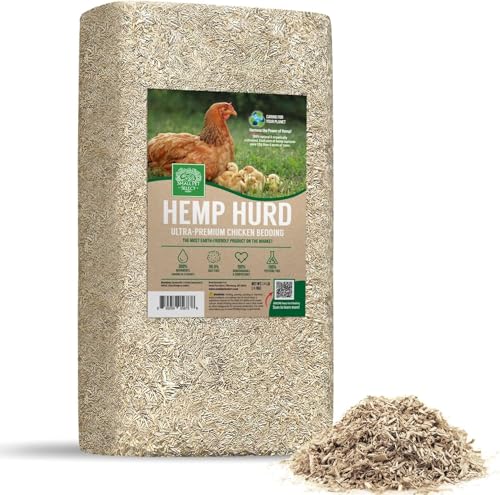
Superior Absorbency: Absorbs up to 400% of its weight in moisture, reducing the need for frequent cleaning and minimizing odors.

4X ABSORBENCY – Old Dominion Hemp bedding absorbs up to 4x its weight, keeping your chicken coops, small animal enclosures, and keep reptile habitats fresh. Ideal for a low-maintenance and fresh-smelling environment.
How Does Hemp Bedding Compare to Straw and Wood Shavings?
Hemp bedding outperforms straw and wood shavings in absorbency, odor control, and cleanliness. It absorbs three to four times more moisture than straw or wood shavings, which keeps your animal’s environment drier for longer periods. This increased absorbency also enhances odor management because hemp traps ammonia and other smells more effectively, resulting in fresher stalls between cleanings. For chickens, choosing the right bedding is important because oyster shell for chickens provides essential calcium for strong eggshells, a topic covered in reviews of the best options. Environmentally, hemp is more sustainable and compostable, making it the eco-friendly choice. While straw is typically less expensive initially, hemp’s superior moisture absorption extends its usability, often making it more cost-efficient in the long run. Wood shavings fall somewhere in between on the cost spectrum. Hemp also produces very little dust, unlike straw and wood shavings, which can irritate respiratory systems. For rodent enclosures, using 1/2 inch hardware cloth is crucial because it prevents mice from squeezing through gaps, a common issue with coarser mesh. Overall, hemp provides a softer, drier, and cleaner bedding solution compared to traditional options.
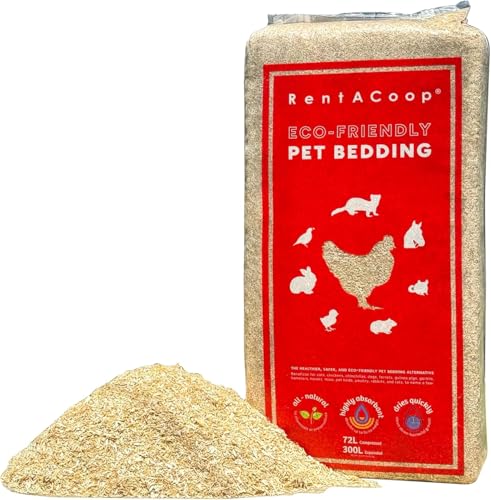
SOFT BEDDING FOR COOPS & SMALL PETS | Extra-soft rounded hemp fibers are gentle on feet, feathers, skin, and paws. Ideal for chickens, chicks, rabbits, guinea pigs, hamsters, and gerbils, whether used in chicken coops, nest boxes, brooders, hutches, cages, or small pet habitats

USA-Grown Hemp Hurd Bedding: Made from natural hemp hurd, the soft inner core of the hemp stalk, for chickens, rabbits, guinea pigs, hamsters, and other small pets.

BULK HEMP BEDDING FOR SMALL ANIMALS – 40L value pack (4 x 10L bags) ideal for rabbits, guinea pigs, hamsters, rodents, birds, reptiles, and multi-pet homes. A natural cage bedding alternative to paper bedding, pine shavings, or aspen for everyday use.
How Does Hemp Bedding Absorb Moisture So Well?
Hemp bedding absorbs moisture exceptionally well because its internal structure is optimized for quick liquid uptake. Its highly porous hurd acts like a network of tiny straws, drawing moisture inward through capillary action instead of allowing it to sit on the surface. This design enables hemp bedding to absorb about four times its dry weight in liquid, occasionally reaching five times. The cellulose in hemp fibers contains hydroxyl groups that attract and lock in water molecules. Hemp also interacts with humidity, pulling moisture from damp air and releasing it when conditions dry, preventing the bedding from remaining soggy. This efficient moisture control supports nutrient absorption, maintains proper pH balance, and helps foster a healthier environment for your animals. If you are selecting bedding for a flock of six chickens, reviewing the best vent options for your coop will help ensure proper airflow alongside the bedding’s moisture management. Hemp bedding’s superior moisture management makes it an excellent choice for best chicken coops designed to keep six birds dry and comfortable. For those building their own setup, a DIY chick brooder can be an affordable way to house chicks with hemp bedding from the start.
Why Does Hemp Bedding Control Ammonia Odors Better?
Hemp bedding controls ammonia odors better because it acts on multiple fronts simultaneously. First, it wicks moisture away from manure, which slows down microbial activity that creates ammonia. Its porous fiber structure also traps ammonia gas directly through adsorption, preventing it from escaping into the air. Keeping conditions drier further reduces the enzymatic breakdown of urea, a key source of ammonia. Hemp bedding is highly absorbent and lasts longer than straw, making it a more sustainable choice for managing coop conditions. Since hemp physically captures odors, you don’t need added fragrances. Regularly turning the bedding and ensuring good ventilation will enhance its odor-control performance, helping stalls, coops, or enclosures stay fresher longer. Choosing the Perfect Roost for your chicken coop also benefits from these moisture-wicking properties. For best results, avoid common mistakes like failing to secure clips properly when assembling fencing.
Is Hemp Bedding Really Dust-Free for Sensitive Animals?
Hemp bedding is generally low-dust, not dustless. While many pet owners choose it for sensitive animals, it isn’t completely free of fine particles. When you pour or stir the bedding, small dust clouds can still form, which may irritate delicate airways. Even your pet’s dental health can benefit from a cleaner environment, but you shouldn’t expect zero particles. Similarly, for hatching quail eggs, choosing the right incubator is critical for maintaining clean air quality and proper humidity. The actual dust level depends on how you handle the bedding and the product’s quality. Independent observations show measurable fine dust, especially during cage changes. For highly sensitive animals, it’s important to monitor their reactions and choose high-quality, dedusted hemp bedding. Remember, “dust-free” means reduced dust, not completely dustless. Just as with sand for your chicken coop, selecting a low-dust material can help improve respiratory conditions for your flock. Introduce it gradually and watch for any signs of respiratory irritation. Just as with chicken coop designs, selecting the right setup can significantly impact air quality and animal health.
Is Hemp Bedding Soft and Comfortable for Animals?
Hemp bedding is generally soft and comfortable for animals, making it a popular choice for resting or nesting. The fine hemp hurd creates a cozy, cushioning surface that feels gentle underfoot, helping to reduce pressure points. This softness stays dry because hemp can absorb up to four times its weight in moisture, wicking dampness away and providing lasting comfort. Additionally, hemp bedding supports olfactory comfort by minimizing ammonia smells, which helps keep the enclosure fresh. For durability, the soft structure holds up well, meaning you won’t need to change it frequently. Rabbits, guinea pigs, horses, and chickens all benefit from this supportive, dry surface. Using about 1.5 to 2 inches of bedding maximizes comfort for sensitive paws or hooves. For ducklings, however, cracked corn should only be given sparingly as a treat and not as a substitute for hemp bedding or their complete feed. Pine shavings are another common bedding option for chickens, offering similar absorbency and odor control. When selecting a coop for 30 chickens, consider the size and ventilation to ensure the bedding remains dry and effective.
Where Can You Use Hemp Bedding?
You can use hemp bedding almost anywhere you’d house animals. It’s well-suited for horse stalls, chicken coops, small animal cages, and reptile habitats. In horse stalls, especially when placed over rubber mats, hemp bedding helps control moisture and odors while producing minimal dust. For poultry, it replaces traditional straw or shavings in coops and deep-litter systems, providing similar benefits such as absorption and odor control. When choosing chickens for a backyard flock, a straight run chicken means you receive unsexed chicks, which is a common practice for those raising birds for meat or eggs. Small animals like rabbits, guinea pigs, and hamsters benefit from its softness, which makes it comfortable for nesting and resting. Reptiles, on the other hand, thrive on hemp bedding because it’s a natural, low-dust substrate that mimics their natural environment. For a long-lasting setup, animals are kept secure when you attach fencing with wooden posts using the correct tools and spacing. Hemp’s sustainability as a crop—requiring minimal pesticides and synthetic inputs—makes it a clean and eco-friendly choice for livestock such as cattle, pigs, and goats. You can also use it in kennels and general animal housing areas where hygiene, moisture absorption, and comfort are priorities. It’s versatile enough to be suitable anywhere hygiene and comfort are essential. If you are concerned about accidental ingestion, note that diatomaceous earth is safe for pets when used properly, as it is a non-toxic mechanical insecticide rather than a chemical one.

150L COVERAGE: Approximately 33 lb of 100% hemp bedding, providing 150 L of expanded coverage. Designed for use across different animals and environments, it naturally helps with odor in high-ammonia environments.

NATURAL HEMP BEDDING – MADE IN THE USA: 100% clean, natural hemp hurd bedding delivers comfort, absorption, and promotes cleaner smelling spaces for pets and livestock. Grown using regenerative practices on our 5th‑generation family farm and packaged at our nearby facility in Kimball, Minnesota.

ULTRA-FINE SIFTABLE HEMP BEDDING: Processed for superior siftability, allowing for faster spot cleaning and efficient waste separation to extend the life of your coop bedding
How Long Does a Bag of Hemp Bedding Last?
The lifespan of a bag of hemp bedding depends on several factors, including enclosure size, bedding depth, and your maintenance routine. For example, a 33-pound bag of hemp bedding covers approximately 30 square feet at a 2-inch depth. In a deep-litter chicken coop, you might need to top up every two to four weeks, with the entire bedding replaced every 8 to 16 weeks. Regular cleaning, such as spot-cleaning waste and turning the bedding often, can extend its use from weeks into several months. This performance is supported by hemp’s up to 4x its weight in absorption, effectively managing moisture to maintain a dry environment.
In a horse stall using deep-litter management, one 44-pound bag can last nearly a year, assuming good ventilation and moderate occupancy. More animals or poor airflow can reduce this lifespan. Hemp’s ability to hold four times its weight in moisture helps it stay effective longer than pine shavings when moisture levels are kept in check. Proper moisture management is key to maximizing the bedding’s longevity.

HEMP BEDDING FOR SMALL ANIMALS – Premium hemp bedding for rabbits, guinea pigs, hamsters, rodents, birds, reptiles, and more. A natural cage bedding alternative to paper bedding, pine shavings, or aspen, designed for comfort, cleanliness, and sustainability.
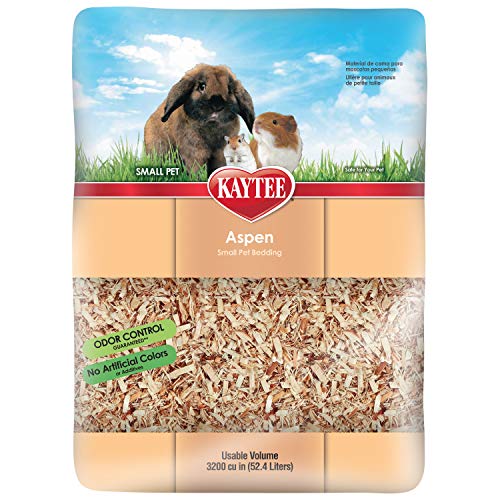
ALL-NATURAL ASPEN SHAVINGS, crafted for a natural, comfortable habitat

HIGHLY ABSORBENT FOR DRY COOPS & ENCLOSURES: Natural hemp fibers quickly capture moisture to help keep chicken coops, nesting boxes, brooders, rabbit cages, and animal habitats cleaner, drier, and more comfortable
What Does Hemp Bedding Cost and Where Should You Buy It?
Hemp bedding costs typically range from about $15 to $30 for a 20- to 50-pound bag. Prices vary depending on the brand, quality, and source, so shopping around is key to getting the best deal. Large-scale buyers often find better value by purchasing in bulk or directly from manufacturers, which can lower your cost per pound.
You can buy hemp bedding at farm stores such as Tractor Supply Co., directly from brands like Dominion Hemp, or through specialty retailers like New Country Organics. When comparing prices, focus on the cost per unit volume or weight, not just the sticker price of the bag. Shipping fees can significantly impact your overall savings, so consider local pickup options if you plan to buy in heavy loads. Combining these strategies ensures you’re getting the most economical deal for your needs.

Natural & Eco-Friendly: Made from 100% natural hemp, our bedding is an eco-conscious choice for your chicken coop or small animal habitat.

COMPACT AND CAPABLE: This mini backpack comfortably fits a tablet, small notebook, phone, wallet, keys, snacks, sunglasses, and a few extras, all within a structured 10.5″ x 3.25″ design. An internal slip, organizer pockets, and a top flap with a magnetic closure that opens to an easy-cinch drawstring opening keeps everything easy to grab on the go.

Clean, Natural Hemp Bedding: Naturally grown without added chemicals, so you can trust your animals are resting on clean, natural bedding
Why Is Hemp Bedding a More Sustainable Choice?
Hemp bedding is a highly sustainable choice because it grows quickly with minimal water and few chemicals. Unlike cotton, which often requires extensive irrigation and pesticide use, hemp can thrive without extra watering in many regions. Its natural resistance to pests means you typically avoid synthetic pesticides, reducing chemical inputs across the supply chain. Hemp also produces more fiber per acre compared to cotton or flax, meaning you can create more bedding from less land. Its deep roots help prevent soil erosion and naturally absorb toxins from the ground, improving soil health over time. Additionally, hemp acts as a carbon sink, absorbing large amounts of CO₂ as it grows. When disposed of, hemp bedding biodegrades in about a month, leaving no waste behind. All these factors contribute to a lower environmental impact without sacrificing comfort or quality.