

Worried about keeping your chickens cozy through the cold winter months? If so, you’re not alone. Maintaining a warm, dry coop is key to healthy, happy birds all season long.
The good news is that with a few simple adjustments, you can create a cozy environment without costly heaters. Keep reading to learn practical tips for winterizing your coop effectively.
Seal Drafts in Your Winter Chicken Coop Without Blocking Airflow
Seal gaps at roost height and below to prevent drafts from reaching your birds while maintaining proper airflow. Focus on sealing walls where they meet the flooring, around doors and windows, and at low siding joints. Use a tissue-paper test near these areas to detect moving air—any area where tissue moves indicates a draft. Small cracks can be sealed permanently with caulk, whereas larger low openings may require plywood or cardboard covering. The key is strategic airflow management: you want to block drafts at roost level but keep high vents open so moisture can escape above the birds’ heads. Block low windows and screens that create horizontal airflow across sleeping birds, as this can cause discomfort or chill them. Adjustable vent covers are more effective than tarps that reach the ceiling because they allow precise control. Providing clean cracked corn in feeders outside the sleeping area can help maintain energy levels during cold weather. Prioritize sealing points at or below roost height and leave upper vents open to ensure good ventilation and moisture control during winter. For an additional energy boost, consider supplementing their diet with fermented chicken feed to improve digestion and nutrient absorption during harsh conditions. For removing old fence posts to reclaim materials for coop repairs, consider using a specialized post puller that leverages mechanical advantage to break the concrete bond quickly.

Versatile Sealing for Cracks and Gaps: Ideal for sealing cracks around windows, door frames, and plumbing this weatherseal effectively blocks drafts and moisture. It is perfect for sealing gaps around window panes to prevent air and water infiltration, and can also be used to plug holes around plumbing, ensuring a comprehensive barrier against leaks and energy loss.

SEAL GAPS: Draft seal fills gaps around doors, door bottoms and windows; keep out unwanted dust, insects and pollen; help seal gaps in glass shower doors to prevent water leakage

STURDY ALLOY FRAME: Avoid bending and weather wear using an Aluminum Sliding Window and Aluminum alloy frame window engineered for standard Sliding Windows setups
Ventilate Your Winter Coop to Control Moisture Without Losing Heat
High-level ventilation is essential for moisture control in your winter coop. Place vents near the roof peak or gables so warm, humid air naturally rises and exits. Keep these high openings open year-round because they are your primary tool for removing moisture without losing heat. When installing these vents, be sure to avoid common mistakes like blocking them with insulation or debris, as outlined in the guide. Direct incoming air upward to allow it to mix with warmer air before reaching your birds. This helps preserve insulation and prevents chilling drafts. Use baffles or burlap on windward side openings to slow wind flow without sealing the vents shut. For durable, long-lasting vent installation, stretching hardware cloth properly over the openings prevents sagging and keeps out pests. Don’t wait until condensation or ammonia smells develop—maintain continuous airflow for best results. Using affordable materials like plywood and PVC can help keep your ventilation project cost-effective while ensuring durability. Adjust vent openings on milder days to improve air exchange, but reduce them during bitter nights. Never totally close the vents, as proper ventilation prevents frostbite and respiratory issues more effectively than an airtight, stagnant coop.

Maintain Good Ventilation: Designed to improve ventilation in chicken coop.Let in fresh air and reduce odors.The built-in mesh screen in the chicken coop vent prevent unwanted visitors like leaves and debris from entering the chicken coop.Create a comfortable coop for your chickens.

Keep Chicken Coop Well Ventilated: The chicken coop vent is designed to improve chicken coop ventilation, it circulates fresh air, reduces odors and optimizes air quality.The mesh screen built into the chicken coop vent prevents unwanted items such as leaves and debris from entering the chicken coop, creating a more comfortable living space for chickens.

Keep Air Flowing - Designed specifically for chicken coops, this air vent grille helps maintain good airflow and a comfortable temperature inside the coop, reducing odors and making your furry friends more comfortable!
Use 6-12 Inches of Deep Bedding for Real Winter Insulation
Use 6 to 12 inches of dry bedding for effective winter insulation. This depth creates a reliable barrier that lifts your birds off the cold ground, keeping their feet warmer and helping them stay comfortable. Use dry straw or pine shavings—wet bedding quickly loses insulation properties and can promote mold and discomfort. Many keepers now prefer hemp bedding for hens due to its superior absorbency and dust-free properties compared to straw or pine. To supplement their winter diet, you can offer cracked corn for chickens as a high-energy treat that helps generate body heat overnight. To maintain this depth, stir the top layer weekly to break up manure, support microbial breakdown, and prevent compacting. Add fresh bedding as the material settles or compresses to ensure the layer remains within the 6 to 12 inch range. Keeping the bedding dry and deep offers a simple, no-electricity solution for insulating your birds naturally throughout winter. For added entertainment and enrichment, consider placing top chicken toys in the deep bedding to encourage natural foraging behaviors.
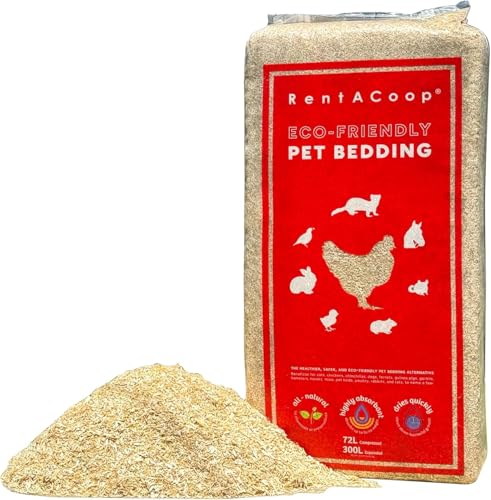
SOFT BEDDING FOR COOPS & SMALL PETS | Extra-soft rounded hemp fibers are gentle on feet, feathers, skin, and paws. Ideal for chickens, chicks, rabbits, guinea pigs, hamsters, and gerbils, whether used in chicken coops, nest boxes, brooders, hutches, cages, or small pet habitats


4X ABSORBENCY – Old Dominion Hemp bedding absorbs up to 4x its weight, keeping your chicken coops, small animal enclosures, and keep reptile habitats fresh. Ideal for a low-maintenance and fresh-smelling environment.
Insulate Coop Walls and Roof With Foam Board and Straw Bales
To insulate your coop walls and roof effectively, use rigid foam board and straw bales. Foam board provides about R-5 per inch, resists moisture, and is easy to clean. Cut each board tightly between studs and rafters, then seal all seams with caulk or foil tape to prevent heat from escaping. Cover the interior with plywood to block chickens from pecking at the foam. For the roof, aim for an R-value of 30 or higher because heat rises and a well-insulated roof minimizes heat loss. Maintaining a brooder temperature around 95°F for the first week is critical for chick comfort, but this principle is different for adult chickens in winter. Using barn lime in the bedding can also help control ammonia and moisture levels, improving overall coop conditions. Additionally, diatomaceous earth can eliminate mites by dehydrating them, though it must be applied carefully to avoid respiratory irritation for the flock.
On the outside, stack straw bales on the windy side of the coop for additional insulation, boosting R-value to between R-30 and R-35. Straw bales create a dead-air space that acts as a wind barrier, further reducing heat loss. Keep the bales dry and secure them with twine to prevent mold or collapse over time. Combining foam board inside and straw bales outside addresses the main areas where heat escapes, providing effective insulation while avoiding moisture buildup.

Reflective Window Insulation: Our rv window insulation is well-made, which is weight of 200 g / 10.76 sqft. It is of good material and long-lasting
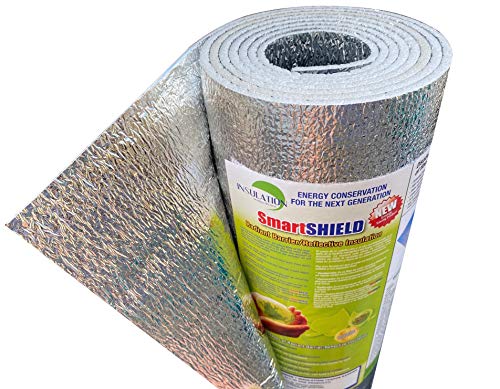
EXTREMELY EFFECTIVE - reflect 95% of radiant energy, perfect RADIANT BARRIER.

Strong Sticky & Seal Well : Single neoprene fabric sheets are made of EVA material, spongy and stick for a long time. It has high density, shock-absorbing, closed-cell and foam adhesive (adhesive is strong and adhered to stone)
Give Your Chickens Wide Roosts for Warmer Winter Nights
Wide wooden roosts measuring at least 2 inches in width are ideal for keeping your chickens’ feet warm during winter nights. A flat 2×4 placed on its wide side allows chickens to rest flat-footed, covering their toes with their body feathers to reduce frostbite risk. For larger breeds or added comfort, 4-inch-wide perches are preferable. Providing 9 to 12 inches of space per chicken ensures they won’t crowd each other, promoting better rest and warmth. Place roosts at least 12 inches above the ground, above nest boxes, and use smooth wood with rounded edges to prevent splinters and injuries. Avoid metal or plastic roosts, as these materials tend to retain cold and can increase the chance of frostbite. Properly designed roosts help your flock settle comfortably and stay warmer through cold winter nights. When selecting materials, always compare the top options to choose roosts that best insulate against the cold. This setup also helps chickens keep off cold floors for additional warmth.
Should You Use Supplemental Heat in a Winter Chicken Coop?
Heat lamps pose a significant fire risk and are generally unsafe for chicken coops. Instead, opt for safer alternatives like thermostatically controlled flat-panel heaters if you need to add warmth. Overheating can cause dangerous moisture buildup, which increases the risk of frostbite and other health issues for your birds. Artificial heat can also interfere with their natural cold hardening process, making them less resilient over time. For those on a budget, browsing reviews of the best chicken coop options can help you find a well-insulated model that reduces the need for supplemental heat. If you do use any heat source, you must still practice regular deworming to maintain flock health despite the added stress. When considering incubation of new birds, remember that proper temperature control is critical for hatching success, similar to how quail egg incubators maintain precise conditions.
In most cases, maintaining proper coop conditions relies more on managing moisture, drafts, and insulation than on adding artificial heat. Deep bedding, good ventilation, and well-designed roosts help keep your chickens warm naturally. Prioritizing these methods not only preserves the coop’s appearance but also enhances safety and supports your birds’ health.

Chicken Coop Heater: Keep your birds warm and prevent frostbite with Cozy Products Cozy Coop is a radiant heater that provides consistent, gentle heat without overheating your pets, making it ideal for outdoor coops and freezing winter temperatures.

Smart Management: The TIMEBAL Chicken Coop Heater is compatible with outlet timers and thermostatic plugs. It automatically turns back on when power is restored after an outage. For specific operation details, please refer to the user manual. (Note: Outlet timers and thermostatic plugs are not included.)
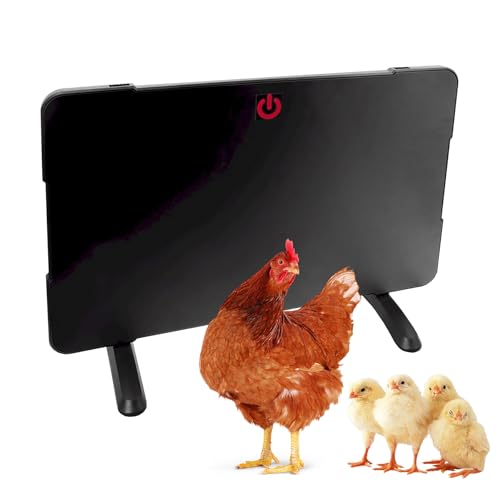
2-in-1 Radiant Panel: 1 panel does 2 jobs, running as a 200 watt chicken coop heater or converting to a 50 watt horizontal brooder heater for baby chicks in the brooder box
Adjust Feeding and Egg Collection to Reduce Cold Stress
To reduce cold stress, you should increase your chickens’ feed by up to 25% during cold spells. Keep feeders full so they never run out, ensuring your hens get enough energy to stay warm. A standard balanced layer diet with 14–16% protein is suitable, but gradually add fat or oil to boost dietary energy. Offering scratch grains before roosting provides extra calories for overnight warmth. Maintain free-choice grit to aid digestion and always provide warm water to encourage drinking and prevent dehydration. For added efficiency, consider a mobile chicken coop design that allows you to move the shelter to drier ground, reducing moisture and cold stress. Selecting a coop with a well-constructed run can also provide essential wind protection and safe outdoor access during milder winter days. Using durable fence posts for the run helps ensure the structure remains stable and secure against winter winds.
Tighten your egg collection schedule to at least twice daily in cold weather. Regular collection prevents eggs from freezing and cracking, which is common during extreme cold. Synchronize collection times with feeding routines to minimize handling stress on your flock. Be sure to discard any frozen or cracked eggs to avoid contamination. Monitoring feed intake and adjusting your routines as needed helps keep your flock well-fed and comfortable during winter’s coldest days.