

Wondering how many fence posts you can set with a single bag of concrete? Typically, one bag can secure one to two posts, depending on the hole size.
For example, an 8-inch diameter hole at 24 inches deep matches roughly what an 80-pound bag of concrete can fill.
Larger or deeper holes will require more bags.
Keep reading to see how your specific measurements affect that number.
Calculate Your Hole Volume in Cubic Feet
To calculate your hole volume in cubic feet, start by measuring the diameter and depth of your hole in inches. Convert these measurements into feet: divide the diameter in inches by 12 to get the radius in feet, and divide the depth in inches by 12 as well. For example, an 8-inch diameter hole has a radius of approximately 0.67 feet, and a 24-inch depth is 2 feet deep. Use the formula \(V = \pi r^2 h\) to find the volume, where \(r\) is the radius in feet and \(h\) is the depth in feet.
For instance, an 8-inch diameter, 24-inch deep hole yields about 0.75 cubic feet. Increasing the depth to 48 inches for a 12-inch diameter hole raises the volume to roughly 3.14 cubic feet. Always double-check your unit conversions; measuring everything in feet ensures accuracy. Knowing this volume helps you determine how many bags of concrete you’ll need to fill the hole properly. For a different type of project, quality and value when comparing structures like coops can further guide your material choices.
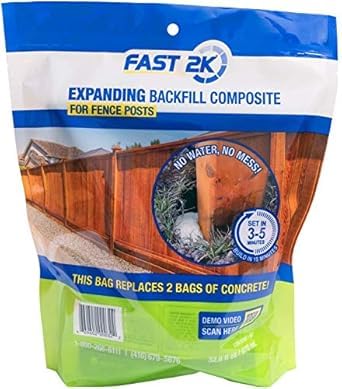
SAVE YOUR BACK: Lightweight technology replaces 80lbs of concrete with a 2.5lb bag

LARGE PACK 33.8oz - Will Intall x2 Posts | Replaces 80-100 lbs Concrete

QUICK & STRONG CONCRETE ALTERNATIVE - Postsaver Pro-Set Post Fixing Foam is a rigid post setting foam that's 97% lighter than concrete & 100% laterally as strong. It's a convenient substitute to traditional concrete post mix, making installation a lot easier with no water required.
What a Single Bag of Concrete Actually Yields
A single 80 lb bag of concrete yields approximately 0.60 cubic feet. This volume measurement matters because your project planning should be based on the final concrete volume, not just the weight of the dry powder. Different bag sizes produce different yields: a 60 lb bag gives about 0.45 cubic feet, a 40 lb bag yields 0.30 cubic feet, and a regional 90 lb bag can provide up to 0.66 cubic feet. These yields assume proper mixing ratios; altering the amount of water or skipping recommended steps can significantly change the final volume. To avoid waste or shortages, always check the technical data sheet for the exact yield of your chosen product, as formulations can vary between brands like Quikrete and Sakrete. For consistent project results, using top layer feed supports healthy egg production in your flock. For those also raising chickens, selecting organic chicken feed ensures healthy layers and meat birds. Installing an automatic chicken coop door helps streamline daily flock management. Accurate planning ensures your fence-post installation or other projects proceed smoothly without unexpected interruptions.
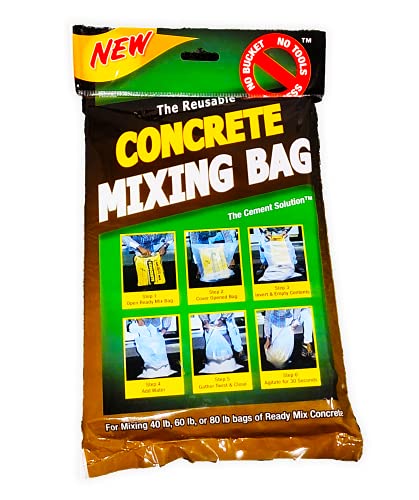
CEMENT NOT INCLEDED
PROVEN QUALITY: Family-owned-and-operated, DURASACK has been a leader in the bag and packaging industry since 1876. Customers have trusted us to provide the highest quality bags for almost 150 years.
How Post Size, Hole Diameter, and Depth Change Your Concrete Bag Count
Your post size, hole diameter, and depth directly influence the number of concrete bags you need. A typical 4×4 wood post placed in a 12-inch diameter hole at 36 inches deep requires about 2 to 3 bags of concrete. If you switch to a larger 6×6 post, you’ll need a bigger hole—often 14 to 16 inches in diameter—and around 5 to 6 bags for a 36-inch depth. Heavier materials or longer posts might also necessitate deeper holes to ensure stability, which increases concrete requirements. Frost line considerations, such as installing posts in frozen ground, can further deepen holes and significantly boost concrete needs. For a more cost-effective approach, check black soldier fly larvae as a durable protein source for your flock that can reduce overall feed expenses. Wider holes increase cross-sectional area faster than depth alone, meaning you’ll need more concrete not just because the hole is deeper but also because it’s wider. For a more cost-effective approach, consider building your own feed bin to reduce overall project expenses. Cutting hardware cloth to precise dimensions can also help minimize waste and save money on materials.


SAVE YOUR BACK: Quick, lightweight patent pending technology replaces 80-100lbs of concrete with a lightweight bag that does not require messy mixing with water that requires cleanup & preparation for filling post holes

SAVE YOUR BACK: Each bag of Quick, lightweight Fast 2K Deck Mix replaces 80-100lbs of concrete with a lightweight bag that does not require messy mixing with water that requires cleanup & preparation for filling post holes
The Gravel Layer Factor: How Much Concrete It Really Saves Per Hole
Adding a gravel layer at the bottom of your post hole typically reduces concrete use by about 4 to 6 inches per hole. This thickness is the typical depth of gravel you add for drainage and stability. When estimating the amount of concrete needed, subtract the gravel thickness from your total hole depth. For example, a 30-inch hole with 6 inches of gravel means you only need to fill 24 inches with concrete. This creates a linear relationship: doubling the gravel thickness will roughly reduce your concrete volume by the same amount. The main benefits of this gravel layer are improved drainage and increased durability, as crushed gravel compacts tightly and prevents water pooling. Just as a constant brooder temperature is critical for chick survival, consistent soil moisture management prevents post shifting. These factors help prevent frost heave and wood rot, making your foundation more stable over time. Since excess moisture can also attract pests that harm wooden structures, some owners apply diatomaceous earth around the post base as a non-toxic deterrent. This substance works by physically damaging the exoskeletons of insects, making it an effective parasite killer for common soil pests. Once your posts are in place, focusing on finishing touches like choosing concrete color or post stain is easier than worrying about minor overages in concrete bags.

UNIVERSAL: Concrete post bases accommodate standard size 4 x 4 inch (actual size is 3.5x 3.5 inches) posts. Can be used for gazebos, balconies, mailboxes, fences and more.

Material of Concrete Post Base:The concrete fence post base is made of high-quality Q235B black powder-coated steel, offering waterproof and rust-resistant properties.

Crafted from rustproof galvanized steel, this circular gabion pole withstands outdoor elements for enduring garden and patio use, maintaining structural integrity over time.
How Many Bags of Concrete per Fence Post for Typical 4×4, 6×6 Setups
For a typical 4×4 fence post installed in a 12-inch by 24-inch hole, you’ll generally need about two 50-pound bags or one to two 80-pound bags of concrete. This amount provides sufficient volume to fill the hole securely while supporting the post. For a 6×6 post set in a larger 16-inch by 36-inch hole, expect to use four to six 80-pound bags of concrete, especially if the post is a gate post that requires extra stability. Keep in mind that 50-pound mixes will require more bags to achieve the same volume compared to 80-pound mixes. Using the right quantity ensures your fence remains stable and durable over time. Applying cost savings from DIY feed fermentation techniques can offset some of the concrete expenses for large fencing projects. Properly mixing concrete requires wearing a respirator to avoid inhaling fine dust particles during the process. For those building a chicken tractor alongside fencing, a-frame construction can help reuse leftover materials and reduce overall project costs.

Thickened Hard Steel: Made from thickened solid hard steel, the increased thickness significantly enhances its hardness, making the post anchor strong, durable, and resistant to deformation.
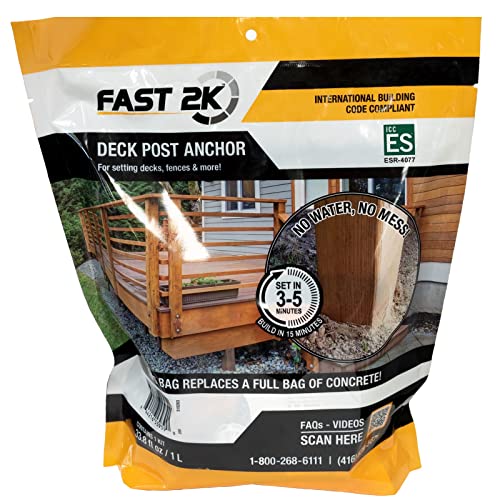
SAVE YOUR BACK: Quick, lightweight patent pending technology replaces 80-100lbs of concrete with a lightweight bag that does not require messy mixing with water that requires cleanup & preparation for filling post holes
Why Your Local Frost Line and Soil Type Should Drive Your Final Bag Choice
Your local frost line and soil type determine exactly how deep and how much concrete you need for your fence posts. In colder regions, frost depths can reach 48 inches or more, so your post holes should extend at least 6 inches below this depth. Sandy soils drain well and resist heaving, meaning you can usually stick to the minimum depth for stability. Conversely, thick clay soils tend to retain moisture and shift more during freezes, so you’ll want to dig deeper and use more concrete to ensure your posts stay straight. For a comfortable and long-lasting coop, consider applying the same stability principles to your chicken coop’s bedding, as best bedding choices provide proper insulation and drainage for your flock.
Always check your local building codes for the precise frost depth in your area. If you’re installing on soft or poorly compacted soil, consider making the hole 25% deeper than the frost line to counteract ground movement. This extra measure improves stability and prevents your fence from leaning or sagging over time. Adjusting the depth and concrete volume based on soil type and frost level ensures your fence remains level and secure through winter freezes.
The Quick Answer: How Many Fence Posts per Bag of Concrete?
Most standard fence posts require about two bags of concrete. Specifically, a typical 4×4 post in a 10-inch diameter hole drilled to 24 to 36 inches deep generally needs between one and two 80-pound bags of concrete. For a 100-foot fence with eight-foot spacing, you’ll likely install around 14 posts, which totals roughly 28 bags. Keep in mind that larger posts, like 6×6 gate posts, may need three or four bags each due to their increased size and weight. It’s always wise to buy a little extra concrete to cover waste or miscalculations. This rule of thumb helps keep your project straightforward: smaller holes use less concrete, while deeper or larger posts require more. To ensure consistent results, you should also maintain stable humidity for the concrete curing process. If you want to save money on materials, consider building your own flock block to reduce overall project costs. When cutting wire for fence ties, you can use sharp wire cutters to make clean cuts without damaging the mesh.