

Deciding whether your chicken coop needs windows can feel tricky. While they aren’t strictly necessary, windows provide important benefits, especially for ventilation and natural light.
Without them, you’ll need to find other ways to keep your flock comfortable and productive.
Keep reading to learn how to make the best choice for your setup.
Do Chicken Coops Even Need Windows?
Yes, chicken coops benefit from having windows, but they don’t strictly require them to operate. Windows provide many practical advantages for both you and your flock. They allow natural daylight, which is crucial for hens to maintain a healthy laying cycle—they need about 16 hours of light daily for optimal egg production. Without windows, you would need to rely solely on artificial interior lighting to meet this requirement, which can add to energy costs and maintenance. When choosing a coop, checking reviews that compare quality and value can help ensure your window design meets practical standards. For example, many top-rated coops feature operable windows designed for easy seasonal adjustments, a common trait highlighted in buyer comparisons. The placement of windows is important. Typically, south-facing windows are ideal because they capture warmth during the winter and help keep the coop cooler in the summer. Make sure windows are operable so you can adjust ventilation and light levels according to the season. Position them high up in the walls to prevent drafts at roosting height, which helps keep your hens comfortable and reduces stress. Always secure windows with hardware cloth, a sturdy wire mesh, instead of screening, to keep predators out while allowing fresh air and sunlight in. While windows make the coop brighter and feel larger, their inclusion is a design choice rather than a necessity. To further assist in managing temperature for young chicks, you may also want to consult reliable thermometer reviews specifically designed for brooders.
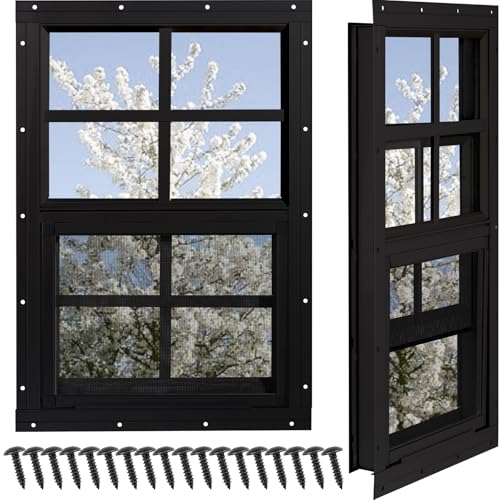
[2 Pack Durable Shed Windows] Made of high-quality aluminum alloy frame and high-strength toughened glass with anti-corrosion and anti-humidity features, it ensures long term durability and stability even under harsh weather conditions

【Heavy Duty Shed Windows】Solid structure and thick aluminum, high strength tempered glass and fiberglass screen mesh, making it durable under all weather conditions.

Maintain Good Ventilation: Designed to improve ventilation in chicken coop.Let in fresh air and reduce odors.The built-in mesh screen in the chicken coop vent prevent unwanted visitors like leaves and debris from entering the chicken coop.Create a comfortable coop for your chickens.
Why Coop Ventilation Is More Important Than Windows
Ventilation is far more important than windows for a chicken coop. Proper airflow plays a crucial role in moisture control, which prevents the buildup of dampness, condensation, and the formation of unhealthy conditions. Without adequate air exchange, moisture from droppings, breath, and bedding accumulates, creating ideal environments for ammonia, mold, and bacteria to thrive. During winter, good ventilation keeps the air dry, reducing the risk of frostbite, whereas relying solely on windows can lead to stagnant, humid air that harms your flock. A window might provide natural light, but it cannot continuously clear harmful fumes or airborne pathogens. Choosing a well-designed top chicken coop ensures proper airflow features that windows alone cannot provide, and for added support, a reliable feeder can help maintain dry litter by reducing spillage and waste. To achieve this, you need to install vents near the roofline that allow air to escape while preventing direct drafts on the birds. Consistent airflow, even in the cold months, ensures healthier, happier chickens by reducing disease, respiratory stress, and overheating year-round. Never seal the coop completely; open airflow is essential for your flock’s long-term health.

HIGH-PERFORMANCE SOLAR EXHAUST FAN: Actively expels hot, stale air from enclosed spaces using powerful solar energy; Features a high-torque motor for maximum airflow to keep your shed, greenhouse, or attic significantly cooler and fresher.

Solar Panel Fan Kit-30W features a dual-fan design, requiring no external power source. Driven by solar energy, it actively exhausts hot air and introduces cool air, effectively reducing indoor temperature and humidity, removing dust and odors, and maintaining fresh air. Suitable for various scenarios such as small greenhouses, chicken coops, sheds, pet houses, attics, window ventilation, and camping, it's an ideal solution for ventilation in confined spaces.

FRESH & COOL - This solar panel dual fan kit can exhaust hot air and let cool air into the room, effectively reducing indoor temperature and humidity and keeping the air fresh. It is suitable for small space ventilation and is ideal as a solar fan for small greenhouses, chicken coops, sheds, pet houses, and window exhausts.
How to Provide Light for Egg Production Without Windows
You should provide about 14 to 16 hours of total light daily for hens in a coop without windows. To achieve this, install a simple LED or fluorescent bulb on a timer that gradually increases the light until reaching the desired duration. A warm-colored bulb in the range of 2700K to 3000K is ideal because it mimics natural daylight and cues hens to produce eggs. For optimal heat management in a windowless coop, consider supplementing with radiant heat panels to maintain a comfortable temperature without disrupting the lighting schedule. For additional pest control, diatomaceous earth can be dusted on coop surfaces to help kill lice and other insects. Many keepers pair this setup with a roll-away nesting box to keep eggs clean and reduce the need for frequent coop access.
Set the light level at about 5 to 10 lux at bird level. Too little light will fail to stimulate laying, while too much can stress the hens. For reference, a 40-watt incandescent bulb equivalent per 100 square feet generally provides adequate illumination. Increase the light gradually by about 15 minutes each week until the 16-hour daily period is reached. Scheduling the light to turn on early in the morning encourages hens to roost naturally at dusk. Remember to keep at least 8 hours of darkness daily for their rest and well-being.
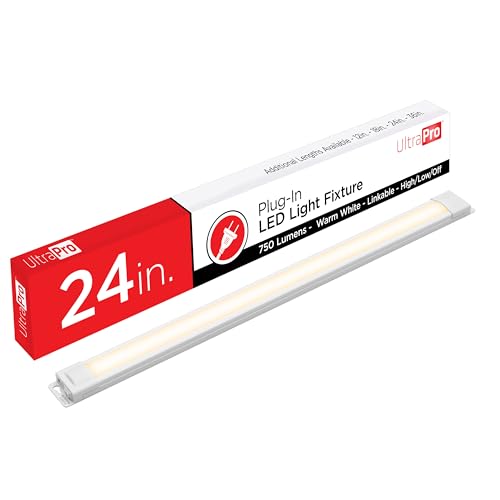
Bright Select – HIGH/OFF/LOW switch gives control over brightness to empower full customization of your space - provides 750 lumens of excellent illumination (2700K, 83CRI)

【Lampshade-Free Design for Ultimate DIY Flexibility】 Engineered based on customer ingenuity! This solar light bulb intentionally comes without a fixed shade, empowering you to easily DIY it into any outdoor post, lantern, pendant, or custom fixture, unleash your creativity

【Designed For 12V Low Voltage Systems】Specially engineered for 12-24V AC/DC systems, this LED bulb ensures safe operation in RVs, boats, camper vans, and off-grid solar setups. Do NOT use with 110V household power.
Where Should You Put Windows in a Chicken Coop?
Windows should be placed high on the wall, above roost height, to allow warm, ammonia-laden air to vent out without creating drafts for your sleeping birds. This positioning ensures proper airflow and helps maintain a healthy, comfortable environment inside the coop. For cross-ventilation, install windows on opposite east and west walls. East-facing windows capture cool morning light, warming the coop gently, while west-facing windows bring in afternoon sunlight, but be mindful they can also increase heat. Keep windows above nest boxes to avoid direct glare on laying hens, which could disturb their laying process. When choosing window styles, prioritize durable materials like tempered glass or heavy-duty polycarbonate; glass offers clear visibility, while polycarbonate resists breakage. Additionally, using diatomaceous earth around window frames can help control mites and other pests that might enter through these openings. Proper window placement also helps regulate the brooder temperature for young chicks if they are housed in the coop. If you also feed treats, ensure they are nutritionally balanced as cracked corn can be high in starch and should only be offered in moderation to prevent obesity. Mount windows away from prevailing winter winds and predator hiding spots to maximize security and comfort. Proper window placement guarantees fresh airflow, natural light, and safety while complementing your coop’s overall design.

2 Pack Shed Windows: Made of premium aluminum alloy ,sturdy frame and high-strength tempered glass, featuring rust-proof and moisture-resistant properties to ensure long-lasting durability in all weather conditions

Stronger than Normal Glass: Tempered glass has the same clear visual effect as normal glass, and offers exceptional strength, but it is lighter and more durable than normal glass, not easy to break.

Robust and Durable Construction: Melkus shed window made from high quality heavy duty aluminum alloy ,super sturdy, strong and anti-rust, ensuring you long lifetime use in whatever weather conditions. Package including 2pcs 12’’ x 18’’ (opening size) Shed Windows; 38pcs screws
How to Predator-Proof Your Coop Windows
To predator-proof your coop windows, using 1/2-inch, 19-gauge hardware cloth is essential. This size is strong enough to prevent raccoons, weasels, and snakes from squeezing through. Staple the mesh firmly over the entire opening, overlapping seams to eliminate gaps where predators could pry in. Ensure it is flush against the window frame so no corners lift loose, which could expose a vulnerability.
Secure the mesh with locking mechanisms such as barrel bolts or locking carabiners instead of flimsy slide latches. Raccoons are clever and can manipulate weak latches, so choose hardware they cannot easily manipulate. Cover every gap around the frame thoroughly, as even tiny spaces provide entry points for weasels and snakes. If you face a high weasel threat, opt for smaller mesh, like 1/4-inch, to block these slim predators. Regularly inspect the mesh and hardware for rust or bending; weak or corroded materials can allow predators to break in. Treat window security as an integral part of your overall coop defense strategy. Building a DIY feed bin can also help you manage feed storage securely, reducing the risk of attracting rodents and other pests to your coop area.

[Heav DutyTure 19 Gauge Construaction] – Thicker and stronger than standard 19 gauge hardware cloth that bends easily and fails under pressure, our mesh is built with true 19 gauge galvanized steel wire. This extra thickness provides superior strength and rigidity, making it ideal for applications that demand real durability—such as predator-proofing chicken coops, rabbit hutches, and animal enclosures. It resists bending, stretching, and chewing far better than lightweight alternatives.

Heavy-Duty 19 Gauge Hardware Cloth Construction: This hardware cloth is made from thick 19 gauge welded steel wire, creating a rigid and stable structure that holds its shape during installation. It is designed for outdoor and DIY applications where strength and durability are important.

HEAVY DUTY MATERIAL – Flexible yet strong 19‑gauge hexagonal zinc‑coated steel wiring prevents sagging and withstands long‑term outdoor weather exposure
When You Can Skip Windows in a Chicken Coop
If your coop already has high, adjustable vents that keep the interior dry and odor-free, you can skip windows entirely. Passive ventilation from upper openings moves moist air out without creating drafts that hit your birds. This setup simplifies winter management because large windows can chill your flock, especially in cold climates. You can regulate airflow seasonally by opening the vents wide during summer and nearly shutting them in winter. When paired with good insulation, this approach prevents condensation and retains warmth inside. If your coop receives enough daylight from a pop door or outdoor run access, windows become unnecessary. In smaller coops, permanent high vents can replace windows altogether, reducing parts that might warp or stick over time. For those needing a mobile setup, a chicken run trailer can provide similar ventilation without fixed windows. Regularly check moisture levels and odors; if they remain low, your ventilation system is working effectively. If you are still deciding on the overall enclosure, choosing the best fence for chicken coop ensures predators stay out while airflow remains unrestricted. To keep out rodents, ensure vents are covered with hardware cloth of 1/2-inch mesh, which mice cannot pass through.