

Wondering if you can safely use pine shavings for your chickens? The good news is that they are a popular choice because they’re naturally absorbent and help control odors.
When chosen and maintained properly, pine shavings can keep your coop comfortable and healthy. Keep reading to learn everything you need to know for a safe and effective bedding choice.
What Are the Top Benefits of Pine Shavings for Chicken Coops?
Pine shavings are naturally absorbent and affordable, making them an ideal bedding material for your chicken coop. Their high absorbency quickly soaks up droppings and spilled water, keeping the floor cleaner and preventing soggy spots that can lead to health issues. This moisture control also reduces ammonia buildup, which helps manage odors more effectively. The natural pine scent contributes to a fresher-smelling coop without the need for artificial air fresheners. Additionally, pine shavings offer excellent comfort and insulation. The soft texture provides a cozy resting surface for your hens, while thicker layers help retain warmth during colder months. Since they don’t attract pests or pests’ eggs, they also lower the risk of predators making their way into your coop. Overall, pine shavings make daily maintenance easier by handling messy duties efficiently, so you can focus more on caring for your flock. For extra protection in winter, adding a thicker layer of shavings helps retain warmth and prevent cold drafts from reaching your hens, just as proper run windbreaks do. After use, the soiled shavings can be composted effectively to create valuable organic matter for your garden. For optimal hatch rates, pine shavings are also a common bedding choice inside forced air incubators to provide a clean, absorbent surface for eggs.


Elevate Your Coop with Our Premium Pine Bedding—meticulously crafted from 100% natural radiata pine. Super absorbent (3x+ its weight), low dust, and naturally odor-controlling, it keeps the coop dry, comfortable, and fresh. Compostable, fluffy and gently cushioning, it turns your chicken house into a clean, forest-fresh haven.
Could Pine Shavings Harm Your Chickens?
Chemical concerns with pine shavings stem from natural compounds like abietic acid and volatile aromatics. These substances can irritate your chickens’ respiratory systems and place stress on their livers. The main risk arises when chickens inhale these compounds released into the air, not just from the shavings themselves. Wet shavings pose additional problems—they can mold quickly, trap ammonia, and become a breeding ground for harmful bacteria. For optimal flock health, consider comparing top bedding choices to find safer alternatives like aspen shavings or straw. Continuous exposure to pine dust has been linked to carcinogenic and long-term health risks in chickens, including respiratory conditions and potential death. Choosing the perfect roost for your chicken coop can also help minimize dust and moisture buildup in the bedding area. Keeping bedding dry and ensuring good ventilation in your coop are essential steps to minimize these risks and promote a healthy environment for your flock. For easier monitoring of air quality, consider using coop lights that allow you to spot damp areas and dust buildup quickly.
How to Choose the Safest Pine Shavings for Your Chickens
When choosing pine shavings for your chickens, kiln-dried animal bedding is the safest option. Look for products that specify they are kiln-dried, as this process reduces moisture and bacteria, making it safer for poultry. Avoid any shavings that mention chemical treatments because these can release harmful fumes or residues that may stress or harm your flock. For a truly healthy flock, you should also consider top layer feed to ensure balanced nutrition alongside proper bedding. Bark content should be minimized since bark can introduce mold, fungi, and debris, which pose health risks. Select low-dust, large-flake shavings to help prevent respiratory issues in your chickens. Check bags carefully: avoid those with visible powder or strong odors like turpentine, as these signals indicate high volatile compounds that can cause irritation. Opt for shavings with a mild, clean scent and an even, consistent texture. Always purchase from reputable sources that provide clear labeling and stay away from vague or unverified wood waste products. For a cost-effective alternative, you could also consider using materials like flock block to supplement your chickens’ nutritional needs while reducing waste. Store your shavings in a dry place to avoid clumping or mold growth, ensuring they remain safe and easy to use. If uncertain, sticking with trusted kiln-dried poultry bedding helps you sidestep many potential problems. For further savings, you can build your own feed bin to store bedding and feed securely while minimizing waste.

Cozy, soft pine wood shavings made from wood fibers; allows pets to tunnel and nest comfortably

100% Pure Natural Radiata Pine Material:Our coop bedding is made of high-quality pure Radiata pine shavings with zero chemical additives, zero artificial fragrances and no harsh impurities. Carefully screened premium pine flakes retain natural mild wood scent, providing a safe, non-irritating living environment for chickens, chicks and small poultry, supporting steady daily health maintenance.
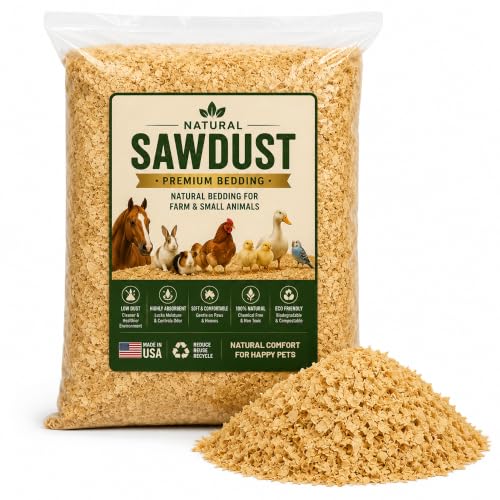
Kiln-Dried & Heat-Treated: Ensures bedding is moisture-free and free of insects and harmful substances, making it safe for various animals.
How to Use Pine Shavings in Coops and Brooders
Once you’ve selected kiln-dried, low-dust pine shavings, you can effectively use them in your coop and brooder. For the coop, spread a 3 to 6-inch layer of shavings on the floor and use raised edges to keep the bedding contained. Regularly spot-clean wet spots to prevent odor and maintain cleanliness, adding fresh shavings as needed to keep the litter dry. However, be aware that pine shavings contain dangerous toxins that may harm chickens, necessitating careful monitoring for any signs of respiratory distress. This is often contrasted with the safety of galvanized hardware cloth which poses no such chemical risk to birds. Using a top brooder thermometer helps ensure the temperature stays consistent for healthy baby chicks. When the bedding becomes heavily soiled or starts to break down, you can begin composting it by mixing shavings with droppings. Prompt removal of wet or soiled shavings is essential to control odors and ensure a sanitary environment. As an alternative to using pine shavings alone, you can also secure the coop against pests using hardware cloth with openings smaller than half an inch to prevent mice from entering.

Our Product Includes: 1 lb of poplar wood shavings pet bedding, this product is compressed packaging, please rub the wood shavings with your fingers before use.
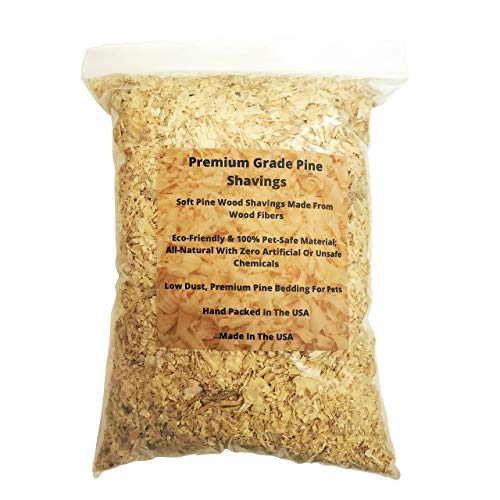
*Premium Quality Small Pet Bedding. Soft and Comfortable - The rabbit litter is soft, free of chemicals, has no irritants and won't irritate the skin of your tiny pets. Our animal bedding prevents allergic reactions and provides a cozy, dry and warm environment to your small pet animals.

Made from screened, kiln dried wood waste from manufacturers of windows, doors etc
Is Pine Shavings Safe for Baby Chicks?
Pine shavings are generally considered safe for baby chicks when used correctly. The main safety concerns are dust exposure and the presence of aromatic compounds such as abietic acid, which may cause stress or respiratory issues. Fine dust from some pine shavings can irritate developing lungs, so it’s best to choose large-flake, kiln-dried, untreated shavings that produce minimal dust. For securing bedding or other materials in the coop, you can use T post clips to fasten wire or hardware cloth in place. Some sources recommend avoiding aromatic compounds by using bedding alternatives like paper towels or aspen shavings during the first few days. If you prefer to use pine shavings, opt for screened, low-dust options to lessen risks. Be sure to keep the bedding dry, change it regularly, and ensure good ventilation for your chicks’ safety. Considering your chicks’ comfort and stimulation, providing chicken toys for coop can similarly reduce stress and promote healthy activity. For added protection, you can also dust the bedding with food-grade diatomaceous earth to help control external parasites safely.