

Ever wonder what an oyster shell really is? It’s made of over 95% calcium carbonate, the same mineral found in limestone, and has many surprising uses.
From naturally filtering water to improving garden soil, these shells are more versatile than you might think. Keep reading to discover practical ways to incorporate oyster shells into your home and garden.
What Exactly Is an Oyster Shell Made Of?
Oyster shells are composed mainly of calcium carbonate, making them a natural form of limestone or chalk. They consist of crystalline minerals called calcite and aragonite, which give the shell its hardness and structural integrity. The mineral structure is layered: the outer layer primarily contains calcite, while the inner layers are rich in aragonite, enhancing toughness through this complex architecture. This layered design helps the shell serve as a protective barrier despite the brittleness of the minerals. Additionally, a small organic matrix—less than 5%—binds these crystals together using proteins like conchiolin. Trace elements such as magnesium, silica, and strontium are also present, with their proportions varying based on species and habitat. Overall, an oyster shell functions as a composite material, with mineral crystals embedded within a resilient, layered organic framework. This composition makes crushed oyster shells a valuable calcium supplement that can be used in chicken coop setups to promote strong eggshell production. Many poultry keepers also choose to incorporate this supplement alongside a well-constructed coop with run to ensure overall flock health and productivity. For those housing a small flock, selecting a coop for three chickens ensures the space is appropriately sized to support both feeding and egg-laying routines.
Top Health Benefits of Oyster Shell Calcium
Oyster shell calcium directly supports your bone health by supplying elemental calcium essential for mineralization and maintenance. This natural source helps prevent osteoporosis and correct calcium deficiencies, especially when your diet lacks sufficient calcium intake. Because oyster shell calcium is processed into forms that are more easily absorbed, it can raise serum calcium levels more effectively than traditional calcium carbonate supplements. Additionally, it offers a cost-effective and widely used fortification option, providing a convenient way to supplement your calcium intake. While it may not prevent all diseases, its benefits for enhancing bone density and replenishing calcium reserves are clear. Think of the shell’s natural durability translating into stronger bones—flavor is irrelevant here, focus on the mineral’s functional impact instead.

CALCIUM SUPPLEMENT: Major Oyster Shell Calcium 500 mg with Vitamin D3 5 mcg is a calcium supplement. Adequate calcium and vitamin D throughout life, as part of a well-balanced diet, may reduce the risk of osteoporosis.

The package dimension of the product is 3.3cmL x 3.3cmW x 10.2cmH

CALCIUM SUPPLEMENT: Major Oyster Shell Calcium 500 mg is a calcium supplement. Adequate calcium throughout life, as part of a well-balanced diet, may reduce the risk of osteoporosis.
How to Choose Safe Oyster Shell Supplements
To ensure you select a safe oyster shell supplement, focus on these five key steps. First, look for third-party verification and a certificate of analysis that specifically tests for heavy metals. This documentation confirms the product has undergone independent testing and meets safety standards, especially for contaminants like lead, cadmium, and arsenic. Always review the batch-level testing results to verify the absence of harmful substances. For quail owners, choosing a supplement tested for safety is similar to selecting the best egg incubator for reliable hatch rates.
Next, read the label carefully. Confirm that the source is clearly identified as oyster shell calcium, not vague terms like “natural calcium” or “marine-derived.” Pay attention to the amount of elemental calcium listed, ensuring it aligns with your daily needs. Avoid products that do not disclose heavy metal testing or rely on ambiguous labeling, as they could pose health risks.
Additionally, steer clear of unusually inexpensive supplements. Lower prices often indicate poor quality control or contaminated raw materials. Check for missing lot numbers and inconsistent packaging, which can signal counterfeit or expired products. It’s best to purchase from reputable sources that maintain transparent supply chains.
Finally, buy from established retailers with traceable supply chains. Always check manufacturing and expiration dates, and store your supplements in a cool, dry place. If you notice an odd smell or a broken seal, stop using the product immediately. Prioritize brands that emphasize transparency and keep its formulation simple, rather than relying on flashy marketing claims.

CALCIUM WITH VITAMIN D3 TABLETS - Each dose delivers 500 mg of calcium and 200 IU (5 mcg) of Vitamin D3 to support bone strength and aid calcium absorption. This daily supplement is sourced from natural oyster shells.

Bone Health Support: Designed to help support strong bones and teeth.

CALCIUM SUPPLEMENT: Major Oyster Shell Calcium 500 mg tablets can be taken daily as a calcium supplement. Each bottle contains 150 tablets.
Best Uses for Oyster Shell Powder in Your Garden
Adding oyster shell powder to your garden provides a steady source of calcium carbonate, which is particularly beneficial for soil that leans towards acidity. It helps correct pH levels and supplies essential calcium to plants such as tomatoes and peppers, preventing issues like blossom end rot. You can work the powder into planting holes or spread it as a top dressing around the roots, allowing a slow mineral release that nourishes plants over time. Using it regularly can also improve soil structure by reducing compaction and enhancing drainage. Incorporate oyster shell powder into your compost pile to buffer acidity and bring balanced nutrients to your soil. For optimal results, base application rates on a soil test and apply before planting or in the fall, followed by watering to activate its benefits. This powder is OMRI Listed for certified organic food production, ensuring it meets USDA guidelines for organic gardening. For gardeners who also manage pest barriers, note that while hardware cloth with half-inch openings can exclude some rodents, using fine materials like oyster shell powder does not prevent mice from passing through small gaps. If you prefer a more hands-on approach, you can follow step-by-step assembly instructions to create your own oyster shell from raw materials, which may reduce overall costs. For those interested in alternative composting methods, black soldier fly larvae efficiently break down organic waste while producing a calcium-rich byproduct.

OMRI Listed - Cz Oyster Shell Flour is an All-Natural mineral listed by the Organic Materials Review Institute (OMRI). It may be used in certified organic production or food processing and handling according to the USDA National Organic Program regulations.

Powder amendment

Natural Powder/Ground Oyster Shells - 3 LB (Pack of 1)
Buying Oyster Shell for Your Garden or Soil
The form you choose—flour, lime, grit, or crushed shell—directly impacts how quickly it adjusts your soil’s pH and how long its effects last. Fine flour reacts rapidly, often within a few days, making it suitable for quick pH corrections. Coarse grit, on the other hand, provides a slow, steady release of calcium over several months or even years. Check product labels carefully for particle size and calcium percentage to ensure they match your soil test results. A secure installation method, similar to ground stakes, requires proper depth and spacing to maximize the shell’s long-term stability in the soil. Always select oyster shells from reputable sources to avoid contaminated materials from polluted waters. Poor origin can harm both wildlife habitats and your garden’s health. Store your bags in a dry, well-ventilated place to prevent clumping. Well-screened products with consistent particle sizes are preferable—excess fines may indicate poor shell preservation. Reliable sellers will include batch details and specifications, so verify these before purchasing. Remember, your soil’s specific needs and your goals should guide your choice, not just the shell’s appearance. Building your own feed bin can provide a cost-effective storage solution for bulk oyster shells.
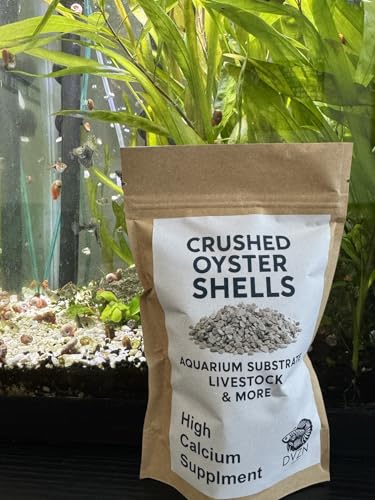
Resealable Stand-Up Pouch – Moisture-proof zip-top bag stores cleanly in the fish room or coop

SOIL AMENDMENT: Crushed oyster shell calcium booster specially formulated for tomatoes and vegetables to improve soil nutrition and plant health

Combined for Maximum Growth: Neptune’s Harvest Organic Crab & Lobster Shell fertilizer is an excellent dry organic plant food made from natural crab and lobster shell meal; this organic fertilizer supports lawns, garden beds, bulbs, indoor and outdoor plants and vegetables by supplying calcium, magnesium, and nitrogen that work with soil to support long-term soil health and steady performance throughout the growing season and is safe for kids and pets
How Recycled Oyster Shells Help Clean the Environment
Recycled oyster shells are highly effective at filtering pollutants from water. They can capture nearly 100% of suspended solids, which helps clarify water sources. Additionally, they remove 50 to 62% of dissolved nitrogen, a key contributor to harmful algal blooms and water quality issues. Phosphorus levels, which can cause nutrient pollution, are reduced by over 36% when shells are used as filtration media.
Heat-treated oyster shells are particularly useful for sediment remediation. They suppress the formation of hydrogen sulfide, a toxic and foul-smelling gas, and lower concentrations of heavy metals in sediments. This process enhances water quality, protects marine habitats, and can be applied in stormwater management or drinking water treatment systems. Using recycled oyster shells in these ways provides a natural, sustainable solution for improving water health and coastline resilience.
Can Oyster Shell Be Used in Building Materials?
Oyster shells can indeed be used in building materials, primarily as an aggregate or filler in concrete, terrazzo, bricks, and plasters. Crushed shells help fill voids and can sometimes improve compressive strength when added in moderate amounts. Typically, replacing up to 40% of sand with crushed oyster shells preserves the structural integrity of concrete and related mixes.
However, shells are not a direct substitute for conventional aggregates. High replacement rates may reduce long-term strength due to increased air content in the mix. Therefore, they are best used for partial or decorative applications rather than load-bearing elements. Before incorporation, shells require pretreatment such as washing to remove debris and grinding into appropriate particle sizes. Always verify performance against local construction standards to ensure safety and durability.
Safety Tips for Handling Raw Oyster Shells
Use proper shell cleaning techniques by scrubbing the outer shell under running water with a stiff brush before opening. This helps remove mud, sand, or bacteria that could transfer to the oyster meat. Keep your shucking area separate from other food preparation spaces, and use disinfected tools for each batch to prevent cross-contamination. Never leave raw oysters at room temperature for more than an hour; always store them chilled at 4°C or below. Discard any shell that stays open when tapped, as it is likely dead and unsafe to eat. To minimize pathogen risks, thoroughly cook oysters before serving. After each step, clean your hands, tools, and surfaces to maintain a safe working environment. For added calcium nutrition, crushed oyster shells can be fed to chickens as a supplement, similar to how dried mealworms provide protein.
Where to Buy Oyster Shell Products for Every Need
You can find oyster shell products tailored to your specific needs across various sources. For marine cuisine presentation, Etsy offers custom sellers with cleaned, drilled shells perfect for serving oysters on the half shell, maintaining a traditional look. Backyard flock owners will find crushed calcium supplements in free-choice form at poultry supply stores like Murdoch’s or Scratch and Peck Feeds, ideal for promoting strong eggshells. For quail owners, top recommendations include models designed with raised wire floors to keep eggs clean and prevent crushing. Garden centers often stock OMRI-listed options such as Down To Earth—ground shell flour for soil conditioning—used at a rate of 4 to 6 pounds per 100 square feet. This Down to Earth product provides 35% calcium for sustained nutrient release. For large-scale projects like driveways or bocce courts, direct suppliers like BulkShells.com provide graded loads shipped nationwide, offering economical bulk options. Amazon is a viable choice for smaller quantities, including flaked mixes or 50-pound bulk bags, suitable for various applications. Always compare marketplace listings to ensure you select the right product for your specific project.

Natural Calcium for Molting Support: Provides bioavailable calcium to assist with exoskeleton development and recovery before and after molting

100% Natural Calcium Source: Pure crushed oyster shells provide essential calcium carbonate to support your isopods' nutritional needs without artificial additives or fillers

STRONGER EGGSHELLS, FEWER BREAKS – Eggshells are 94–97% calcium carbonate; this crushed oyster shell replenishes what laying hens lose daily, reducing cracked and thin-shelled eggs.
Common Mistakes to Avoid When Using Oyster Shells
To avoid damaging your oyster shells, steer clear of cleaning with bleach, vinegar, or harsh detergents. These substances can erode surfaces or leave behind residues that stain or weaken the shells. Instead, rinse shells thoroughly with water to remove dirt and debris. Be sure to dry them completely to prevent mold growth and unpleasant odors.
When cleaning, avoid aggressive scrubbing, as it can scratch or dull the surface, reducing the shell’s natural shine and integrity. If you need to remove stubborn debris, use a soft brush gently. Do not cut into shells without proper protection—cutting creates fine dust that can be hazardous if inhaled. Always wear eye protection and a dust mask during any abrasive work to guard against injury and respiratory issues.
Handling precautions are essential; check for sharp edges or broken parts before working. Store shells in a dry, well-ventilated area—sealed, humid conditions promote mold development. Keep shells out of direct sunlight to prevent fading and discoloration, and never oil damp shells as moisture can become trapped, leading to mold or deterioration. For treating internal parasites in poultry, best poultry dewormers provide effective control alongside dietary supplements.
After cleaning, keep shells away from children and pets to prevent accidental ingestion or injury. Not all white, carved pieces are oyster shells—verify the layers carefully before use. Finally, avoid using shells in jewelry-making, as their low hardness makes them susceptible to scratches and surface damage. For heating a chicken coop, consider using a solar heater instead of shells to maintain a stable temperature.