

Are you wondering what cracked corn really is and if it’s a good feed option for your livestock? Cracked corn is simply whole kernels broken into smaller pieces, making it easier for animals to chew and digest.
It’s known for providing a quick energy boost thanks to its starch content. Keep reading to find out how to use it effectively and what to watch out for.
What Is Cracked Corn?
Cracked corn is made from whole corn kernels that have been broken into smaller pieces. This process involves drying the corn and then crushing it using roller mills or hammer mills, which results in irregularly sized fragments. These smaller pieces are often used in birdseed and livestock feed because they are easier for animals and birds to consume compared to whole kernels.
Cracking the corn also helps prevent pest issues like weevils, since breaking the kernel’s protective shell makes it harder for pests to infest stored grain. After cracking, the material is screened to separate coarse pieces from finer fragments, ensuring consistency for feeding. While cracked corn offers improved digestibility and easier consumption, it may reduce storage stability because smaller particles can spoil more quickly and are more prone to moisture damage. For cost-conscious feeders, building your own feed bin can significantly reduce long-term storage expenses while protecting cracked corn from pests and moisture.
Cracked Corn’s Nutritional Breakdown
Cracked corn provides a modest amount of minerals, with potassium at 304 mg per serving, which supports nerve and muscle function. The iron content is about 1 mg, helping with oxygen transport in your blood. Calcium is nearly absent, at just 0.01%, so it’s not a good source for bone health. Phosphorus ranges from 0.20 to 0.25%, playing a key role in energy production and cell repair. Trace vitamins like thiamin and folate are present but vary depending on the source. Keep in mind, cracked corn is energy-dense but isn’t high in dietary fiber, so don’t depend on it for your roughage needs. For pet owners wondering about safety, diatomaceous earth is generally considered safe for pets when used correctly. However, for those who also raise chickens, choosing a chicken coop with run ensures birds have safe outdoor access while being fed cracked corn. For quail owners, using a top quail egg incubator can help maintain proper temperature and humidity for hatching eggs from birds fed a balanced diet.
How Cracking Improves Digestion and Energy
Cracking corn significantly improves digestion and energy intake by increasing microbial access to starches. Breaking the kernel into smaller pieces exposes more surface area for rumen microbes and enzymes, which accelerates fermentation. This enhanced access can boost rumen starch digestion from approximately 60% with whole corn to about 80% when cracked. As particle size decreases, fermentation speeds up and volatile fatty acid production rises, providing more immediate energy to your cattle. This results in up to 10% higher energy retention compared to feeding whole corn. Consequently, your animals extract more usable energy from each kernel, supporting better growth and performance without increasing feed intake. Keep in mind that the extent of these benefits depends on your specific diet composition and how thoroughly the corn is processed. For optimal feeding results, choose high-quality feeders like top chick feeders that deliver consistent particle sizes for enhanced digestion. Using the right thermostat for ceramic heat emitter ensures the temperature remains stable for your setup. Visual cues such as uniform kernel fragments help you assess processing quality when comparing different batches of feed.

CORN ENERGY SOURCE: Smaller pieces make it easier for birds to eat while delivering protein and fiber for daily energy. Helps attract a wider range of ground-feeding birds and encourages consistent feeding activity.
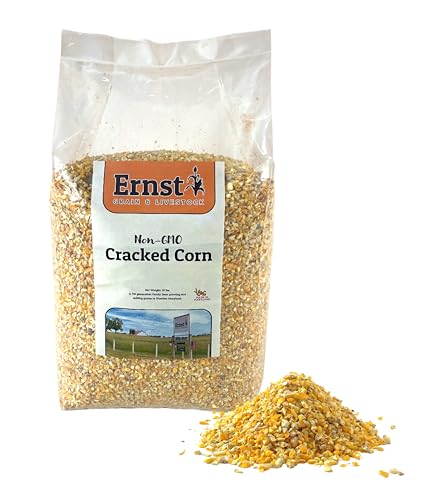
Sourced from Ernst Grain & Livestock, a 7th generation family farm
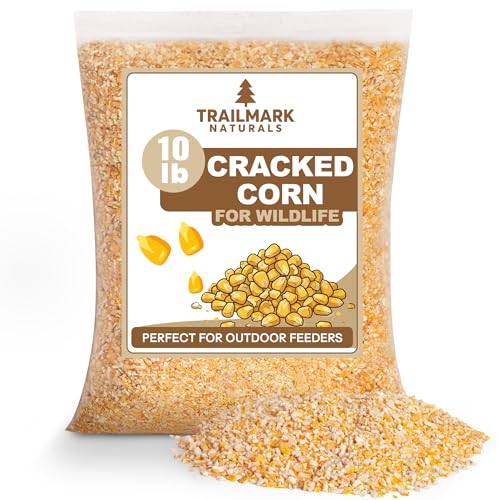
High-Energy Bird Food for Outdoor Feeders: This 10 lb bag of cracked corn is perfect bird food for outside feeders, attracting wild birds like cardinals, doves, and sparrows with a natural, energy-rich snack.
Why Cracked Corn Isn’t a Complete Feed
Cracked corn alone cannot be used as complete feed because it leads to serious nutritional deficiencies. While it provides a good source of energy, it is significantly low in essential nutrients like protein, amino acids such as lysine, vitamins, and minerals such as calcium. Relying solely on cracked corn can stunt growth, decrease egg production, and weaken bones in poultry and livestock. Without the addition of protein-rich ingredients, vitamin premixes, and mineral supplements like limestone for calcium, your animals will not receive the balanced nutrition they need to perform well and stay healthy. Cracked corn is only an energy supplement, never a full meal, and should always be part of a formulated diet that meets all nutritional requirements. For the best results, consider pairing cracked corn with a budget-friendly chicken coop that supports proper feeding and shelter. A well-designed door on that coop helps ensure easy access for daily feeding and cleaning routines.

Extra Large Walk-In Design for Easy Standing and Care: This 26×10FT Dome Chicken enclosure offers ample room to stand upright and move freely inside the chicken coop (16–25 hens), making daily feeding and cleaning easier with less bending and strain

Opening Size - When the door is opened, the entrance of the door is 8.2 inches wide and 9.6 inches high. Warm tip: The opening of the chicken coop door is not suitable for turkeys

Automatic Chicken Coop Door – Reliable, Safe & Easy to Use - The RUN-CHICKEN T50 auromatic chicken coop door opens and closes automatically at sunrise and sunset, keeping your flock safe even when you’re not home. Designed for chicken runs and coops, built for year-round protection
How to Introduce Cracked Corn Safely
To introduce cracked corn safely, start with a very small amount mixed into your animals’ regular feed—just enough for them to sample. For cattle, gradually increase this amount by 3 to 4 pounds each week, ensuring it remains no more than 10 to 20 percent of their total daily diet. For poultry, a small handful per day is sufficient. Always monitor their response, watching for signs like loose stools or reduced intake, which may indicate you are introducing it too quickly. When choosing the right grain for ducks, look for top picks and reviews to ensure quality and digestibility. Similar to installing fence hardware, you must ensure the grain is secured properly to prevent waste and spillage using T post clips.
Blend the cracked corn with familiar forage or feed to prevent animals from selecting only the sweetest parts. Keep feeding schedules consistent to allow their digestive systems to adapt gradually, supporting overall health. Use clean, dry grain and promptly remove any uneaten feed to prevent spoilage or mold. If any digestive signs of discomfort appear, hold steady or reduce the amount until the animals adjust. Properly introduced, cracked corn can be a safe supplement that boosts energy without causing upset. For quail, using a Top Coop design helps maintain the clean, dry environment needed to store cracked corn safely.

Versatile Feeding Option - Ideal as a supplement to balanced layer feeds or as a wholesome treat, adding variety to your flock’s diet while maintaining proper nutrition when paired with complete feed programs.


Which Livestock Benefit Most From Cracked Corn?
Cracked corn benefits livestock that need a concentrated energy boost the most. Beef cattle in finishing diets often see a 5–10% improvement in digestibility when fed cracked corn, which enhances the net energy available to steers. Poultry peck at cracked kernels for quick calories during cold weather, providing an immediate energy source. Swine consume interior starch from cracked corn for efficient weight gain, supporting faster growth. Sheep and goats also gain when you use cracked corn as a high-energy supplement alongside forage, helping maintain or improve body condition. For reliable pasture management, you can pair these feeders with chicken wire fences that use T posts to keep livestock separated from stored grain areas. Properly securing grain storage with optimal coop setup accessories prevents pests from accessing the cracked corn. For easy application of pest control around these storage areas, consider using a diatomaceous earth duster for quality and value.
Your feeding strategies depend on the species: give cattle cracked corn when energy density is more critical than growth rate, such as during finishing; offer it to poultry during periods of heavy production or colder weather; and use it for swine when extra calories are needed without changing the entire ration. For sheep and goats, cracked corn provides a high-energy addition that supports body condition but should not replace essential minerals. It works best as an energy supplement rather than a complete diet for any livestock type.

Feed ground feeding birds and other backyard wildlife

25lb cracked corn
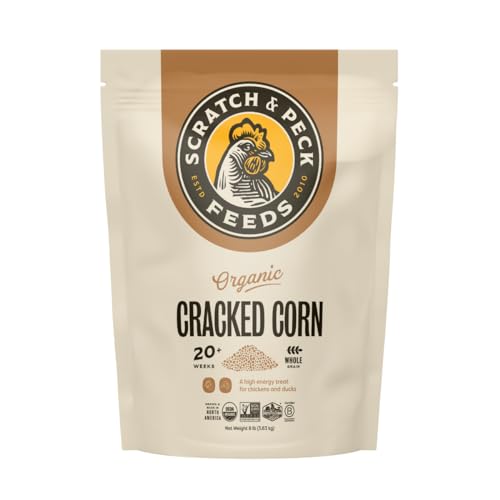
Delicious and Nutritious - Our cracked corn is an excellent source of carbohydrates for energy to help fend off cold weather. Add 1:10 ratio of Cracked Corn to Naturally Free Organic Layer to boost carbohydrates during winter months.
How to Store Cracked Corn and Keep It Fresh
To keep cracked corn fresh, storing it in a cool, dry place with humidity below 65 percent is essential. Avoid garages or damp sheds because temperature fluctuations can cause condensation and spoilage. Transfer opened bags into airtight containers to prevent exposure to air and moisture. For long-term storage, sealed mylar bags with oxygen absorbers inside a rigid bin are ideal. If you lack these, tightly reclose the original packaging and minimize how often you open it. Consider building a mobile chicken coop to easily move feed storage closer to your birds while protecting it from the elements. Unlike Diatomaceous Earth, cracked corn is more prone to spoilage from moisture and requires careful monitoring for pests.
Pest prevention begins with sealed packaging that blocks insects and rodents. Check stored corn weekly, especially in warm weather, for webbing, beetles, or dust. Immediately separate any infested corn to prevent spread. Keep the storage area clean by removing spilled grain regularly. Only store thoroughly dried cracked corn at moisture levels of 12 to 14 percent or lower, since cracked kernels absorb moisture faster than whole kernels. Be alert for musty odors, clumping, or mold, and prioritize using older stock first. Discard any damp or damaged corn without hesitation to maintain quality.

Airtight Seal Technology – Hinged lid with silicone gasket creates an airtight seal to keep flour, sugar, rice, and other dry goods fresh longer while preventing moisture and pests

Contains (1) ProKeeper Cereal Keeper, BPA-Free Plastic, 3-Quart, Airtight Seal. Perfect as a holiday gift!

Material: This corn shaped food container is made of high-quality ceramics, with a smooth and glossy surface. Ceramic materials give it a strong and elegant feel, making it suitable as a storage container or desktop decoration at home. It should be noted that ceramics are fragile products, you need to be careful in the use of the process to avoid collision resulting in breakage