

If your hens are losing feathers or getting injured from rooster mating, you might wonder how to protect her back. A chicken saddle is a simple garment designed to shield her from scratches, wounds, and friction. Properly fitted, it offers support and helps wounds heal faster.
Keep reading to learn how to choose the right saddle for your hen.
Why Your Hen Needs a Chicken Saddle (And How It Works)
A chicken saddle acts as a protective barrier for your hen’s back, shielding her from a rooster’s claws, spurs, and treading pressure during mating. Without one, repeated mating can cause significant damage to her feathers and skin. The saddle fits over her back, secured by elastic straps around her wings, creating a barrier that blocks contact and protects her feathers. This fabric covering prevents further feather loss while new feathers grow back, reducing her risk of injury. When an active rooster mounts her, you’ll notice fewer skin abrasions and bare patches. By preventing the harmful effects of frequent mating, the saddle allows your hen to stay comfortable in the flock without constant separation. Understanding proper nutrition for young poultry, such as ensuring dried mealworms are fed only as occasional treats, supports overall feather health and recovery. It’s a practical, temporary solution for managing breeding pressure in your coop. If you are looking to save money, you can also consider DIY pine shavings as a cost-effective bedding alternative for your coop. Building your own feed bin with common materials like plywood and galvanized hinges can further reduce coop expenses while keeping feed dry and rodent-free.
5 Signs Your Hen Needs a Chicken Saddle Right Now
If your hen is missing feathers on her back, shoulders, or neck, she needs a chicken saddle immediately. Feather loss in these areas is a clear sign of damage from rooster behavior. You’ll see pink or red skin where feathers should be, indicating her natural protective barrier has been compromised. Look closely for abrasions, cuts, or open sores, which require coverage to prevent infection. If her rooster targets her repeatedly, she’s at risk of losing feathers quickly due to aggressive mating. Observe her behavior—if she avoids the rooster, runs away, or pecks at sore areas, she is experiencing pain and stress. Addressing feather loss early with a saddle can prevent wounds from worsening and protect her from further injury. For prolonged protection, you can pair the saddle with top chicken toys for coop enrichment to reduce stress and boredom. To ensure the saddle fits securely without slipping, consider techniques from proper hardware cloth tension used in coop repair projects. For healthy egg production during recovery, an incubator with precise temperature control ensures consistent hatch rates for your flock.

Comfortable Material: This hen apron is made of canvas fabric, breathable and washable, which is light with little pressure on your chicken’s feathers, can make it used longer and fit the back of the hen better and fit most breeds of hens

【Ample Quantity & Perfect Size】The package includes 9 chicken saddle aprons with different patterns, each meticulously stitched, providing ample quantity for your usage and replacement needs. Sized at 9.1×9.2", these aprons perfectly cover the chicken's back for comprehensive protection.

Package Content: You will receive 3 pieces of chicken saddle for hens, each carefully sewn for durability. Easy to match, so the hen feels and looks pretty
3 Ways a Chicken Saddle Protects Skin and Heals Wounds
A chicken saddle effectively protects skin and helps wounds heal by reducing friction and abrasion. It specifically guards against injuries caused by rooster treading, which can create deep back wounds. By minimizing mechanical irritation, the saddle prevents small scratches from turning into larger, infected lesions. This support helps wounds heal faster and reduces ongoing trauma. Investing in a durable chicken coop with run provides a safe environment that minimizes overall stress and injury risk for your flock.
The saddle also promotes behavior modification among flock mates. It prevents pecking at scabs or exposed skin, breaking the cycle of further injury. While it doesn’t replace proper wound treatment, the saddle keeps the affected area shielded, allowing topical remedies to work more efficiently. Overall, it provides a crucial layer of protection that supports quicker recovery and lessens stress on the bird.
How to Properly Fit a Chicken Saddle on Your Hen
To properly fit a chicken saddle, start by taking two key measurements before selecting a saddle. Measure across her back from wing to wing for width, and from the base of her neck to the base of her tail for length. These measurements ensure the saddle provides full coverage without being too tight or too loose. Once you have the measurements, select a saddle with durable material that can withstand long-term use and repeated adjustments.
Center the saddle between her wings, keeping it flat to prevent bunching. Slip each wing through the openings, then adjust the straps so they are snug but not tight—you should be able to fit a finger comfortably under each strap. Durable material is important here; a tough fabric helps prevent tearing during adjustment. Use straps with adjustable features to allow for a secure fit that can be easily tightened or loosened as needed.
After fitting, observe how she moves. She should walk, turn, and flap her wings without restriction. Watch for signs of rubbing or fidgeting, and recheck the fit after she wears it briefly, as settling can shift the saddle’s position. Regular inspections are necessary, especially after feather growth or molts, to ensure the saddle continues to fit properly and doesn’t cause discomfort.

PACKAGE CONTENT - You will receive 6 pieces of different print hen saddles, the bottom of the apron is designed with ruffles with a delicate bow. Easy to match, so the hen feels and looks pretty

HEN SADDLE PROTECTOR: These chicken feather protectors are designed to provide great protection on the back and sides, effectively safeguarding your hens from feather plucking, pecking, or scratches. The ultimate protective shield to keep your chicken safe and secure! Protect your hens from potential harm and ensure they thrive in a protective and comfortable environment!

HEN SADDLE PROTECTOR: These chicken feather protectors are designed to provide great protection on the back and sides, effectively safeguarding your hens from feather plucking, pecking, or scratches. The ultimate protective shield to keep your chicken safe and secure! Protect your hens from potential harm and ensure they thrive in a protective and comfortable environment!
What to Look for When Buying a Chicken Saddle (Care Tips Inside)
Choose a saddle that fits precisely to prevent slipping or discomfort. Measure your hen’s back length and width accurately with a flexible ruler or tape measure. The saddle should cover her back without blocking the preening gland, which is essential for her comfort and health. Look for adjustable closures—such as straps with hook-and-loop fasteners, snaps, or buckles—that allow you to fine-tune the fit. A saddle that is too large can slip off during movement, while one too small may cause chafing and restrict movement. Secure stitching, along with sturdy snaps or zippers, ensures the saddle stays in place through daily activity. Regularly inspect the saddle for signs of wear, including fraying or stretched straps. Cloth saddles should be washed routinely, while leather ones benefit from conditioning and should be stored in a dry place. Replace any saddle showing significant wear within a few months to keep your hen protected. Always choose products from reputable sellers with positive reviews for added peace of mind. For hens kept near feeding areas, consider how cracked corn portions can attract wild birds that may carry mites or lice. If your chicken tractor is often moved across uneven terrain, durable wheel design is equally important for stable and easy transport. A forced air incubator, unlike a saddle, provides consistent temperature control essential for egg development.

Protect Hens from Rooster Mating: Designed as a chicken saddle for hens, this back protector helps reduce feather loss, scratches and pecking damage caused by rooster mating
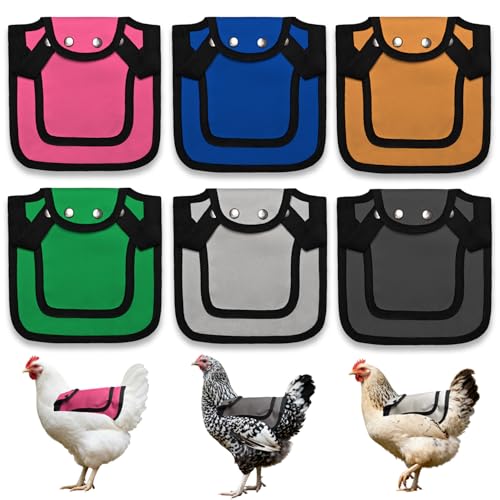
Hen Feather Protectors: These chicken back protectors provide excellent back and side protection, effectively preventing hens from being scratched, pecked and plucked. Let your chickens grow up safely and comfortably in their flock!

Hen Saddle Protector: This chicken saddles for hens offers great protection for hens' backs and sides, effectively preventing pecking, plucking, and scratches.The chicken saddles act as the ultimate shield to keep your hens safe and secure! Safeguard your chickens from potential harm and ensure they thrive in a comfortable and stress-free environment